Moscow Suffers Internet Blackouts Amid State Fear
Mobile internet shutdowns in Moscow signal growing fear within the Kremlin, damaging the capital's image as a symbol of prosperity. These disruptions suggest the Russian government is acting out of anxiety, not a clear security strategy, as it faces economic pressure and the ongoing war.

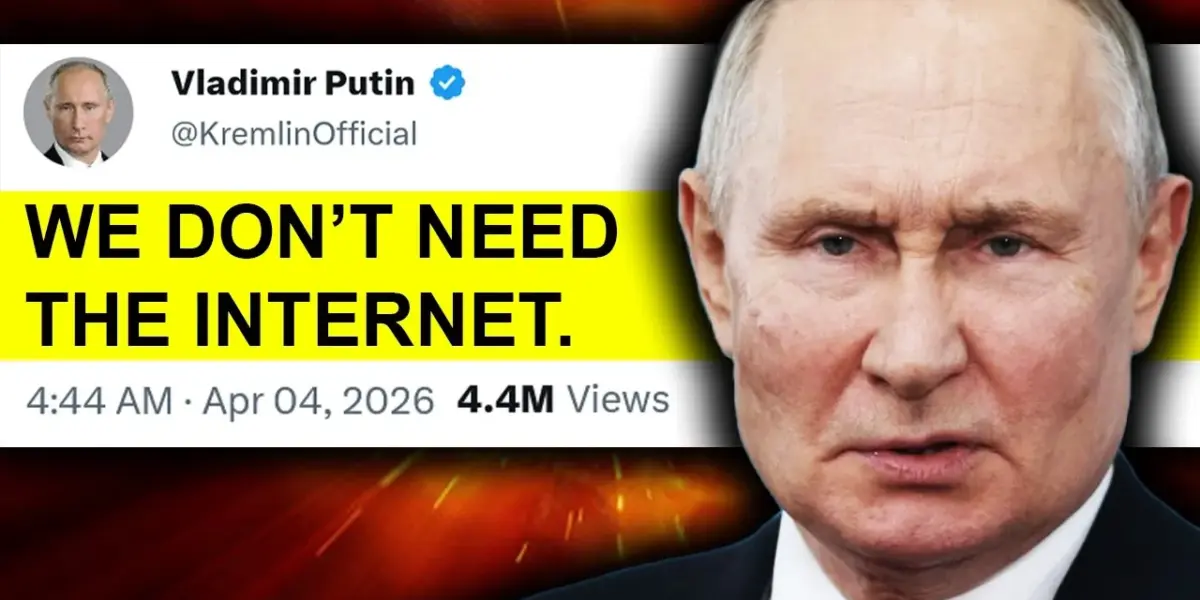
Moscow Suffers Internet Blackouts Amid State Fear
Recent mobile internet shutdowns in Moscow, Russia’s capital, signal a significant shift. These disruptions, occurring in a city long treated as separate from national hardships, suggest the Kremlin fears internal instability. The move damages Moscow’s image as a symbol of prosperity and control.
Moscow: The Kremlin’s Showcase City
For years, Moscow has been meticulously maintained as a demonstration project. Even during Soviet times, the capital enjoyed better access to goods and services than other regions. Under Mayor Sergey Sobyanin, extensive urban improvements, like sidewalk replacements and subway upgrades, aimed to project an image of a functioning, modern society.
This effort created a stark contrast. Moscow’s median salary is nearly double that of many Russian regions. The city was intended to feel normal and detached from the country’s broader economic challenges. During the war in Ukraine, Moscow maintained this facade with full restaurants and readily available luxury goods.
The government prioritized Moscow’s comfort and stability. When fears of mobilization arose, the mayor reassured residents, highlighting the capital’s special political protection. This protection made the current internet shutdowns particularly noteworthy.
Official Explanations vs. Reality
The official reason for the internet shutdowns is security. However, this explanation appears unconvincing. Moscow is not experiencing widespread unrest or visible emergencies. The city is already heavily monitored with extensive surveillance infrastructure.
These measures are more disruptive than those implemented during Yevgeny Prigozhin’s mutiny three years ago. At that time, the regime faced a genuine internal shock, yet imposed fewer restrictions. The current shutdowns, occurring without a comparable crisis, suggest the authorities are acting out of fear rather than clear-headed strategy.
Some suggest these actions are rehearsals for future digital controls, perhaps ahead of the 2026 general election. However, testing such measures in the capital, rather than more distant regions, indicates unusual nervousness. Furthermore, a recent Ukrainian drone attack on a defense industry facility in Bryansk, recorded by the drone itself, highlights the limitations of these restrictions.
Shutting down civilian mobile internet did not prevent this attack. It also does not stop other strategic strikes. This contradiction undermines the claim of enhanced security. Instead of projecting strength, the state appears confused, inconveniencing citizens without demonstrating effective control over real threats.
Strategic Implications: Panic and Control
The internet shutdowns suggest a system acting on anxiety rather than a clear security plan. Facing economic pressure and the ongoing war, the government is resorting to familiar tactics of restriction and control. These actions may be intended to project decisiveness, even if they lack tangible results.
The Russian economy is under significant strain. Even Moscow authorities have begun cutting costs, a symbolically important development. The city was meant to be insulated from such measures, preserving an illusion of prosperity.
The upcoming 2026 general election adds another layer of pressure. While not open competitions, these elections are stressful for elites, raising concerns about loyalty and public mood. Continuous Ukrainian strikes also signal that danger is approaching the center, unsettling both the public and the bureaucracy.
Security agencies may be expanding controls to prove their usefulness to superiors, resorting to familiar crackdowns. These actions, while reportable as decisive measures, may not address the actual threats. The situation appears less like a deliberate policy and more like a nervous reflex.
The Symbolic Significance of Disruption
The deepest impact of these shutdowns is symbolic. Moscow has long served as the Kremlin’s strongest argument for its own competence. It represented a functioning center, separate from national decline.
This myth was crucial during the war, allowing the government to maintain the impression that conflict, sanctions, and economic hardship were manageable and distant. For many, the performance of normal life in Moscow was persuasive. People often judge political reality by the functionality of their daily routines.
When the state disrupts these routines, the meaning shifts. The regime is no longer just seeking obedience; it is signaling that comfort in Moscow is not guaranteed. This breaks an unwritten bargain where citizens remained passive in exchange for a comfortable lifestyle, separate from national problems.
The evidence of this separation is shrinking. The authorities may no longer be confident in preserving the old divide between Moscow and the rest of the country. They may be struggling to manage the war, economy, elections, and growing security fears while protecting their showcase capital.
When Muscovites experience daily inconvenience, the regime loses a powerful tool. Comfort in Moscow was never just about convenience; it was about insulation, sedation, and depoliticization. While this does not guarantee immediate upheaval, it reveals a system willing to visibly interfere without clear results or explanations.
The combination of visible control and visible ineffectiveness is corrosive to rigid political systems. In trying to prove control, the regime may be exposing its fear and inability to protect its most privileged city from the consequences it helped normalize elsewhere.
Conclusion: A System Revealing Weakness
The internet shutdowns are a symptom of a larger issue. The Kremlin’s old model relied on maintaining an appearance of effortless normality in Moscow at almost any cost. Now, the system is damaging its own polished showroom under the guise of security, without proving the effectiveness of these measures.
This reveals how authoritarian systems expose weakness not through a single disaster, but through contradictions. Attempts to appear stronger reveal fear, attempts to reassure create unease, and attempts to control everything highlight a failure to preserve the old bargain offered to its most privileged city.
Source: Putin CUTS INTERNET in Moscow if Fear of MILITARY COUP. (YouTube)

Related Articles


Ukraine Deploys AWACS, Bolstering Air Defense Against Russia
Ukraine has reportedly deployed its new Swedish-made AWACS aircraft, significantly enhancing its air defense capabilities. The Saab 340 AEW&C provides crucial early warning and tracking, particularly against Russia's glide bomb attacks. While facing operational limitations, the aircraft offers a vital tactical advantage by improving situational awareness and disrupting enemy strike planning.


US Eyes Belarus in Risky Geopolitical Shift
The U.S. is exploring renewed diplomatic ties with Belarus, a close ally of Russia and enabler of its war in Ukraine. This strategic gamble aims to create leverage but risks legitimizing an authoritarian regime and potentially strengthening Moscow.


Russia’s Donbas Ultimatum Tests Ukraine’s Resolve
Russia has issued a two-month ultimatum for Ukraine to withdraw troops from Donbas, threatening further action if Kyiv refuses. Experts question Moscow's capability and credibility, highlighting Ukraine's growing drone warfare prowess and the need for sustained military strength. The demand underscores the critical juncture facing Ukraine amidst shifting geopolitical alliances and global economic pressures.