Morgan Freeman on Trump: ‘How Can a Convicted Felon Lead?’
Renowned actor Morgan Freeman has publicly questioned how a convicted felon can possibly lead the United States. He expressed bewilderment at the legal and political ramifications of a candidate with 34 felony convictions potentially holding the highest office. Freeman's remarks highlight a broader national debate on accountability and fitness for leadership.

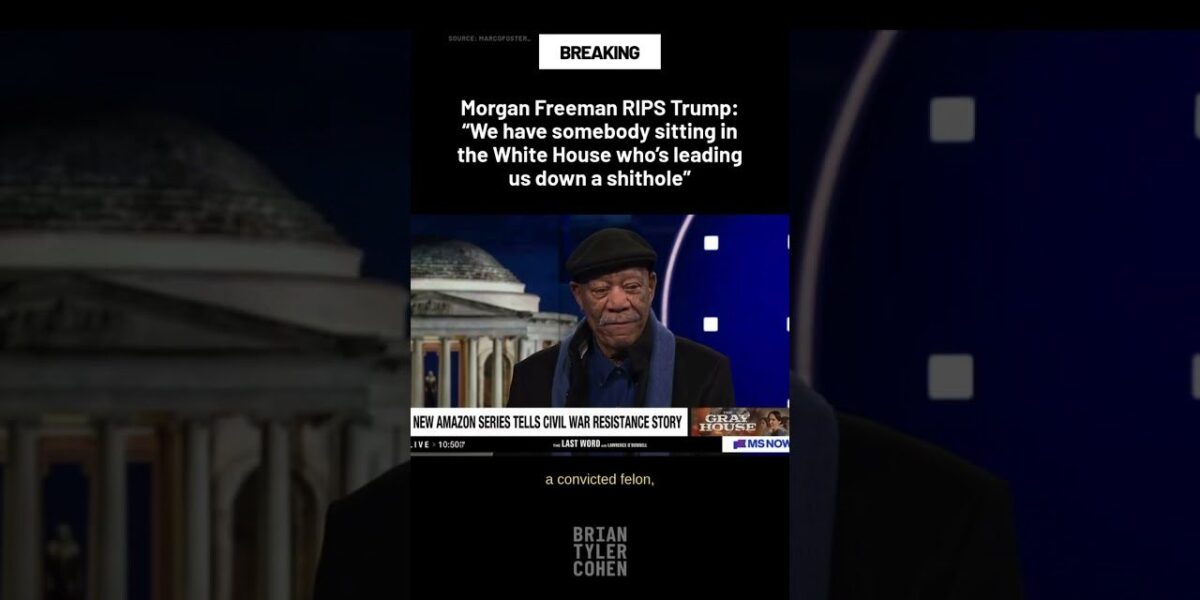
Morgan Freeman Questions Trump’s Presidency After Felony Conviction
Renowned actor Morgan Freeman has publicly expressed his bewilderment and strong disapproval regarding the possibility of a convicted felon holding the office of President of the United States. In a recent statement, Freeman directly addressed the unprecedented situation, questioning the fundamental principles of leadership and justice that would allow such an individual to lead the nation. His remarks come in the wake of a significant legal judgment against a prominent political figure, raising profound questions about the integrity of the electoral process and the qualifications for the highest office in the land.
The Unprecedented Legal Landscape
Freeman’s core concern centers on the legal status of a candidate who has been convicted of multiple felonies. He articulated his confusion, stating, “We have somebody sitting in the White House who’s leading us down a hole. I can’t personally understand how a convicted felon, convicted 34 felon, felonious, counts of wrongdoing, gets to be president. How do you do that?” The actor emphasized that the legal ruling predated any potential assumption of presidential duties, highlighting the perceived incongruity of a leader with such a criminal record.
“I can’t personally understand how a convicted felon, convicted 34 felon, felonious, counts of wrongdoing, gets to be president. How do you do that?”
Challenging the Narrative of Inevitability
The actor pushed back against any notion that such a scenario is acceptable or inevitable. When confronted with potential justifications, such as a candidate’s perceived popularity or campaign rhetoric, Freeman remained resolute. “You say, ‘Well, he was camp. I don’t care.’ That ruling went down before he stepped into the Oval Office. So it just doesn’t make sense to me,” he asserted. This statement underscores a belief that legal culpability should serve as a disqualifier, irrespective of political considerations or public sentiment.
Broader Implications for American Democracy
Freeman’s comments tap into a larger national conversation about the standards of accountability and the definition of fitness for public office. The legal proceedings against former President Donald Trump, which resulted in 34 felony convictions related to falsifying business records, have presented a unique challenge to the American legal and political systems. Historically, such a conviction would likely have rendered a candidate unelectable. However, the current political climate and the specific circumstances surrounding the case have created a deeply divided public opinion.
Critics argue that allowing a convicted felon to hold the presidency would erode the rule of law and set a dangerous precedent, potentially signaling that legal accountability does not apply to those in power. They emphasize the importance of integrity, trust, and adherence to legal statutes as fundamental requirements for the nation’s highest executive position. The symbolic weight of the presidency, they contend, demands a leader who embodies respect for the law, not one who has been found guilty of breaking it.
Conversely, supporters of the candidate often frame the legal challenges as politically motivated witch hunts, designed to undermine his campaign. They may argue that the charges are minor or that the legal process itself is flawed. Some believe that the candidate’s policy positions and perceived strength outweigh his legal entanglements. This perspective suggests that the will of the voters, as expressed through elections, should ultimately determine leadership, even in the face of legal judgments.
The Role of Public Figures in Political Discourse
The intervention of prominent figures like Morgan Freeman in political discourse is not uncommon, particularly during highly charged election cycles. Celebrities and public intellectuals often use their platforms to voice opinions, influence public perception, and encourage civic engagement. Freeman, known for his thoughtful and often profound roles, brings a gravitas to his pronouncements that resonates with a significant portion of the public. His questioning of the current political and legal landscape serves as a stark reminder of the ethical and moral considerations at play in the selection of national leaders.
His statement, while brief, cuts to the heart of a complex issue: the intersection of law, politics, and public trust. The very idea that a candidate with a felony conviction could potentially lead the country challenges deeply ingrained notions of justice and governance. It forces citizens to confront difficult questions about what qualities they prioritize in a leader and what compromises, if any, they are willing to make.
Looking Ahead: What’s Next?
As the political landscape continues to evolve, the questions raised by Morgan Freeman will likely remain at the forefront of public debate. The upcoming electoral period will be a critical test of how the American electorate grapples with the unprecedented circumstances of a candidate facing felony convictions. Observers will be watching closely to see how this legal status impacts voter decisions, campaign strategies, and the broader discourse surrounding the integrity of the democratic process. The nation’s response to this unique challenge will undoubtedly shape future discussions about leadership, accountability, and the foundational principles of American governance.
Source: WOW: Morgan Freeman speaks out, RIPS TRUMP (YouTube)

Related Articles
Trump Open to Iran Talks After Attacks, Shifts on Regime Change
President Trump has agreed to negotiate with Iran's new leadership following recent U.S. and Israeli attacks, signaling a potential shift from his regime change objective. The move has drawn scrutiny from former officials who question the strategic coherence of U.S. policy.
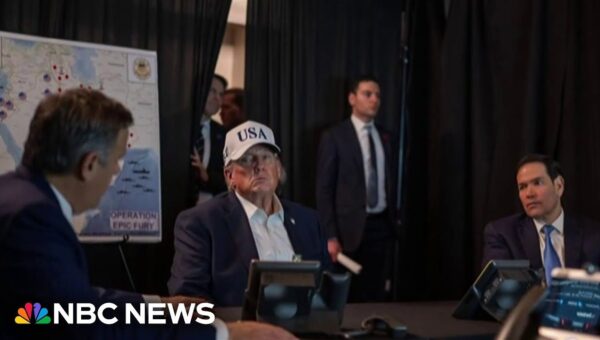
Trump: Iran Strikes Ahead of Schedule, Expects ‘Great Deal for World’
Three U.S. service members have been killed amid escalating conflict with Iran, President Trump confirmed. He stated that strikes are ahead of schedule, with senior Iranian leaders killed, and expressed optimism for a "great deal for the world" despite ongoing talks with Iranian officials.
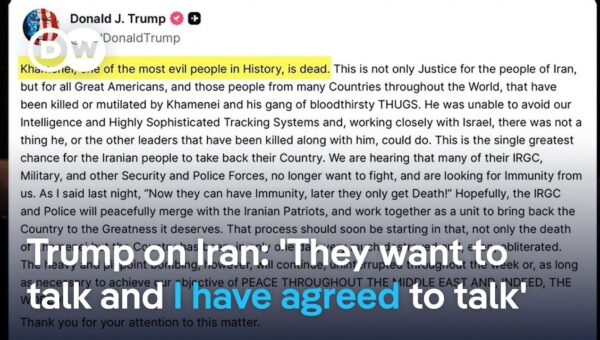
Trump Agrees to Talks with Iran After Major Strikes
President Donald Trump has agreed to talks with Iran's leadership following coordinated strikes that reportedly killed key figures, including the Supreme Leader. While Trump claims significant military successes, U.S. strategy remains unclear, and public opinion shows limited support for the actions amid rising American casualties.