Moon Race Ignites New Space Age Competition
Humankind is returning to the Moon after a 50-year absence with NASA's Artemis program. This renewed focus on lunar exploration signals a new era of global competition and cooperation in space. The stakes involve scientific discovery, resource control, and technological advancement.

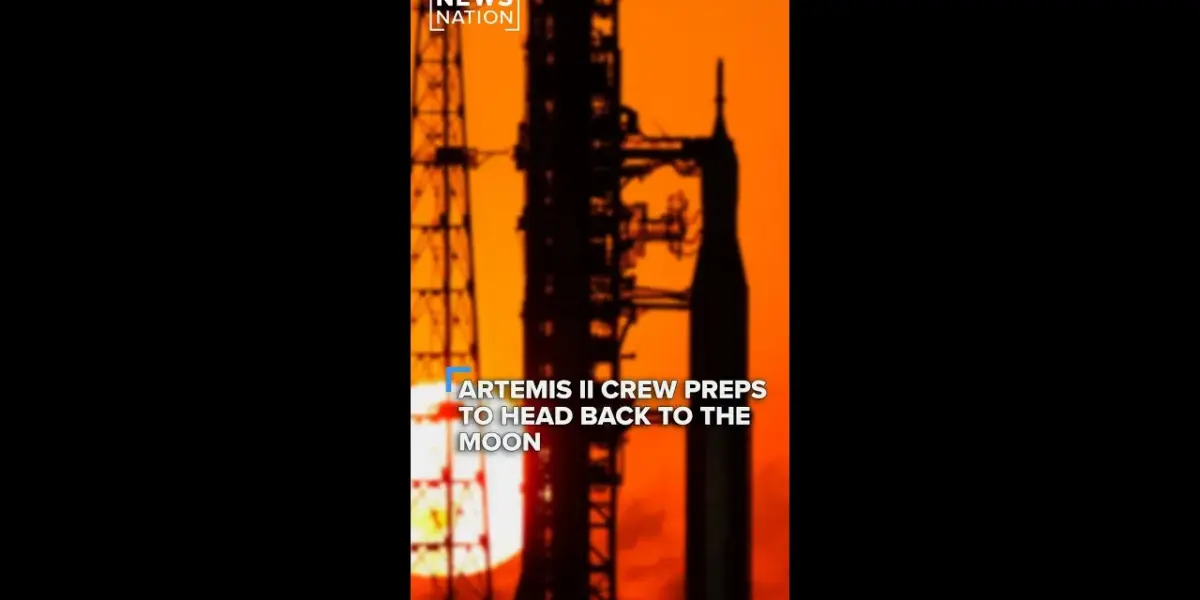
Moon Race Ignites New Space Age Competition
Humankind is heading back to the Moon after a 50-year break. NASA’s Artemis program marks a major return to lunar exploration. This isn’t just about planting a flag. It’s the start of a new era for space, with big goals and new players.
A New Chapter for Space Exploration
The recent launch of the space shuttle Endeavor signals a renewed focus on deep space missions. After years spent building and maintaining the International Space Station (ISS), NASA is ready for its next big challenge. The ISS proved we can live and work in space for long periods. Now, the plan is to build a similar base on the Moon. This lunar base would be a place where astronauts live, learn, and work regularly. It’s like building a new research station, but on another world.
Why Go Back to the Moon?
The return to the Moon is more than just scientific curiosity. It represents a strategic move for nations involved in space. For NASA, it’s about regaining leadership in space exploration and pushing technological boundaries. The Artemis program aims to establish a long-term human presence on the Moon. This presence could lead to new discoveries about our solar system and potentially unlock valuable resources.
Global Interests and Rivalries
While NASA leads the Artemis missions, other countries and private companies are also making significant moves in space. China has its own ambitious lunar program, with plans for a research station. Russia, though facing challenges, also has historical ties to space exploration. The United States and its allies are working together through the Artemis Accords, a set of principles for lunar exploration. However, the growing number of actors means potential for both cooperation and competition.
Economic and Strategic Stakes
Space exploration is no longer just about science and national pride. It has significant economic and strategic implications. The Moon may hold resources like water ice, which can be used for fuel and life support. Controlling access to these resources could become very important. Furthermore, developing advanced space technology can have civilian applications, boosting economies and creating jobs. The race to the Moon is also a race for technological dominance.
Historical Echoes of a Space Race
This new push for the Moon brings to mind the original Space Race between the United States and the Soviet Union during the Cold War. That competition drove incredible innovation and led to the first Moon landing. Today’s situation is different, with more countries and private companies involved. However, the underlying drive for prestige, technological advantage, and strategic positioning remains similar. The lessons learned from the past are crucial for navigating the future of space exploration.
Looking Ahead: Cooperation or Conflict?
The future of lunar exploration could go in several directions. There’s potential for international cooperation, with nations sharing the costs and benefits of exploration. The Artemis Accords are a step in this direction. However, competition for resources and strategic advantage could also lead to increased tensions. The involvement of private companies adds another layer of complexity, as commercial interests may not always align with national goals. How these different interests are managed will shape the next chapter of humanity’s journey beyond Earth.
Global Impact: Why This Reshapes the World Order
The renewed focus on lunar exploration signals a shift in global priorities. It suggests that major powers are investing heavily in long-term, ambitious projects beyond Earth. This could lead to new alliances and rivalries forming around space capabilities. The development of technologies for lunar bases could also have spin-off benefits for life on Earth, from advanced materials to communication systems. Ultimately, this new space age could redefine national power and international cooperation for decades to come.
Source: ‘Space is cool again,’ Ret. NASA astronaut | NewsNation (YouTube)

Related Articles


Gulf Allies Urge Trump to Continue Iran Conflict
U.S. allies in the Persian Gulf are urging President Trump to intensify military action against Iran, believing Tehran has not been sufficiently weakened. The ongoing conflict raises concerns about regional stability and global energy prices, while questions linger about the administration's long-term strategy.


Middle East Conflict Sends Gas Prices Soaring Past $4
The national average gas price has surpassed $4 per gallon for the first time since 2022, driven by escalating conflict in the Middle East. Recent attacks on oil tankers and military strikes have heightened fears of energy supply disruptions, impacting consumers globally.
US Weighs Troop Deployment Amid Iran Deal Push
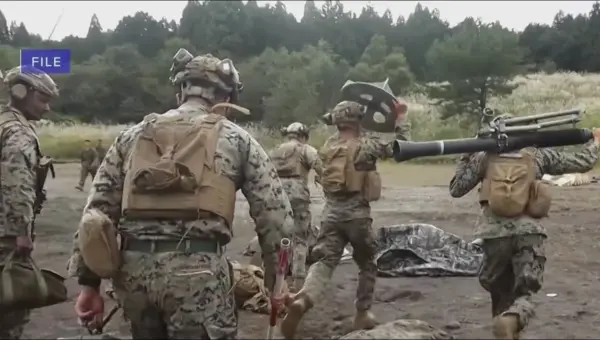
The U.S. is considering deploying ground troops to Iran while simultaneously pushing for a diplomatic deal to reopen the Strait of Hormuz. Air strikes are ongoing as President Trump increases pressure on Iran.