Monkey’s New Friend: Beyond the Plush Toy Mother
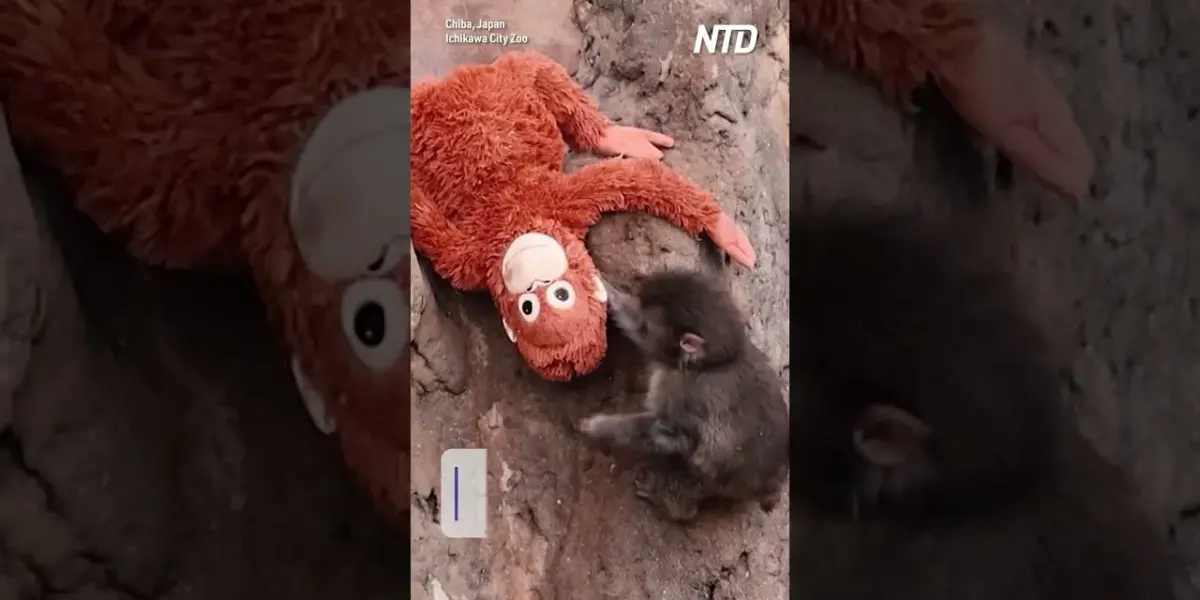
Viral internet star Punch the monkey is now relying less on his famous plush-toy ‘mother’ after making a new, flesh-and-bones best friend. This development shifts the narrative from a solitary animal interacting with an inanimate object to one engaging with another living being, raising questions about animal well-being and companionship.

Monkey’s New Friend: Beyond the Plush Toy Mother
Punch the monkey, a familiar face to many online, is stepping away from his well-known plush toy companion. For a long time, this stuffed animal served as Punch’s ‘mother’ in viral videos. Now, the popular primate has found a new, living best friend, marking a significant change in his online persona and perhaps his daily life.
This development shifts the narrative from a solitary animal interacting with an inanimate object to one engaging with another living being. It raises questions about animal well-being, the nature of companionship, and how we interpret animal behavior through the lens of human relationships.
A Shift from Stuffed to Living
Punch gained internet fame through videos featuring him with a plush toy. This toy was presented as his mother, a concept that resonated with many viewers. The dynamic was simple: a monkey and his comforting, unchanging plush friend. This setup allowed for predictable, often heartwarming, content that appealed to a broad audience.
However, the introduction of a real friend changes this dynamic entirely. It suggests Punch is capable of and perhaps seeking social interaction beyond what a toy can offer. This move from a simulated relationship to a genuine one is a notable step.
Understanding Animal Companionship
Animals, especially primates, are highly social creatures. They often form strong bonds with others of their kind or even with humans and other animals. These bonds are crucial for their emotional and social development. Relying solely on an inanimate object for comfort might indicate a lack of social outlets or a specific training method.
The appearance of a new, living friend suggests that Punch might be experiencing a more natural form of social interaction. This could involve play, grooming, or simply mutual presence, all vital components of social well-being for many animals. It’s like a child moving from playing with dolls to making friends at school; both are forms of interaction, but one is far more complex and enriching.
Why This Matters
This story, though seemingly simple, touches on important themes. It highlights how we perceive and present animal lives online. The initial narrative of Punch and his plush mother was a comforting story for viewers. The introduction of a real friend adds another layer, perhaps a more complex and realistic one.
It also prompts us to consider what constitutes genuine companionship for animals. Is a consistent, predictable interaction with a toy enough, or is the dynamic social exchange with another living being essential? This shift encourages a deeper look at animal welfare and the ways we foster it, whether in captivity or through online portrayals.
Implications and Future Outlook
The future for Punch likely involves more varied social interactions. If this new friend is another animal, it could lead to more dynamic and less predictable content. This might appeal to a different segment of the audience or deepen engagement with the existing one.
For those who create and share animal content, this event serves as a reminder of the importance of authentic animal behavior and well-being. Presenting animals in ways that reflect their natural social needs can be more rewarding, both for the animals and for the audience.
Historical Context
The concept of anthropomorphism—attributing human characteristics to animals—is not new. We have long projected human emotions and relationships onto animals, from pets at home to animals in stories and media. The portrayal of Punch with his plush mother fits this pattern. It allowed viewers to see a familiar human dynamic—a child with a mother figure—in an animal context.
As our understanding of animal behavior and cognition grows, so does our ability to recognize and value their natural social structures. This shift in Punch’s life reflects a broader cultural movement towards appreciating animals not just as characters in our stories, but as complex beings with their own needs and social lives.
Ultimately, Punch’s transition from a plush companion to a living friend offers a glimpse into the evolving ways we connect with and understand the animal kingdom, both online and off.
Source: Punch the Monkey Finally Finds a ‘Real’ Best Friend (YouTube)

Related Articles

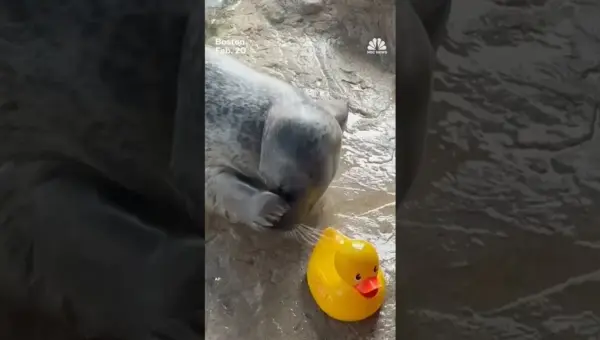
Seal’s Adorable Duck Toy Friendship Captivates Online
A viral video showcases a harbor seal's heartwarming bond with a rubber ducky, captivating millions online. The playful interaction highlights the intelligence and curiosity of marine mammals, offering a moment of joy in the digital sphere.


Noem’s Dog Killing: A Crisis of Leadership and Morality
South Dakota Governor Kristi Noem faces intense scrutiny after detailing the killing of her dog in her memoir. Critics, including a Republican Senator, argue the act reveals a profound leadership failure and questionable moral judgment, sparking a national debate on accountability and animal welfare.


LaGuardia Runway Reopens After Deadly Crash, Safety Lapses Exposed
LaGuardia Airport's main runway has reopened after a fatal crash involving an Air Canada Express jet and a fire truck. The incident, which killed two pilots, exposed critical failures in airport safety systems, including ground surveillance and transponder use.