Modern Classics: Your Next Investment Vehicle?
Explore the exciting world of car investment, where modern classics and performance vehicles are appreciating at impressive rates. Discover how fractional ownership makes high-value cars accessible and whether they can outperform traditional investments.

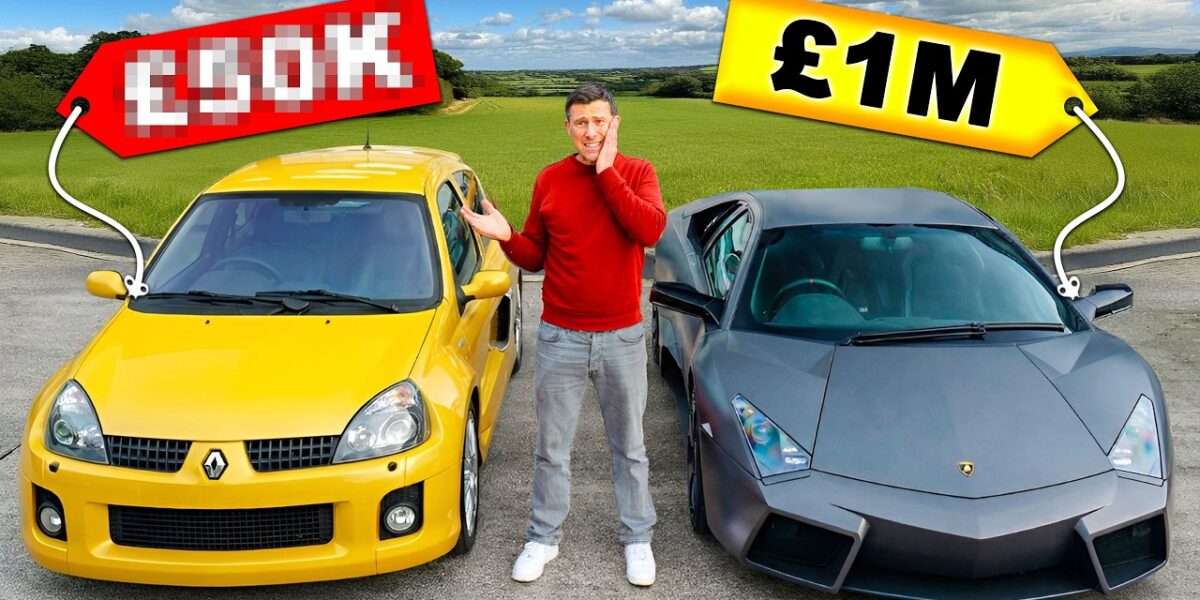
Modern Classics: Your Next Investment Vehicle?
Forget stocks and shares, the real returns might be hiding in your garage. We explore the burgeoning market of classic and performance car investment, revealing how even modest budgets can tap into a world previously reserved for the ultra-wealthy. From humble hot hatches to exotic supercars, we delve into which marques are appreciating, what factors drive value, and whether a vintage Ferrari could outperform your pension fund.
The Rise of Fractional Car Ownership
The idea of investing in cars is not new, but accessibility has always been a major hurdle. Traditionally, significant capital was required to even consider acquiring a classic or performance vehicle with genuine investment potential. However, companies like The Car Crowd are democratizing this market through fractional ownership. This model allows multiple investors to pool resources, enabling participation in high-value vehicles for a fraction of the cost. Imagine owning a piece of a Ferrari 550 for the same price as a budget-friendly used hatchback – that’s the paradigm shift.
Hot Hatches: The Accessible Appreciation Play
The entry point into car investment often begins with the humble hot hatch. Cars that were once everyday drivers, cherished for their performance and style, are now experiencing significant value appreciation. The Peugeot 205 GTI is a prime example. Once available for a few hundred pounds, pristine examples now command tens of thousands, with some setting world records. Similarly, the Ford Fiesta XR2i has seen its value nearly double in just two and a half years, turning a £12,000 purchase into a £25,000 asset.
Even less dramatic performers can offer solid returns. A Mini Cooper S John Cooper Works, despite not matching the explosive growth of others, still yielded a respectable sub-10% annualized return on a £10,000 investment. This demonstrates that even cars with less extreme performance can be sound investments, especially when acquired at the right price.
Performance Icons: Driving Up Value
Moving up the performance ladder, certain models stand out for their unique appeal and rarity. The Renault Clio V6, while known for its challenging driving dynamics, has proven to be a lucrative investment. One example saw an annualized return of 38% within just 10 months, transforming from a mid-£20,000 car to mid-£30,000s.
The automotive world’s fascination with limited production and track-focused variants is also a key driver. The Renaultsport R26R, a stripped-out, track-ready version of the Mégane, is a prime example. With only 230 ever made, its value has surged, with a good example now commanding between £35,000 and £60,000, representing an impressive 30-35% annualized return. This highlights how rarity, motorsport pedigree, and unique engineering can significantly boost investment potential.
The Allure of the Manual Supercar
In the supercar arena, a surprising trend is emerging: the resurgence of the manual gearbox. While automatic and dual-clutch transmissions have dominated for years, the last of their kind are becoming increasingly sought after by collectors. The Ferrari F430 manual is a case in point. As the last manual V8 Ferrari, its rarity (around 100 right-hand drive coupes in the UK) and unique status are driving appreciation. Having bought for £90,000-£110,000, these cars are now valued around £135,000, with projections of reaching £200,000, offering an estimated 10-15% annual return.
Similarly, the Audi R8 V10 manual, though not yet experiencing the explosive growth of some rivals, is poised for future appreciation. Its raw, unfiltered V10 engine and manual gearbox combination are rare, and as the last of its kind, it’s expected to see significant gains from its current £60,000 valuation.
High-Value Investments: Porsche and Beyond
At the upper echelons of the market, certain Porsches have become investment powerhouses. The original 996 GT3 RS, with its limited production run (682 units worldwide) and track-focused nature, has seen values climb from around £100,000-£120,000 five years ago to approximately £180,000-£200,000 today. A key factor driving this is the US market, where the car now qualifies for classic import status.
Even seemingly less obvious choices can yield results. The Mercedes-Benz SLS AMG, while not the sharpest driver’s car, boasts iconic gullwing doors and a powerful engine. Values have risen from around £130,000 to £160,000-£180,000 over three years, with expectations of further growth.
Due Diligence: The Key to Success
Investing in cars is not without its risks. Thorough due diligence is paramount. Utilising services like CarVertical to check for accident history, outstanding finance, and mileage discrepancies is crucial. Furthermore, AI-powered tools can scour social media and salvage auctions for hidden damage or undisclosed issues, as demonstrated by the F40 that had a prior undisclosed accident.
Maintenance is another critical factor. A skipped service can permanently impact a car’s value. Regular driving and mechanical checks are essential to maintain a car’s condition and history, which are vital for maximizing returns.
Value Proposition: Beating the Market?
Comparing car investments to traditional financial markets reveals a compelling picture. While the S&P 500 might offer higher raw returns (around 14.7% annualized), cars have a significant advantage: exemption from Capital Gains Tax. This means that profits made on appreciating vehicles are not subject to the hefty taxes levied on stocks and shares, effectively leveling the playing field.
The average annualized growth for The Car Crowd’s portfolio stands at 12.7%, outperforming traditional pension funds (9.6%) and the FTSE 100 (11.7%). This, coupled with the tax benefits and the inherent enjoyment of owning a piece of automotive history, makes car investment an increasingly attractive proposition.
Who is the Target Buyer?
The target buyer for car investment is diverse. It ranges from seasoned collectors with deep pockets to novice investors looking for tangible assets with potential for growth and enjoyment. The fractional ownership model lowers the barrier to entry, making it accessible to individuals with as little as £500 to £1,000 to invest. It appeals to those who appreciate the aesthetics, engineering, and heritage of automobiles, and who see them not just as depreciating assets but as potential wealth generators.
Verdict: A Niche, But Rewarding Investment
Investing in cars, particularly modern classics and performance models, presents a unique and potentially rewarding opportunity. While it requires careful research, diligent maintenance, and a keen eye for potential appreciation drivers like rarity, desirability, and unique features (such as manual gearboxes in supercars), the rewards can be substantial. The combination of potential capital growth, tax advantages, and the sheer pleasure of owning a piece of automotive art makes this a compelling alternative or supplement to traditional investment portfolios. For those with a passion for cars and a strategic investment mindset, the road to wealth might just be paved with performance metal.
Source: Investing in cars from £500 to £1 MILLION! (YouTube)

Related Articles

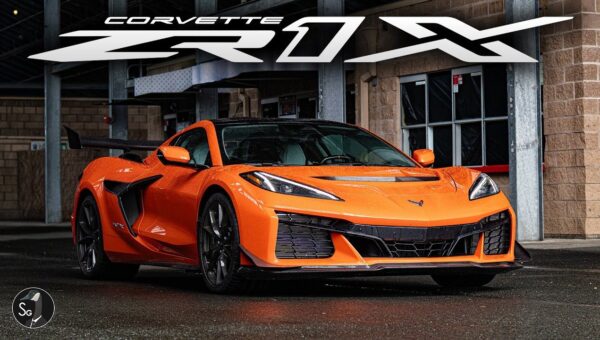
Corvette ZR1X: A Hybrid Hypercar Masterpiece
The Chevrolet Corvette C8 generation reaches its zenith with the ZR1X, a 1,250 horsepower hybrid hypercar. Boasting a 1.68-second 0-60 mph time and a bespoke Alcon braking system, it redefines supercar performance. This machine represents the culmination of meticulous planning and advanced engineering.

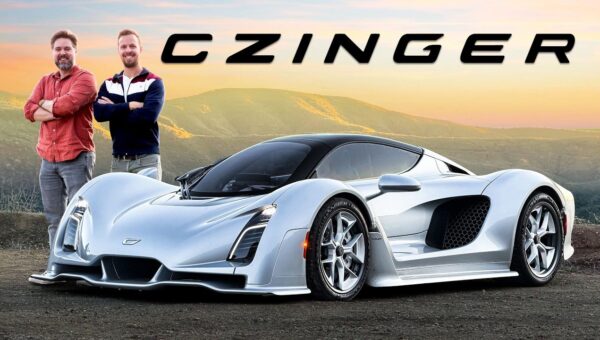
Czinger 21C: 3D-Printed Hypercar Rewrites the Rules
The Czinger 21C is a $2.3 million hypercar redefining automotive manufacturing with its extensive use of 3D-printed components. Boasting 1,250 horsepower and a 11,000 RPM redline, it delivers a visceral and boundary-pushing driving experience.

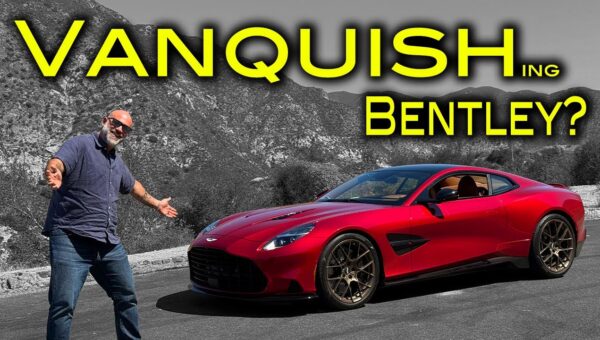
Aston Martin Vanquish: An 800HP V12 Driver’s Dream
The Aston Martin Vanquish returns with a mighty 838-hp twin-turbo V12, delivering a raw, driver-focused grand touring experience. Priced over $450,000, it prioritizes visceral performance, albeit with some technological quirks and a notable tendency to scrape.