Modern Cars Lose Soul to Tech, Simulators Feel Real
Modern cars are becoming so advanced with technology that they are losing their authentic driving feel. Engineers are working with complex electromechanical systems and software, making cars safer but often less engaging. Surprisingly, professional driving simulators are now better at replicating the real-world driving sensation than many new vehicles.

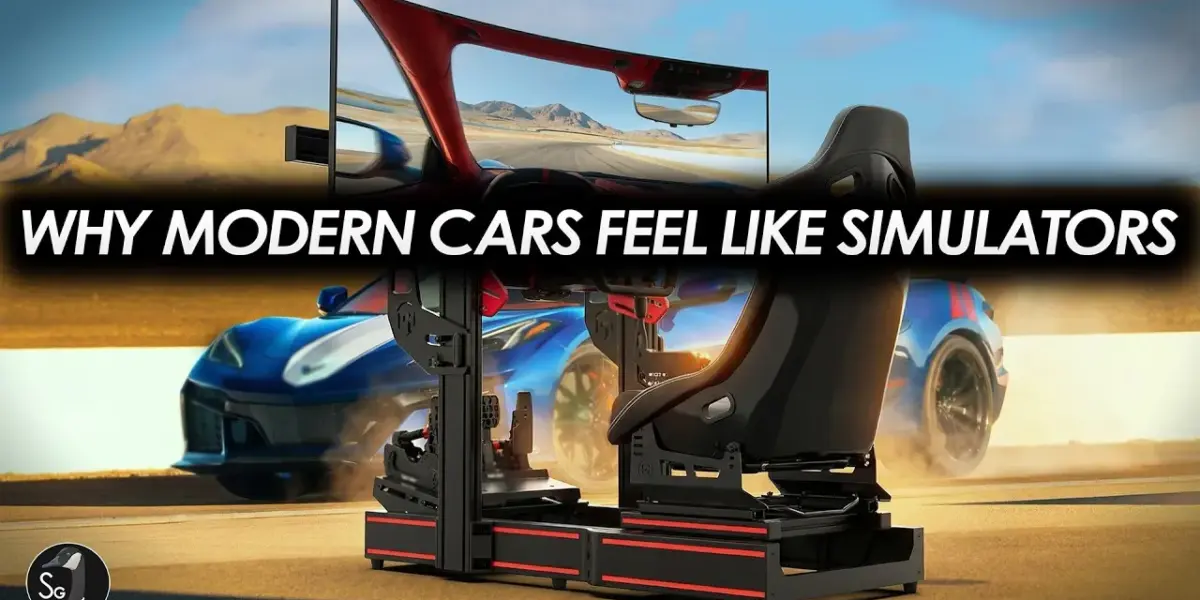
Modern Cars Lose Driving Soul to Technology
Many drivers today feel disconnected from their cars. New vehicles are packed with advanced technology. This makes them feel less like a direct extension of the driver and more like a sophisticated video game. The very systems designed to make cars safer and more advanced are paradoxically making them feel less engaging. This trend is so pronounced that professional driving simulators are now striving to replicate the feel of driving more accurately than many actual cars on the road.
The Tech That’s Changing Driving
Think back to older cars, like a 1998 Honda Civic. It had manual steering, crank windows, a manual transmission, and no anti-lock brakes (ABS). These were simple, mechanical systems. Today, cars combine these old mechanical parts with new electronic controls. This is called electromechanical systems. For example, a differential, which used to be purely mechanical, now often has electronic control. Steering and braking systems are also becoming ‘by wire,’ meaning they use electronic signals instead of direct mechanical links.
These systems require powerful computers, called ECUs, to manage everything. These computers control the steering, brakes, and throttle. They also enable advanced safety features. Things like lane-keeping assist and automatic emergency braking need these electronic systems to work. If a car needs to brake or steer itself to avoid a crash, it needs computers to do it instantly.
Fifteen years ago, cars didn’t have enough processing power for all this. Now, we also have rear-wheel steering, active suspension that adjusts the car’s ride height, and adaptive dampers that change how stiff the shocks are. All these systems must communicate instantly. This complexity is a major challenge for modern vehicle engineers.
Electric Cars and Faster Networks
Electric cars add another layer of complexity. Electric motors respond instantly, much faster than gasoline engines. This means electric cars need even quicker processing for all their systems. To handle this speed, many new cars are moving away from older communication systems, like CAN bus, which are slower. They are adopting Ethernet, a much faster network, to allow all these components to talk to each other more quickly. This faster communication is crucial for developing self-driving capabilities, especially for advanced autonomous driving levels.
Software is Key, But Affects Feel
Software plays a huge role in modern cars. Manufacturers use sophisticated software tools, sometimes even AI, to develop and test these systems. However, the feel of the car is heavily influenced by this software. Engineers try to make the driving experience natural, but the electronic controls can sometimes create a disconnect.
For instance, some drivers notice that brake-by-wire systems don’t always feel directly connected to the braking force. You might press the pedal, and it feels firm, but the car’s slowing power doesn’t perfectly match the pedal pressure. Similarly, steering systems can be adjusted to feel heavier or lighter, or even change how quickly the wheels turn based on how much you turn the steering wheel. These adjustments, while sometimes for safety or comfort, can make the car feel less predictable and harder to connect with.
This is why some enthusiasts miss the feel of older cars. A Mazda Miata, for example, offers direct feedback through the steering wheel and pedals. This connection to the road is often lost in newer, more electronically managed vehicles. Future generations of engineers, who may not have experienced these older, purely mechanical cars, might focus even more on modern tech, potentially losing that crucial driving feel.
The Connected Car: Blessing and Curse
Most new cars today are connected to the internet. This allows for over-the-air software updates, which can fix problems or improve features after the car has been sold. This flexibility is a big advantage for manufacturers. They can update car systems without requiring a physical recall. However, this constant connectivity and reliance on software also introduce new challenges and potential issues.
Simulators Mimic Real-World Feel
Interestingly, the world of driving simulators is advancing rapidly. Companies are using advanced simulators, often with engineers involved (‘driver-in-the-loop’), to develop new cars. These simulators can accurately model how different tires, suspension settings, and electronic systems will behave. They can even replicate the feel of brake actuation and pedal pressure.
Projects are underway using high-end simulation hardware, like SimCube’s active pedal systems, to precisely mimic the feel of real car pedals. These systems can be programmed to replicate the exact feel of a Porsche GT3’s brake pedal or a Honda Odyssey’s accelerator. This technology allows engineers and enthusiasts to test and understand car dynamics in a virtual environment that feels remarkably real. Powerful workstations, like those from Falcon PC with AMD Thread Ripper processors, are essential for running these complex simulations and handling the massive amounts of data involved.
The challenge for car manufacturers is to regain that lost connection between the driver and the machine. While technology offers incredible benefits in safety and performance, engineers are working hard to ensure that the fundamental joy and feel of driving aren’t sacrificed in the process. The goal is to make new cars feel as connected and engaging as their simpler predecessors, despite the layers of complex technology.
Source: Why Modern Cars Feel Fake (YouTube)

Related Articles

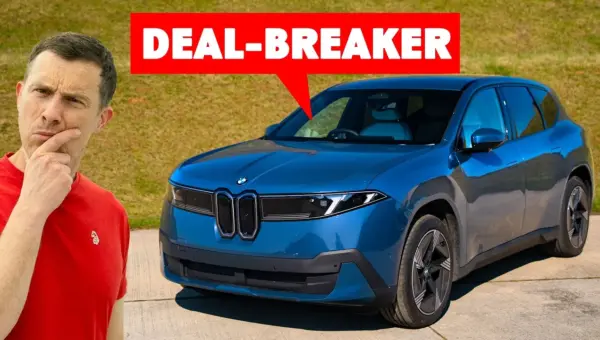
BMW iX3: The Electric Future BMW Wants You to Embrace
The BMW iX3 is a crucial testbed for the brand's electric future, influencing upcoming models with its design and tech. While it offers impressive performance and a modern interior, its polarizing styling and high price tag are points to consider.

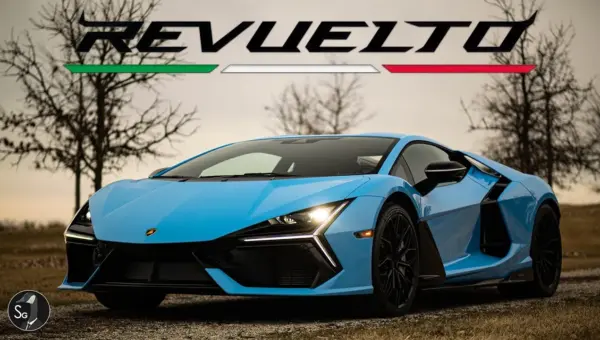
Lamborghini Revuelto Unleashes 1000 HP Hybrid V12
The Lamborghini Revuelto arrives as a groundbreaking hybrid supercar, merging a potent V12 engine with electric power for over 1,000 horsepower. It boasts blistering acceleration, advanced engineering, and a futuristic interior, setting a new standard for the brand's V12 legacy.

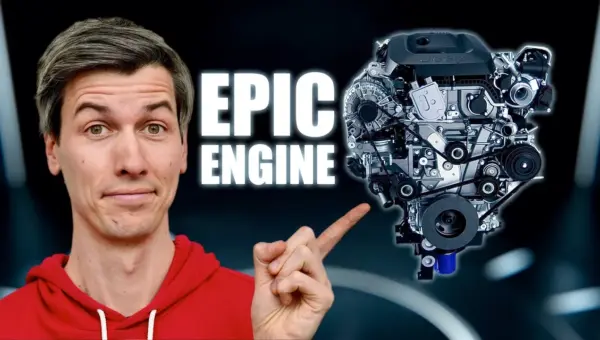
Jeep Unleashes F1-Inspired Hurricane 4 Engine Power
Jeep's new Hurricane 4 engine is a technological marvel, bringing Formula 1-inspired features like Turbulent Jet Ignition to mainstream vehicles. This 2.0-liter turbo engine delivers an impressive 324 horsepower and 332 lb-ft of torque with remarkable fuel efficiency. It redefines performance expectations for a four-cylinder, offering a compelling blend of power and economy.