Mockler and Rivera Clash Over Presidential Address Protocol
Journalist Adam Mockler and Fox host Geraldo Rivera engaged in a heated debate over Democratic lawmakers' boycott of a presidential address. Mockler argued the boycott was a justified response to "unprecedented" presidential actions, while Rivera decried it as "disrespect disguised as being hip."

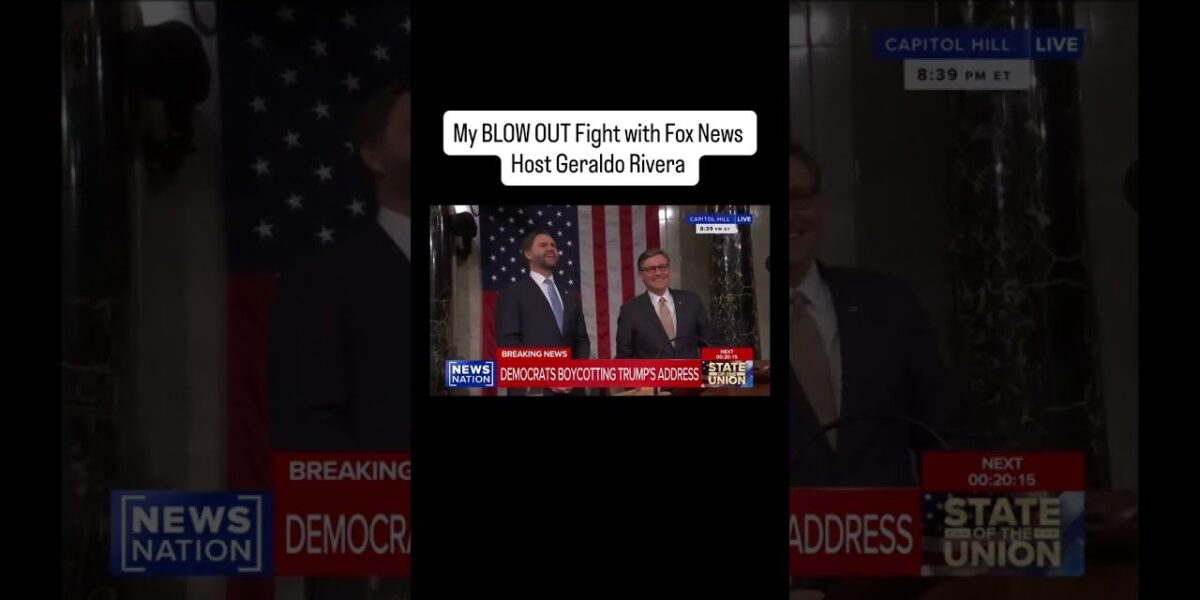
Journalist Adam Mockler and Fox Host Geraldo Rivera Engage in Heated Debate on Presidential Address Attendance
NEW YORK – A contentious exchange erupted between journalist Adam Mockler and Fox News host Geraldo Rivera over the appropriate response to a presidential address, specifically concerning Democratic lawmakers’ decision to boycott President Donald Trump’s recent address. The debate, which gained significant traction online, centered on whether boycotting such a speech constitutes disrespect or a justifiable protest against what Mockler described as unprecedented presidential actions.
The discussion, initially broadcast and later amplified on social media, highlighted a stark division in how political figures and the public perceive the role of opposition and the sanctity of presidential communication. Rivera argued that there are specific, constitutionally recognized occasions, such as inaugurations and State of the Union addresses, when bipartisan respect should be shown to the office of the president, regardless of party affiliation.
“I think that that is disrespect disguised as being hip,” Rivera stated, referring to the boycott. “I think there are two days a year when we support the president regardless of his party. One is when he is inaugurated. The other is during the State of the Union address.”
Mockler, however, vehemently disagreed, challenging Rivera’s premise by highlighting a pattern of what he characterized as unprecedented actions by the Trump administration. He argued that the context of the current political climate, marked by actions such as the imposition of tariffs, the deployment of ICE to cities, and what Mockler termed Trump’s “war against the Supreme Court,” necessitates a different approach from the opposition.
“Unprecedented moments demand unprecedented responses,” Mockler countered. “The tariffs that Donald Trump put on, those have been unprecedented. The way that ICE has deployed to cities across the country, unprecedented. Trump’s war against the Supreme Court that he just started, very unprecedented. I mean, he called for the arrest of the governor of my state, JB Pritzker. So, if you’re going to argue that Democrats are doing something unprecedented, then um that’s just not convincing to me.”
Mockler Defends Boycott as Response to Presidential Actions
Mockler elaborated on his position, suggesting that the boycott was not merely a symbolic gesture of disrespect but a strategic response to the president’s own conduct and policies. He asserted that shining a light on the impact of these policies, such as the effects of tariffs on small businesses or the plight of healthcare recipients, is a “good use of time” and public attention.
“I think that Democrats shining a light on people like the Epstein victims or people who lost their healthcare or some of the small businesses that were ruined by said tariffs is a good use of time. It’s a good use of the attention of the American people,” Mockler explained.
Rivera Cites Tradition and Constitutional Norms
Rivera’s argument leaned heavily on the tradition of respecting the office of the presidency during formal addresses, suggesting that such boycotts erode established norms of political discourse. He implied that Mockler and those who support the boycott were attempting to dictate who the public should listen to, a role he felt was inappropriate.
“Are you the one who gets to decide? You get to decide who we should listen to and who we should not listen to,” Rivera questioned.
Mockler Rejects Constitutional Argument Amidst Alleged Presidential Transgressions
Mockler dismissed Rivera’s invocation of constitutional norms and peaceful transfer of power, pointing to actions he deemed more egregious. He specifically referenced the chants of “Hang Mike Pence” following the 2020 election and cited Marjorie Taylor Greene’s heckling of Joe Biden during a previous State of the Union address as examples of Republicans lowering the standards of political discourse.
“Give me a break. You’re going to cite the Constitution and the peaceful transfer of power, the inauguration, as something that we should respect when we’re about to listen to the president who was the first person to break that peaceful transfer of power after people were chanting, ‘Hang Mike Pence’ because of his election fraud lies,” Mockler retorted. “And about four years ago at the state of the union, Marjorie Taylor Green heckled Joe Biden when he was speaking about his deceased son Bo Biden. So the Republicans have brought us down to new depths day by day by day.”
Audience Engagement and Online Reaction
The debate also touched upon the perceived audience sizes of their respective platforms, with Mockler noting the significant online viewership for his stream. He claimed that “100,000 people watching the waiting screen” for his broadcast indicated a strong public interest in the issues being discussed, implying a larger or more engaged audience than traditional television viewership.
“The waiting screen had 100,000 people watching. I mean, how many people watch your show? Not as many as that,” Mockler stated. “People want to know.”
Rivera, representing Fox News, countered by asserting the broader reach of his network. “Fox News dwarfs your audience,” he stated, attempting to reassert the dominance of established media platforms.
Broader Implications for Political Discourse
This exchange underscores a growing tension in American politics between adhering to traditional norms of political conduct and responding assertively to perceived presidential overreach or misconduct. The debate reflects a broader national conversation about the boundaries of protest, the responsibilities of elected officials, and the role of media in shaping public perception. As political polarization continues to deepen, such confrontations are likely to become more frequent, highlighting the challenges in maintaining a functional and respectful public sphere.
The differing viewpoints presented by Mockler and Rivera encapsulate the polarized landscape, where actions are judged not only on their immediate impact but also on the broader context of perceived transgressions by political figures and parties. The question of whether boycotts are legitimate forms of protest or displays of disrespect remains a contentious issue, with significant implications for how political engagement is conducted in the future.
Moving forward, the willingness of both political parties to engage in or abstain from such symbolic acts of protest will be a key indicator of the health of bipartisan relations. Observers will be watching to see if either side offers concessions or if the trend toward heightened confrontation continues, further shaping the dynamics of presidential addresses and congressional responses.
Source: Adam Mockler debates Fox Host Geraldo Rivera (YouTube)

Related Articles
Trump Declares War on Iran, Vows ‘Certain Death’ for Resisters
President Donald Trump has announced ongoing combat operations in Iran, vowing "certain death" for those who resist and calling on Iranians to overthrow their regime. The escalation follows the deaths of three U.S. service members, with the administration citing the need to prevent nuclear proliferation and counter terrorism. Congressional reactions are divided, and public opinion remains largely skeptical.
Trump’s Agitation: A Nation Sees Decline
A Reuters/Ipsos poll reveals a majority of Americans perceive Donald Trump as becoming increasingly erratic with age. The findings highlight a disconnect between this perception and assessments of his mental fitness for the presidency, sparking broader questions about age and leadership.
Trump Agrees to Talks with Iran After Major Strikes
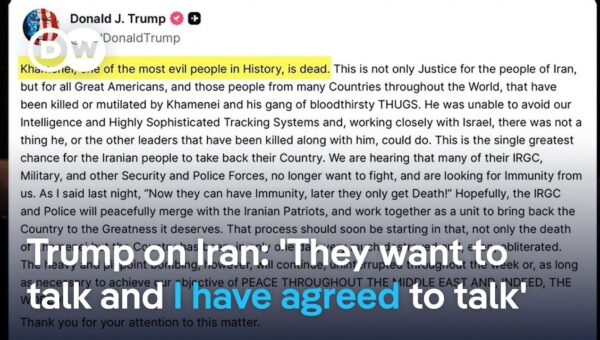
President Donald Trump has agreed to talks with Iran's leadership following coordinated strikes that reportedly killed key figures, including the Supreme Leader. While Trump claims significant military successes, U.S. strategy remains unclear, and public opinion shows limited support for the actions amid rising American casualties.