MLB Faces Major Shifts: Salary Caps, Media Rights, and Expansion Ahead
Major League Baseball faces a season of potential transformation. Key changes on the horizon include a push for a salary cap in the new collective bargaining agreement, a major shift in media rights towards centralized streaming, and possible league expansion with realignment. These developments could reshape the sport as fans know it.

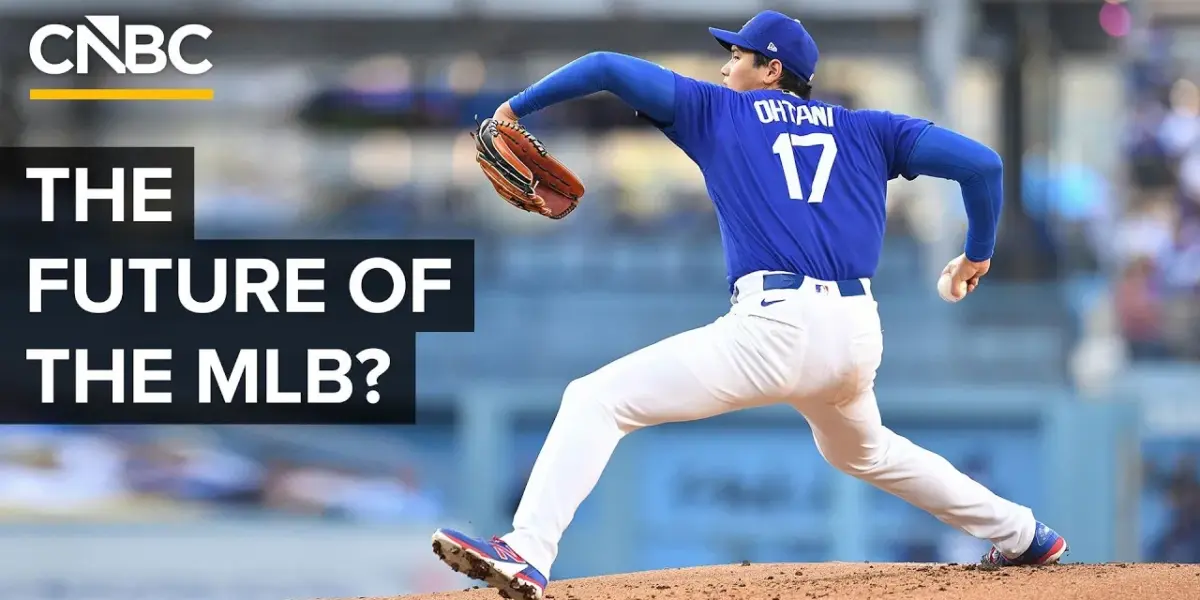
MLB on Brink of Transformation: Key Changes Loom After This Season
Major League Baseball (MLB) is kicking off its season, but this opening day carries a weight beyond the crack of the bat. It marks the potential start of significant changes that could reshape America’s pastime. The league’s collective bargaining agreement (CBA), the contract that governs player and owner relations, expires at the end of this season. This expiration opens the door for major negotiations that could fundamentally alter how the game is played and managed.
Salary Cap Debate Dominates Negotiations
A central point of contention in the upcoming CBA talks is the owners’ strong push for a salary cap. A salary cap, similar to those in the NFL, NBA, and NHL, limits the total amount of money teams can spend on player salaries. This contrasts with the current system in MLB, which is the only major U.S. sports league without such a restriction. The Players Association has publicly stated its expectation that owners might impose a lockout – a work stoppage where owners prevent players from participating – if a new agreement isn’t reached. This lockout could be a tactic to push for a new CBA that might include both a salary floor (a minimum amount teams must spend) and a salary cap. Implementing a salary cap would be a dramatic shift, potentially impacting team spending and player movement across the league.
Media Rights Revolution on the Horizon
Beyond the CBA, MLB is also preparing for a significant overhaul of its media rights strategy, set to take effect starting with the 2028 season. For decades, local MLB games have been broadcast primarily through regional sports networks (RSNs). However, this model is currently struggling financially. MLB aims to centralize all local broadcast rights, moving them to a single major streaming service. Companies like Amazon or ESPN could become the primary home for these games. This move signals a major shift away from traditional cable television towards digital streaming platforms.
In addition to local rights, MLB’s national media deals are also set for renegotiation after the 2028 season. Currently, the league has agreements with various partners, including NBC, ESPN, Fox, Turner Sports, and even streaming platforms like Apple and Roku for smaller packages. MLB has the opportunity to craft entirely new broadcast packages and potentially partner with new media companies. This presents a chance for the league to explore innovative ways to reach fans and monetize its content on a national level.
Expansion and League Realignment Possibilities
Another potential major change on MLB’s horizon is expansion. Commissioner Rob Manfred has expressed a desire to finalize the addition of two new cities for MLB teams by the end of 2029, expanding the league from 30 to 32 teams. While adding teams might seem straightforward, it could also lead to a significant realignment of the league’s conferences. In an extreme scenario, MLB could even consider eliminating the historic American League and National League structure. This could happen if the league decides to reorganize geographically. Such a change would represent a fundamental alteration to MLB’s identity, which has been built around these two leagues for roughly 125 years.
Market Impact and What Investors Should Know
MLB is experiencing strong viewership and fan engagement, indicating a healthy league. However, the confluence of these potential changes – a new CBA, a revamped media rights strategy, and possible expansion – places the league in a period of significant transition. For investors in sports media, technology, and potentially even in the teams themselves, these shifts are crucial. The move towards centralized streaming for local rights could create major opportunities for tech and streaming giants. The renegotiation of national rights will determine the future broadcast revenue streams for the league. Furthermore, any expansion or realignment could impact team valuations and league-wide economics. Understanding these evolving dynamics is key for anyone looking at the business of baseball.
The coming years promise to be pivotal for Major League Baseball. The decisions made regarding the CBA, media rights, and league structure will shape the fan experience and the business operations of the sport for decades to come.
Source: How This MLB Opening Day Marks A Closing Chapter For Baseball As Fans Know It (YouTube)

Related Articles


Cubs Star Pete Crow-Armstrong Signs $115M Deal
Chicago Cubs outfielder Pete Crow-Armstrong has signed a lucrative four-year, $115 million contract, solidifying his future with the team. He discussed the deal, the mental challenges of baseball, and the importance of clubhouse culture during an appearance on The Pat McAfee Show.


MLB Embraces Tech: Automated Ball-Strike System Debuts
Major League Baseball has introduced an automated ball-strike challenge system, aiming to increase accuracy and reduce controversial calls. While strategy remains, teams must now carefully manage limited challenges. Experts believe this technology will enhance fairness, especially in critical game moments, though the role of human umpires will likely evolve gradually.

Yankees’ “Run It Back” Season Starts: Can They Finally Win It All?
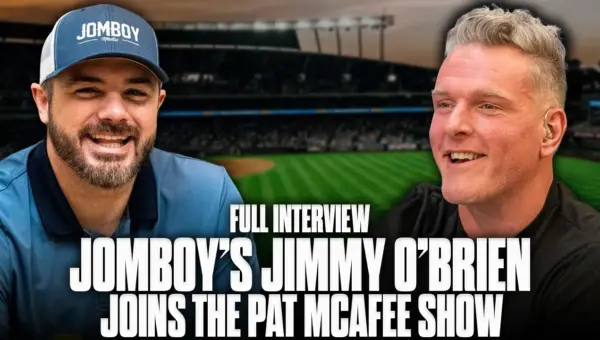
Jimmy O'Brien of Jomboy Media joined Pat McAfee to discuss the Yankees' "run it back" season, the controversial Opening Day broadcast, and the impact of new rules like ABS. He also weighed in on player celebrations and the NL's contenders.