Missing Pilot Complicates US Exit Strategy from Iran Tensions
The disappearance of an American pilot shot down over Iran complicates U.S. exit strategy, potentially prolonging military involvement. Experts note Iran's surprising resilience and the challenges of rescuing the pilot in hostile territory. This situation forces a strategic recalibration, highlighting the difficulties of withdrawal and the potential for a long-term commitment.

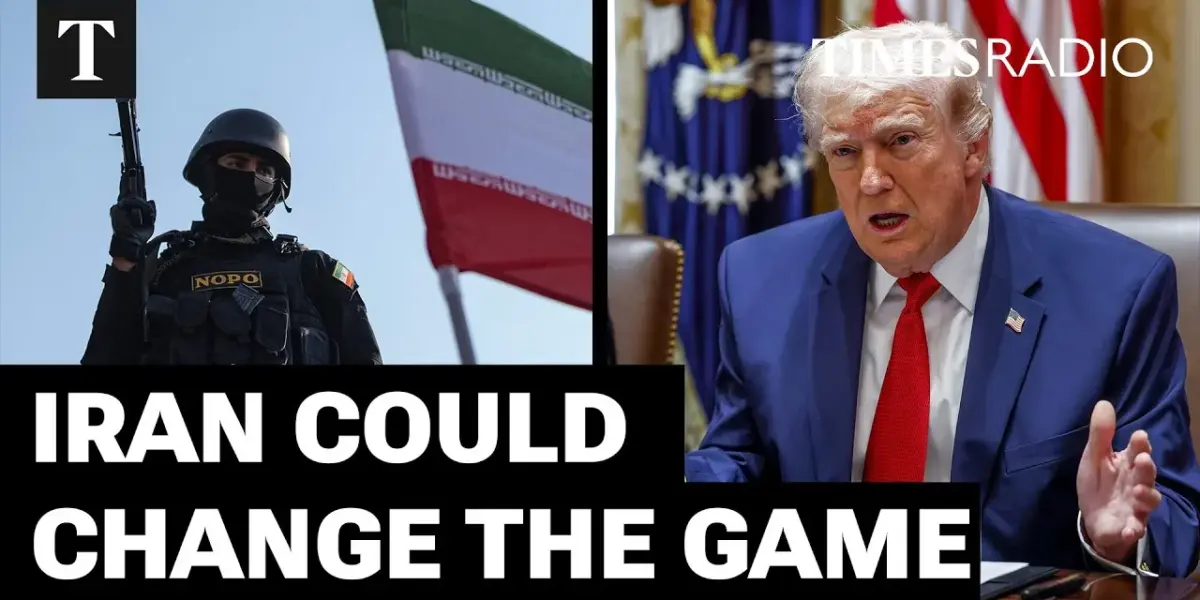
Pilot’s Disappearance Creates Obstacle for US Withdrawal Plans
The search for a missing American pilot shot down over the Persian Gulf has become a top priority for the U.S. government. This event has significantly complicated any plans for a swift withdrawal of American forces from the region. The White House is reportedly working around the clock to locate and rescue the service member, who is believed to be in southern Iran. This situation mirrors past conflicts where the presence of hostages made military withdrawal far more difficult, suggesting the U.S. could face a similar challenge in ending its operations.
Iran’s Resilience Surprises Experts
Despite previous claims by President Trump and Defense Secretary Pete Hoekstra that Iran’s air defenses had been destroyed, Iran has proven more resilient than many expected. Experts like Mark Gustafson, a senior director at Eurasia Group with extensive experience in national security, note that Iran’s ability to withstand pressure and retaliate has been surprising. This resilience is seen in their capacity to launch attacks on neighboring Gulf States, their success in bringing down a U.S. fighter jet, and their ability to keep the Strait of Hormuz open despite significant threats.
Challenges in Destroying Iranian Weaponry
A key factor in Iran’s continued resistance is the difficulty U.S. forces have encountered in destroying Iran’s stockpiles of missiles and drones. These weapons are often hidden in hard-to-reach locations, such as rock and granite formations, making them challenging to locate and eliminate. Even when some are destroyed, Iran has shown the ability to recover and redeploy them relatively quickly. Furthermore, these weapons systems are widely dispersed across the country, complicating efforts to disable them entirely.
Propaganda Value and Strategic Implications
The potential capture of the missing airman by Iran presents a significant propaganda victory for Tehran. This could draw the United States further into a conflict that President Trump had suggested might be nearing its end. For the U.S., it makes declaring victory and withdrawing much harder. The momentum within the U.S. government to bring the pilot home safely means that winding down operations and reducing air support will be difficult. This situation could prolong U.S. involvement, especially if the pilot is alive and held by Iran.
Complex Rescue Operations in Hostile Territory
Rescuing the pilot is expected to be an incredibly dangerous and complex operation. It would likely involve helicopters and special forces operating hundreds of miles inside hostile Iranian territory. The presence of anti-aircraft weapons capable of downing the pilot’s jet means that rescue aircraft could also be vulnerable. This high-risk environment makes the operation significantly more challenging than others seen in the past, requiring extraordinary logistical planning and execution.
Recalibrating Operations and Long-Term Strategy
The incident forces a recalibration of U.S. operations in Iran. President Trump’s earlier assertion that Iran could not challenge U.S. aircraft in its airspace has been disproven. This event could lead to a more cautious approach regarding aerial operations over Iran. If Iran holds a hostage, it complicates the U.S. strategy for ending its involvement and claiming victory. The loss of a plane also makes the U.S. military more hesitant to plan further offensive strikes across Iran.
Ground Operations Face Significant Hurdles
Any potential ground operation, such as securing territory to protect the Strait of Hormuz, would be fraught with difficulty. The Strait itself is heavily mined, and coastal areas are lined with cruise and ballistic missiles. Islands within the Strait, like Qeshm Island, are heavily populated, with Qeshm alone having about 150,000 residents. Securing such territory with a significant civilian population would require far more troops than are currently being deployed, making it a tall order. Experts suggest that any significant moves against Iranian territory are unlikely for at least a month, given the current troop numbers and arrival schedules.
Long-Term Commitment and Technological Advantage
The parallels to the Iraq War are notable, where initial objectives led to a prolonged stabilization effort. This situation could potentially become a multi-year commitment for successive U.S. administrations. However, a key difference is the U.S. military’s advanced capabilities in areas like artificial intelligence, drone surveillance, and other technologies. These tools might give the U.S. military more confidence in fighting a war remotely, without committing large numbers of ground troops. The scale of such a remote operation has not been tested before, making it a critical point to watch.
Source: There Will Be No Off-Ramp For Trump If Iran Holds The missing Pilot Hostage | Marc Gustafson (YouTube)

Related Articles

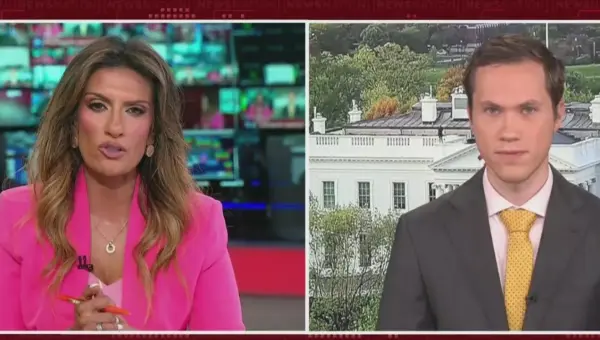
US Rescues Airman, Uniting Congress in Rare Bipartisan Praise
Washington reacted with widespread relief and bipartisan praise following the successful rescue of a U.S. service member held in Iran. The operation united lawmakers, demonstrating American resolve and capability in a complex geopolitical landscape. This event highlights the enduring importance of military power and its impact on regional dynamics.


GOP Rep Stumbles on Iran Policy Amidst War Confusion
A Republican congressman struggled to explain Iran's continued control over the Strait of Hormuz on live TV, raising questions about U.S. foreign policy clarity. The interview highlighted the complex reality of Iran's military capabilities, particularly its IRGC Navy, and the ongoing challenges in global trade security.
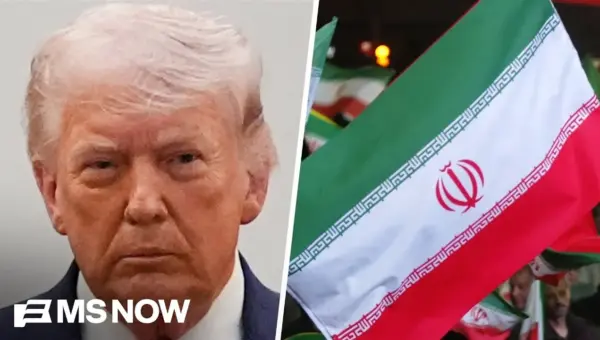
Trump Escalates Threats Against Iran With ‘Hell’ Warning
President Trump announced the rescue of a missing U.S. airman from Iran, but simultaneously escalated his aggressive rhetoric towards Tehran. He warned of "power plant day and bridge day" and threatened Iranians would "be living in hell" if they don't comply with U.S. demands.