Millions Rally Nationwide for ‘No Kings’ Protests
Millions of Americans are set to participate in nationwide 'No Kings' protests, marking the largest demonstrations against the current administration's policies. The protests, fueled by issues including the war in Iran and immigration enforcement, are planned across all 50 states. Experts draw parallels to historical movements, emphasizing the power of sustained grassroots dissent in driving change.

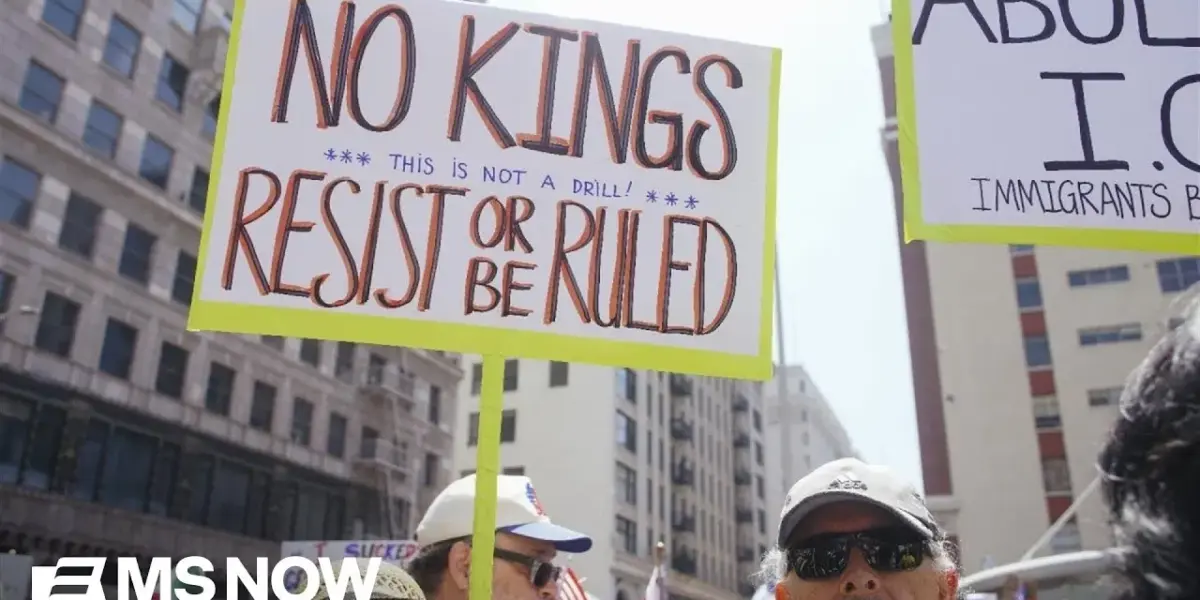
Nationwide Protests Erupt Against Administration Policies
Millions of Americans are expected to participate in nationwide ‘No Kings’ protests scheduled for tomorrow. This marks the third major demonstration against the current administration’s policies. Organizers anticipate this could be the largest mass protest in American history. The events are planned across all 50 states, with a major gathering in St. Paul, Minnesota.
Key Issues Fueling Widespread Dissent
This weekend’s protests come amid growing concerns over the U.S. war with Iran and increased anger regarding immigration enforcement. Earlier actions by the administration, such as reshaping federal agencies through layoffs and targeting cultural institutions like the Kennedy Center and Smithsonian, have also fueled public opposition. These actions, including the firing of the Kennedy Center’s bipartisan board and the installation of the President as chair, have been met with strong disapproval.
Escalating Protests Show Growing Public Engagement
The ‘No Kings’ movement began earlier this year, with the first protest drawing millions of participants. The second wave of protests in October was a response to the administration’s surge of federal immigration agents and National Guardsmen into American cities like Chicago and Los Angeles. Organizers report that the issues driving the current protests have expanded significantly. The war in Iran is now a major focal point, alongside continued frustration over immigration policies, particularly after events in Minneapolis where immigration agents’ presence led to violence. The flagship protest in St. Paul, Minnesota, is partly due to the earlier situation there, highlighting the broad base of public discontent.
Unprecedented Scale and Reach of Demonstrations
Organizers have announced over 3,200 events planned nationwide, including one in the Arctic Circle. More than 2,200 events are scheduled in non-urban areas, showing interest extends beyond major cities. Notably, several ‘red states’ are hosting a significant number of events. Texas plans over 100 events, Florida over 120, and Ohio over 110. California leads with more than 350 planned events, demonstrating a widespread desire for change across the country.
Historical Parallels: Protest as a Tool for Change
Julian Zelizer, a professor of history and public affairs at Princeton University, notes that the scale and scope of these protests are expanding. He points out that protest is a long-standing tradition in American history, similar to the anti-war movement during the Vietnam War. “Social protest is as American as apple pie,” Zelizer stated. He explained that during the Vietnam War, initial protests were seen as radical and marginal. However, by 1969, moratorium days saw nationwide demonstrations, changing public perception and the national conversation about right and wrong.
Grassroots Movements Drive Lasting Change
Professor Zelizer emphasized the role of persistence and determination in grassroots movements. He cited the Civil Rights Movement as an example, where years of sustained protest by activists in the South and North eventually led to significant legislative changes. “It’s not a one-day process, and I think that’s really the essence of how protests work,” he said. Zelizer highlighted that while it can take months or even years, continued public expression is crucial for influencing politicians and moving history forward. He noted President Lyndon B. Johnson’s response with the Civil Rights Act and the Voting Rights Act in 1964 and 1965 as a result of such sustained efforts.
‘No Kings’ Protests Challenge Political Narratives
The ‘No Kings’ protests, with their already massive turnout, rank among the top five largest mass protests in U.S. history. This scale suggests a significant portion of the country is unhappy with the current direction of national policies, both domestic and foreign. Zelizer believes the size of these protests challenges the notion that ‘Trumpism’ has gained widespread acceptance. “There is a large portion of this country that is not happy with the direction of the country,” he observed. He advised that politicians should pay close attention to these widespread expressions of frustration.
Looking Ahead: The Impact of Sustained Dissent
As millions prepare to take to the streets, the coming days will show whether this sustained wave of protest can translate into tangible policy changes. The historical precedent of movements like the Civil Rights and anti-war efforts suggests that persistence is key. The expanding list of grievances and the broad geographical reach of the ‘No Kings’ demonstrations indicate a deep well of public dissatisfaction that politicians will find difficult to ignore. The nation watches to see how these events will shape the political landscape moving forward.
Source: Nationwide 'No Kings' protests planned tomorrow (YouTube)

Related Articles

Americans Rise Up: History Shows Protests Drive Change
History shows that significant societal change in America often begins with citizens demanding action, not government initiative. From factory safety laws after the Triangle Shirtwaist fire to civil rights legislation spurred by the March on Washington and environmental protections born from Earth Day, public outcry has been a powerful catalyst. As new protests emerge amid current political and economic challenges, the nation watches to see if this historical pattern of people power will once again drive meaningful change.


Jane Fonda Warns of ‘Existential Crisis’ Amid Protests
Jane Fonda has issued a stern warning about widespread attacks on the First Amendment, urging Americans to defend their freedoms. The veteran activist highlighted the growing number of large-scale protests as a sign of public concern and a crucial opportunity to address both democratic erosion and the climate crisis.


House Republicans Reject Senate Deal, Sparking Government Funding Clash
House Republicans have rejected a Senate bill to end the government shutdown, citing insufficient border security measures. Congressman Randy Fine called the Senate deal a "disgrace" and highlighted the ongoing fight for full government funding. President Trump's executive order to pay TSA agents offers temporary relief, but the core disagreement over border security continues to paralyze Washington.