Millionaires Tax Sparks Fierce Legal Battle in Washington
Washington State's new tax on households earning over $1 million is facing intense opposition and multiple legal challenges. A key lawsuit targets the 'necessity clause' used to pass the law, potentially preventing public vote. The outcome could significantly impact state tax policy and legislative procedures.

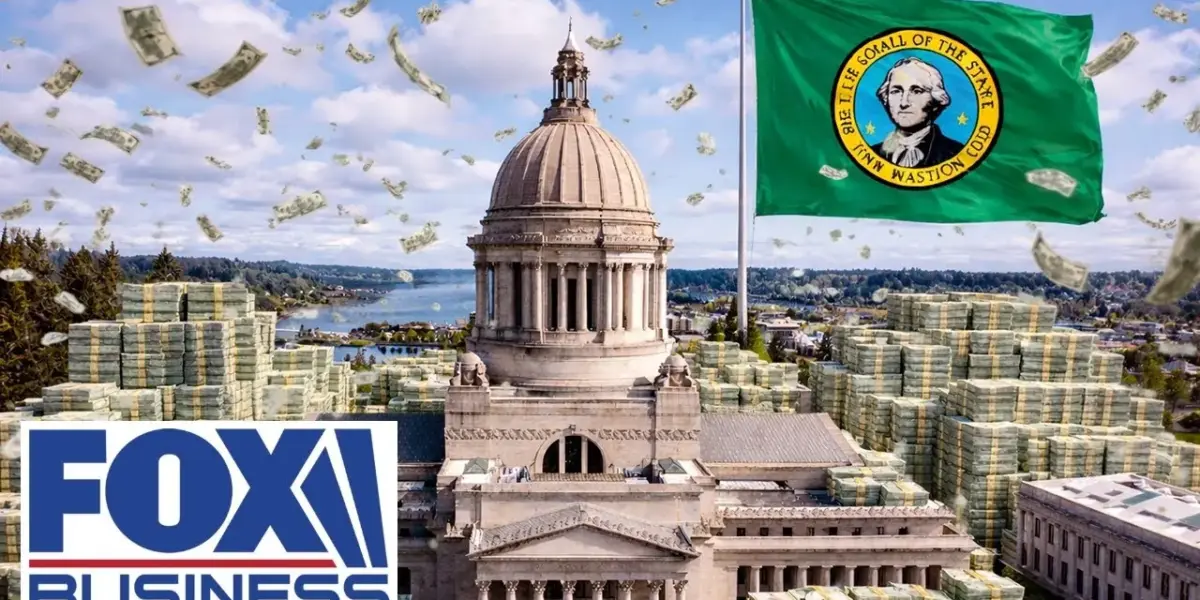
Washington State’s New Millionaires Tax Faces Strong Opposition
Washington State is grappling with a new tax law targeting households earning over $1 million annually. Governor Jay Inslee has signed this legislation, but it’s already facing widespread criticism and legal challenges. Many Republicans are strongly against the tax, and even some Democrats have expressed reservations, highlighting its unpopularity.
Deep-Rooted Opposition to Income Taxes
Historically, Washington State has shown a strong public sentiment against income taxes. Over the past century, citizens have rejected income tax proposals numerous times through initiatives. This new law for the wealthy is seen by many as a direct contradiction to this long-standing public will.
Legal Challenges Mount Against the Tax
The opposition has quickly moved to the courts. A significant lawsuit has been filed to challenge the new tax law. This legal effort is being spearheaded by a coalition including a former Democratic lawmaker, a former Attorney General, and a former Supreme Court Justice. These prominent figures are united in their opposition, aiming to have the law overturned.
The ‘Necessity Clause’ Controversy
A key point of contention is the way the bill was passed. Democrats used what’s called an “emergency clause” or “necessity clause.” This legislative maneuver prevented the public from voting on the tax through a referendum or initiative. Critics argue this was a deliberate attempt to bypass democratic oversight, especially since the tax doesn’t even take effect for two years.
A separate lawsuit is specifically targeting this “necessity clause.” The argument is that the clause was used improperly, as the tax was not an immediate necessity. This legal challenge is expected to reach the Washington State Supreme Court within weeks. The court’s decision on this clause could significantly impact the future of the tax and how future legislation is passed.
The Broader Context of Referendums
In Washington State, referendums allow citizens to challenge laws passed by the legislature. Initiatives, on the other hand, allow citizens to propose and vote on new laws or constitutional amendments. A referendum is generally considered easier to get on the ballot than an initiative, making the challenge to the tax law a significant event.
Homelessness and Disability Payments: A Separate Concern
In a separate development, a report highlighted a concerning situation in Seattle regarding homelessness. A homeless individual has reportedly been receiving $933 per month in federal disability payments for nearly a decade. This individual has been living by the side of a freeway for about ten years.
Challenges in Providing Services
The funds received are substantial enough to potentially cover rent, especially with deeply subsidized housing options available. These programs often require residents to pay only a small portion of their benefits for rent, while providing access to support services. However, the individual in question, like many others experiencing homelessness, appears to be “service resistant.”
This means they are unwilling to accept the help offered, often due to issues related to drug addiction or untreated mental health conditions. Providing effective assistance requires tailored approaches and patience. Local organizations are working to help this individual, starting with the crucial step of obtaining identification, which is necessary to access many services and housing options.
Market Impact
The legal battles surrounding Washington’s new tax on high earners could create uncertainty for businesses and investors in the state. If the tax is overturned, it removes a potential new revenue stream and maintains the status quo. If it is upheld, it could signal a shift in the state’s tax policy and potentially influence similar proposals in other states. The “necessity clause” challenge could also have broader implications for legislative transparency and public participation in lawmaking across Washington.
What Investors Should Know
Investors watching Washington State should monitor the legal proceedings closely. The outcome could affect the financial planning of high-net-worth individuals residing in the state and the broader economic outlook. The debate also touches on broader discussions about wealth, taxation, and social services, which are important considerations for long-term investment strategies.
Source: 'REALLY NEFARIOUS': Opposition to new millionaires tax EXPLODES into major political showdown (YouTube)

Related Articles


Trump’s White House Ballroom Project Faces Legal Halt
A controversial White House ballroom project initiated by former President Donald Trump has been halted by a federal judge. The ruling cited the need for congressional approval for such extensive construction on federal property. The project has faced criticism for its design, escalating costs, and the revelation of a large underground complex.


Courts Push Back: How Protests Fuel Legal Battles
Massive public protests are fueling a surge of legal challenges across the country. Organizations like Democracy Forward are using these demonstrations as a springboard to fight for citizens' rights in court. Recent victories in immigration law and ongoing efforts highlight the crucial link between public action and the defense of democracy.

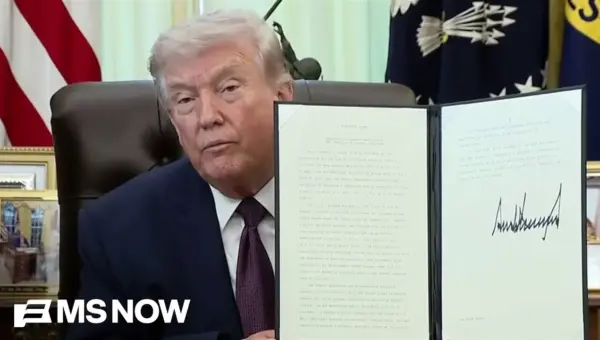
Trump’s Election Order Sparks Legal Firestorm Over Mail-In Ballots
President Donald Trump has signed a controversial executive order aiming to control mail-in ballots by creating a federal citizenship list for voter eligibility. Legal experts and voting rights advocates are challenging the order, citing a lack of constitutional authority and potential for voter suppression.