Miller’s Immigration Stumbles Spark White House Turmoil
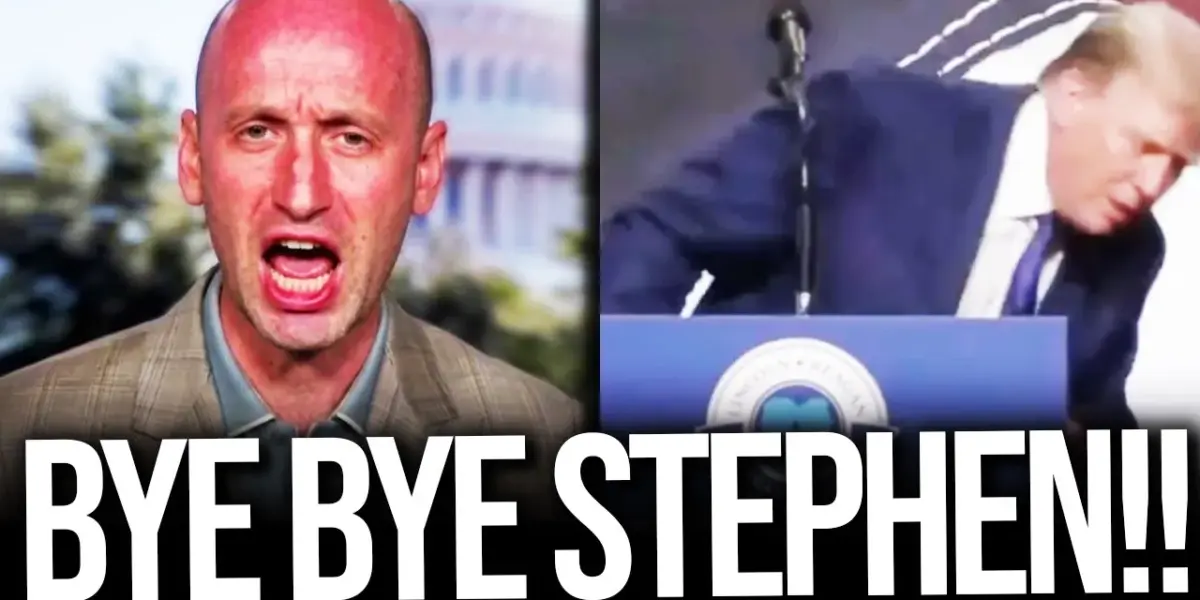
Stephen Miller, a key architect of the Trump administration's immigration policies, is reportedly facing increased pressure amid White House turmoil. Controversies surrounding his approach, including the aftermath of fatal ICE shootings and intense demands on officials, have led to public scrutiny and personnel changes, raising questions about the administration's direction.

Miller’s Immigration Stumbles Spark White House Turmoil
The Trump administration, known for its strong stance on immigration, has recently faced significant internal turmoil and public scrutiny. At the center of much of this controversy is Stephen Miller, a key policy adviser. Reports suggest Miller, who wields considerable influence over immigration policy, is now facing increased pressure as the administration deals with fallout from recent events.
A Controversial Architect
Stephen Miller has been described as a calculated and effective adviser who plays a crucial role in shaping the administration’s agenda. His influence is particularly strong in immigration matters, where he has been a driving force behind policies like the “zero tolerance” approach. This approach, however, has led to significant public outcry and has been linked to tragic incidents.
The Case of the Minnesota Shootings
A major point of contention arose following the deaths of two American citizens, Renee Good and Alex Pretty, at the hands of federal agents. The circumstances surrounding their deaths, coupled with the administration’s immediate labeling of them as “domestic terrorists” before investigations were complete, drew sharp criticism. Senator Tom Tillis, among others, questioned this rush to judgment, suggesting it was influenced by figures like Stephen Miller.
“It gives me pause that you had people like Steven Miller calling the shots that actually I believe that maybe Christy Nome acted on. It was Steven Miller that was talking about a terrorist brandishing a gun.” – Senator Tom Tillis (paraphrased from transcript)
This incident highlighted a pattern where Miller, according to critics, speaks first and thinks later, often leading to public relations challenges for the White House. The New York Times reported that Miller’s public appearances, particularly on his favored network Fox News, decreased significantly after this event. This suggests a strategic retreat from public view following a “disastrous immigration crackdown.”
Pressure on Officials and Staff
The intense pressure to implement and enforce strict immigration policies has reportedly taken a toll on administration officials. Todd Loins, the acting head of ICE, was hospitalized twice due to stress. Reports indicate that this stress was partly due to how Stephen Miller treated him during demanding phone calls. According to some accounts, Miller yelled at Loins, while others described him as merely “passionate.” Regardless, the pressure to deport migrants and meet White House demands was immense.
The handling of these sensitive situations, especially when they involve the loss of American lives, has raised questions about the administration’s decision-making process. The conflict between the need for thorough investigation and the desire to quickly label individuals, as seen with Good and Pretty, created a difficult situation for officials like Loins, who were caught between policy directives and investigative integrity.
Shifting Personnel and Public Perception
The fallout from these policy missteps has also led to changes in personnel. Former Homeland Security Secretary Kirstjen Nielsen was replaced by Kevin McAleenan, who was then succeeded by Chad Wolf. More recently, Secretary Kirstjen Nielsen was ousted, with Senator Mark Wayne Mullen taking her place. Stephen Miller is reported to have played a role in ousting key figures, including Nielsen.
Despite these shifts, Miller’s influence has persisted behind the scenes. While he may have retreated from public view, he continues to shape immigration policy. However, his approach has led to significant criticism, with some arguing he is out of his depth and a “big problem in this administration.” The administration’s immigration policies have also been linked to declining poll numbers, suggesting that the human cost and public perception are starting to impact political standing.
Historical Context: Executive Authority and Immigration
The administration’s actions, particularly in expanding executive authority, have been a subject of debate. Some observers argue that the current administration has seen one of the largest expansions of executive power in American history. This concentration of power, coupled with a strong focus on immigration enforcement, has created a challenging environment for both policy implementation and public trust.
Historically, immigration has always been a complex and often divisive issue in American politics. Different administrations have approached it with varying degrees of enforcement and reform. The “zero tolerance” policy and its consequences represent a particularly stringent approach that has generated significant controversy and legal challenges.
Why This Matters
The events surrounding Stephen Miller and the administration’s immigration policies highlight critical issues. They underscore the importance of due process, the potential dangers of unchecked executive power, and the impact of policy decisions on human lives. The stress placed on government officials and the public’s perception of fairness are crucial elements in a democratic society.
Furthermore, the administration’s approach to immigration has significant implications for the country’s international standing and its internal social fabric. The debate over border security, enforcement, and pathways to citizenship continues to be a central theme in American politics, with policies shaped by influential figures like Miller having lasting effects.
Future Outlook
As the administration navigates these challenges, the focus on immigration remains intense. The question of who will be the next to face pressure or be removed from their position continues to hang over the White House. Stephen Miller’s continued influence, despite the controversies, suggests that the administration’s core immigration agenda is unlikely to change dramatically in the short term.
However, the persistent public scrutiny and the internal stresses indicate that the current approach may not be sustainable in the long run. The effectiveness of policies driven by strong ideological stances, especially when they lead to negative outcomes, will likely continue to be debated and challenged. The administration’s ability to manage public perception and internal dissent will be critical as it moves forward.
Source: Stephen Miller SLIPS UP and Trump HUMILIATES HIM (YouTube)

Related Articles


Medicare Rates Rise 2.48%, Boosting Insurers, Saving Billions
The Trump administration has set the 2027 Medicare payment rate for private plans at 2.48%, an increase expected to add over $13 billion. This move aims to control costs, boost insurer stocks, and promote patient-centered care. The policy emphasizes affordability and long-term program sustainability.


FBI Agents Fight Back Against Political Purge
Former FBI agents have launched a class-action lawsuit alleging wrongful termination and political retaliation. The suit claims agents were fired for reasons including their involvement in January 6th investigations and perceived political disloyalty, citing public statements by Trump administration officials as key evidence.
Ex-FBI Official: Trump’s DOJ Now Serves White House, Not Public
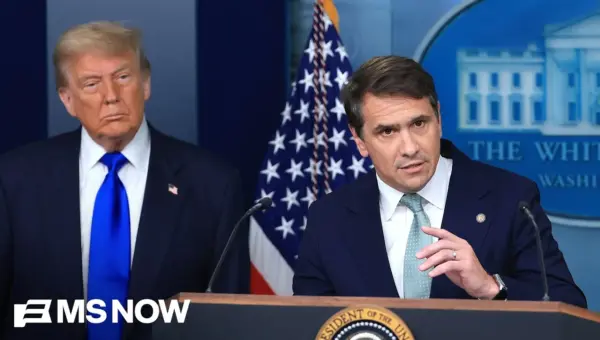
A former FBI official warns the Department of Justice has shifted from public service to serving the White House. The department faces accusations of politically motivated prosecutions and a loss of experienced legal professionals, potentially undermining justice.