Miller Stumbles: Did Trump Miss Iran’s Aggression?
A Fox News host challenged Stephen Miller on the Trump administration's alleged failure to anticipate Iran's regional aggression. Miller deflected, focusing instead on what Iran's actions revealed about its dangerous nature. The exchange highlights ongoing debates about intelligence, foresight, and accountability in foreign policy.

Miller Stumbles: Did Trump Miss Iran’s Aggression?
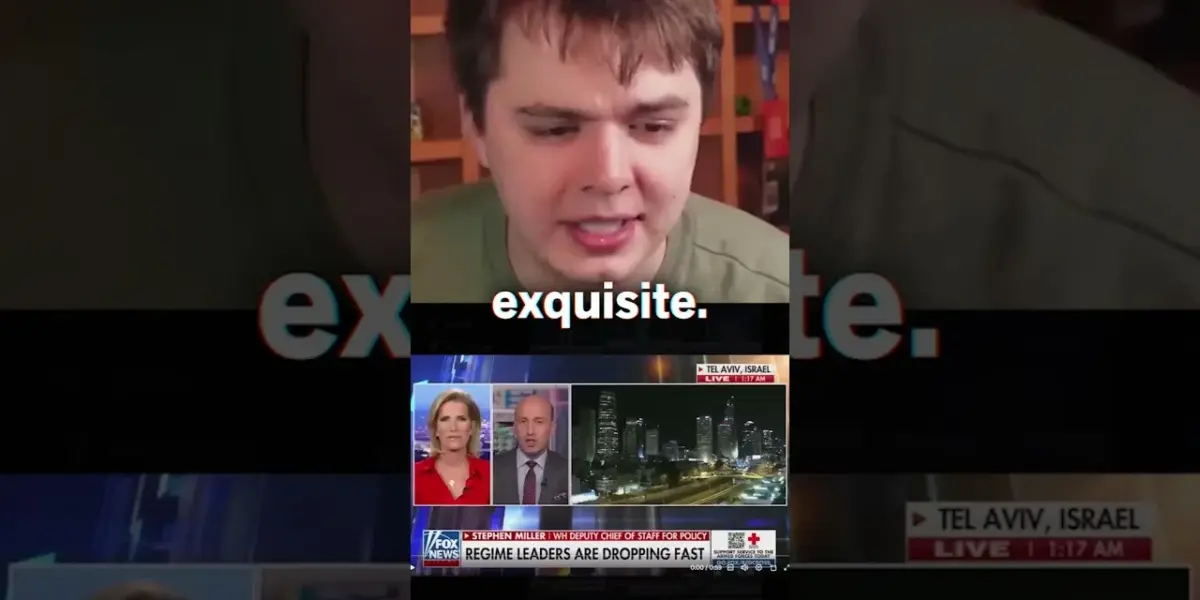
A recent exchange on Fox News highlighted a tense moment when a host questioned Stephen Miller about the Trump administration’s foresight regarding Iran’s actions. The host, Laura Ingraham, pressed Miller on whether the administration had anticipated Iran striking other countries in the region. Ingraham’s core question was direct: given the significant resources spent, why wasn’t this potential aggression foreseen and communicated to the president?
Miller’s response shifted the focus. He argued that the president’s point wasn’t about anticipating specific strikes, but rather what Iran’s actions revealed about its regime. According to Miller, Iran’s decision to target nations that were either allies or, at least, non-combatants in the Middle East, exposed its “blood lust” and recklessness. He suggested that these actions served as a stark warning about how dangerous Iran would be if it pursued nuclear weapons.
A Mismatch in Focus
Ingraham, however, remained unconvinced, stating that Miller’s explanation did not directly answer her original question. She reiterated that the issue was whether Trump’s team had truly anticipated Iran striking other countries, or if they had been caught off guard. The host pointed out that the administration apparently did not anticipate troops dying, retaliation from Iran, or other potential consequences. This led her to question the administration’s claim that military planning had been “exquisite” in this context.
Miller defended the military planning, calling it “exquisite” and highlighting the United States’ superior capabilities. He mentioned specific operations like “Midnight Hammer,” “Absolute Resolve,” and “Epic Fury” as evidence of American strength. He also addressed the possibility of Iran seeking help from other nations, like Russia, stating that the administration anticipated Iran would reach out for assistance. However, he emphasized that U.S. capabilities far surpassed any potential support Iran could receive.
Historical Context and Similar Concerns
This exchange echoes ongoing debates about foreign policy decision-making and intelligence gathering. Historically, administrations have faced scrutiny over their ability to predict and respond to geopolitical shifts. The effectiveness of intelligence assessments and the clarity of presidential briefings are often called into question, especially when unexpected events occur. Critics often point to instances where perceived intelligence failures have led to diplomatic or military missteps.
In the realm of international relations, anticipating the actions of adversarial nations is a complex and challenging task. Factors such as internal political dynamics within those nations, their strategic goals, and the unpredictable nature of conflict all play a role. The debate between Miller and Ingraham touches upon a fundamental aspect of national security: the balance between projecting strength and accurately assessing threats.
Why This Matters
The ability of a presidential administration to anticipate and prepare for potential threats is crucial for national security. If key actors in the government are not adequately informed or if their intelligence assessments are flawed, it can lead to unexpected crises. This situation highlights the importance of clear communication, accurate intelligence analysis, and strategic foresight in foreign policy. Misjudging an adversary’s intentions or capabilities can have severe consequences, ranging from loss of life to destabilization of entire regions.
Furthermore, the public’s trust in leadership is often tied to their perceived competence in handling complex international issues. When questions arise about whether critical information was missed or ignored, it can erode confidence. The exchange also raises questions about how political figures frame events, shifting blame or emphasizing certain aspects to create a desired narrative.
Implications, Trends, and Future Outlook
This incident is part of a broader trend where political figures are increasingly held accountable for their administration’s handling of foreign policy challenges in real-time. Social media and cable news cycles demand immediate responses and explanations, often putting officials on the spot. The pressure to appear in control and well-informed is immense.
Looking ahead, the effectiveness of intelligence agencies and the communication channels between them and the highest levels of government will remain a critical focus. As geopolitical landscapes continue to evolve, with new alliances and emerging threats, the need for accurate anticipation and swift, informed decision-making will only grow. The ability to adapt strategies based on evolving intelligence, rather than relying solely on pre-existing talking points, will be a key indicator of future success in navigating global uncertainties.
The underlying tension in this discussion is the difference between acknowledging an adversary’s character and predicting their specific actions. While understanding a regime’s dangerous nature is important, it doesn’t automatically translate into anticipating every move it might make. This distinction is vital for effective policy and defense planning.
Source: Stephen Miller Gets CAUGHT Off Guard by Fox Host #politics #fyp #new (YouTube)

Related Articles

G7 Allies Clash Over Iran War Strategy, Urge Focus on Russia
G7 foreign ministers met in Paris, revealing deep divisions over the U.S. war with Iran. European allies urged the U.S. to pressure Russia, linking its actions to the conflict and fearing support for Ukraine will wane.

Iran Blocks China Ships, Exposing Beijing’s Weak Grip
Iran's recent decision to block Chinese ships at the Strait of Hormuz is exposing the limits of Beijing's influence in the Middle East. This action is causing delays and cancellations for Chinese manufacturers, turning a perceived geopolitical win into an economic strain.
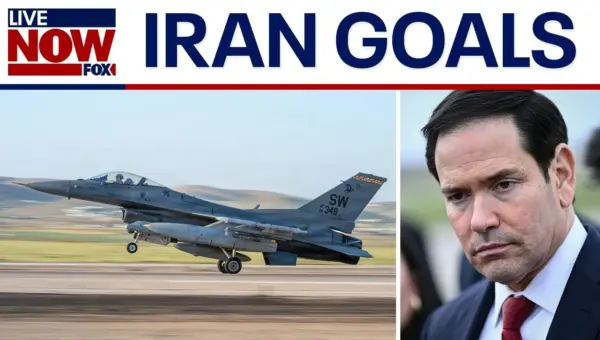
Rubio: US Can Achieve Iran War Goals Without Troops
Senator Marco Rubio outlined a strategy to counter Iran without deploying U.S. ground troops, focusing on weakening the regime and enhancing maritime security. He also criticized Cuba's economic system and expressed concerns about West Bank violence.