Military Rescue Mission Under Fire: Truth or Fiction?
A recent military rescue mission, hailed as a success, is now under intense scrutiny. Evidence suggests a chaotic operation with significant aircraft losses and a hefty price tag, raising questions about the official narrative and government transparency.


Military Rescue Mission Under Fire: Truth or Fiction?
A recent military operation, presented as a successful rescue mission under President Trump’s leadership, is facing serious questions. While officials claim a precise execution and control of the skies, evidence emerging from the incident suggests a far different and more chaotic reality. This has led to accusations of a collapsing narrative and a significant waste of American taxpayer money.
The Official Story vs. Emerging Evidence
The initial report stated that the U.S. military flew for hours over Iran, both in daylight and at night, to rescue downed airmen without any interference from Iranian forces. This was presented as a testament to American military power and President Trump’s effective leadership. However, visual evidence, including debris found in a field near Ishvahan, Iran, paints a starkly different picture.
Critics point to images and videos that appear to show the aftermath of a disastrous operation, not a clean success. The cost of this mission is estimated to be around $400 million, raising concerns about the significant expenditure for what some are calling a failed endeavor. There are also claims that the Iranian military did not simply stand by, but rather engaged with American forces.
Questions About the Mission’s Scale and Objectives
The narrative suggests that the mission involved the rescue of a single downed airman. However, the scale of the operation, involving multiple large aircraft like C-130s and Black Hawk helicopters, has raised eyebrows. Why would such extensive resources be deployed for the rescue of just one individual? This discrepancy has fueled skepticism about the official account.
Furthermore, there are conflicting reports regarding the events that led to the loss of aircraft. While the Pentagon claims C-130s got stuck in the mud, other accounts suggest they may have been shot down. The idea that two large C-130 transport planes would be involved in a covert rescue mission of this nature is also questioned by those familiar with special operations.
Allegations of Deception and Misinformation
The most serious accusations revolve around potential deception and a cover-up. Some sources suggest that American forces may have intentionally destroyed their own downed aircraft to prevent them from falling into enemy hands. The Pentagon’s version of events is being challenged, with claims that officials have lied about the number of casualties and the extent of equipment lost in the past.
This distrust extends to broader claims about the current administration’s transparency. Concerns have been raised about the government’s willingness to provide accurate information, even on basic matters like weather forecasts, due to alleged gutting of relevant agencies and a disregard for scientific consensus.
Potential Strategic Implications
Beyond the immediate questions about the rescue mission, there are broader implications for U.S. foreign policy and military strategy. Some analysts suggest that this botched operation might have been intended as a precursor to a larger military action against Iran’s nuclear facilities. The perceived failure and potential high casualties could delay or alter such plans.
The situation also highlights a potential disconnect between political leadership and the military chain of command. There are concerns that political pressure to undertake risky or questionable operations could lead to unnecessary American casualties. The willingness of military leaders to follow potentially unlawful orders is a significant point of discussion.
Historical Context and Future Outlook
The use of military force and the dissemination of information during conflicts have always been complex. Throughout history, governments have faced scrutiny over their accounts of operations, especially when significant resources are expended and casualties occur. The current situation echoes past instances where official narratives have been challenged by independent reporting and evidence on the ground.
Looking ahead, the credibility of military reporting and the transparency of government actions will be crucial. If the allegations of misinformation hold true, it could have lasting consequences for public trust and the effectiveness of future military operations. The situation underscores the importance of independent journalism and critical analysis in holding power accountable.
Why This Matters
This incident is significant because it raises fundamental questions about truth, accountability, and the cost of military actions. When a mission presented as a success is met with evidence of chaos, significant loss of resources, and potential deception, it erodes public trust. The alleged waste of $400 million taxpayer dollars demands a clear and honest explanation. Furthermore, if political leaders are indeed pushing for risky operations without full consideration of the consequences, it puts American service members in unnecessary danger. The integrity of information provided by the government is vital for informed public discourse and democratic oversight, especially when it concerns matters of war and national security.
Source: Trump Rescue Mission NARRATIVE COLLAPSING in Real Time?!! (YouTube)

Related Articles
Trump’s Iran Standoff: A Legacy Built on Risky Gambles
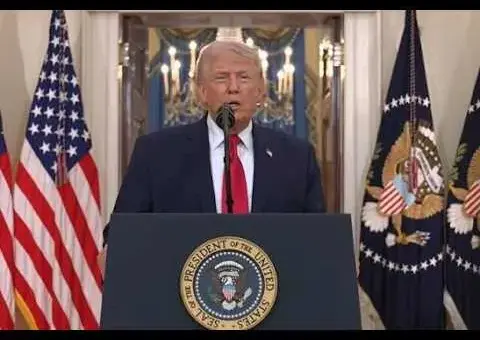
Former President Trump announced a temporary halt to attacks on Iran, a move that sparked both relief and confusion due to his inconsistent rhetoric. Analysts suggest this pattern reflects a broader strategy of legacy building, where personal ambition may outweigh national consequences. Concerns about accountability and the potential for dangerous gambles remain.
Trump Halts Iran Bombing, Declares ‘Big Day for World Peace’
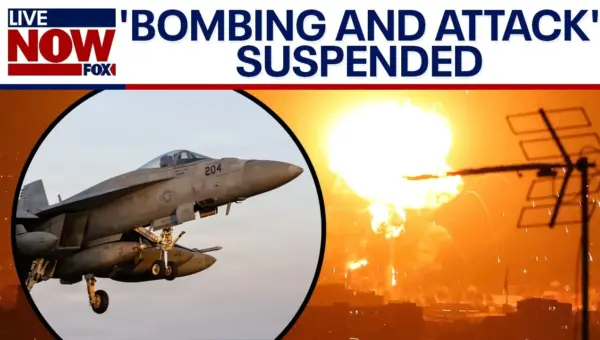
President Trump announced a surprising two-week ceasefire agreement with Iran, halting threatened military strikes and calling it a "big day for World Peace." However, details remain murky, with conflicting statements from Iran and Israel creating confusion about the terms and scope of the deal.


US Strikes Iran’s Kharg Island, Military Action Accelerates
The U.S. military has intensified its campaign against Iran with strikes on key targets like Kharg Island, signaling a strategy of "coercive diplomacy." Experts believe this military action, coupled with diplomatic efforts, aims to prevent Iran from acquiring nuclear weapons. The situation highlights a long-standing national security challenge with potential implications for global energy markets.