Military Chaplain Reform: 20 Years Late, But Is It Enough?
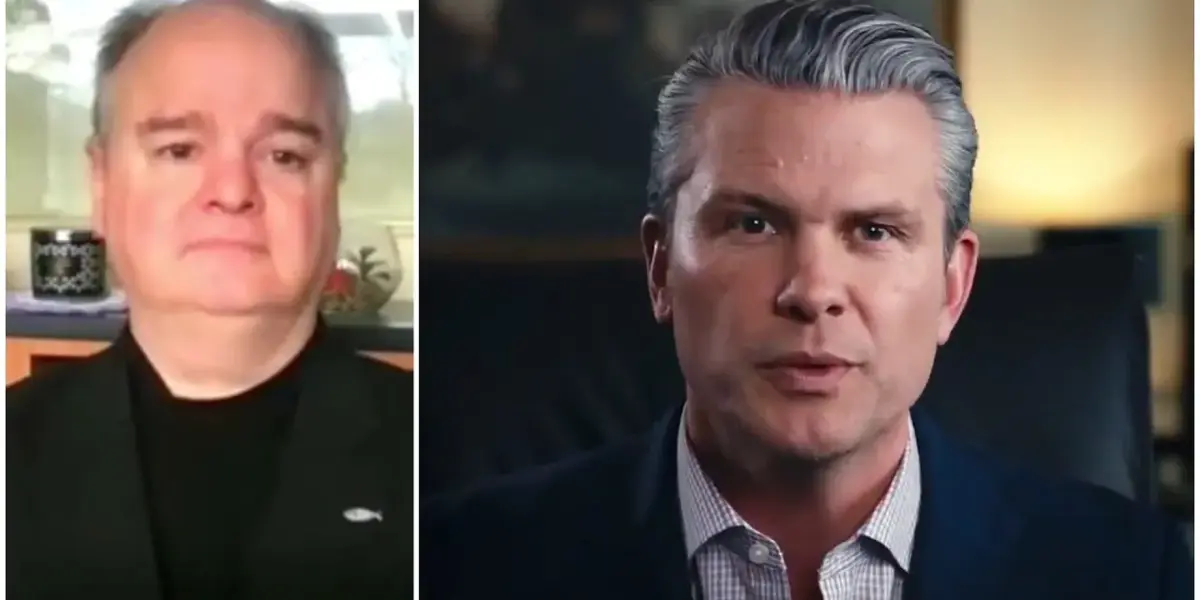
Former Navy Chaplain Gordon Klingenschmitt argues that recent military reforms for the Chaplain Corps are 20 years too late. He shares his experience of losing his career for praying in Jesus' name and points to ongoing censorship and punishment of chaplains. Reforms like removing rank insignia aim to refocus chaplains on spiritual service, but critics question if they go far enough to protect religious freedom.

Military Chaplain Reform: 20 Years Late, But Is It Enough?
The U.S. military’s Chaplain Corps, a vital support system for service members, is undergoing changes aimed at restoring its original purpose. Secretary of War Pete Hegseth recently announced efforts to reform the corps, emphasizing a return to spiritual guidance over what he calls “political correctness and secular humanism.” However, former Navy Chaplain Gordon Klingenschmitt, known as Dr. Chaps, argues these reforms are long overdue, stating they are “20 years too late.” His experience and perspective shed light on deep-seated issues within the corps that continue to affect religious freedom for service members.
A Chaplain’s Stand and a Career Lost
Dr. Chaps’ personal story highlights the challenges faced by chaplains with traditional religious beliefs. In 2006, he was among 70 chaplains who sued the military under the Bush administration. They faced discrimination if they prayed in Jesus’ name, with policies in place that allowed commanders to punish chaplains for doing so outside of formal services. Dr. Chaps took a public stand, praying in Jesus’ name on national television while in his Navy uniform. This act led to a court-martial, the loss of his 16-year career as an officer, and a significant pension.
His public protest, however, sparked broader support. A petition with 300,000 signatures led Congress to change the policy, at least on paper, protecting a chaplain’s right to pray in Jesus’ name. Yet, Dr. Chaps insists that despite these legal changes, a cultural decline persists. Chaplains continue to face censorship and punishment for expressing their faith or personal views.
Ongoing Struggles for Religious Expression
Recent examples illustrate Dr. Chaps’ concerns. A chaplain was reprimanded for a Facebook post criticizing transgenderism. Another was denied promotion and reassigned for expressing personal political views, not even in front of troops. Even within Veterans Affairs hospitals, chaplains reportedly face censorship for discussing Jesus or quoting the Bible, actions deemed not “politically correct.” The core issue, according to Dr. Chaps, is that easily offended individuals can complain to commanders, who then punish the chaplains. He argues that commanders who violate a chaplain’s religious freedom should face consequences for breaking their oath to the Constitution.
The problem is the admirals when I was in the Navy and even some senior chaplain, they think that they are God. They think that the institution is higher than the constitution.
Distinguishing Chaplains from Therapists
Secretary Hegseth has drawn a clear line between the role of a chaplain and that of a military therapist. While the military has psychologists and psychiatrists for mental health support, chaplains offer a spiritual dimension. Their primary duty is to provide for members of their own faith, whether that means preaching, administering sacraments, or offering spiritual counsel. This constitutional right ensures that service members do not have to abandon their faith traditions while serving their country.
Rank Insignia Removal: A Symbolic Shift
A significant reform announced by Secretary Hegseth involves removing rank insignia from chaplains’ uniforms. Instead, their religious symbols will be displayed more prominently. This change visually reinforces the idea that a chaplain’s primary calling is to their faith and service, not to military rank or power. Dr. Chaps sees this as a positive step, distinguishing between chaplains who genuinely care for their flock and those who seek personal gain through rank and influence. He believes this reform promotes humility and emphasizes the chaplain’s role as a servant of God and a provider of spiritual needs, rather than an authority figure wielding military power.
Historical Context and Future Outlook
The issues Dr. Chaps raises have historical roots. Senior chaplains, he explains, have often used their rank and influence to control duty assignments and promotion boards, negatively impacting junior chaplains, particularly those with more traditional beliefs. He advocates for secular commanders to oversee these administrative aspects, preventing chaplains from wielding power over others with different religious affiliations. This would align with the practice in civilian life, where religious leaders answer to their own faith hierarchy, not to chaplains of other religions.
Why This Matters
The ongoing debate and reforms within the Chaplain Corps are crucial for maintaining the religious freedom and moral well-being of U.S. service members. When chaplains are suppressed or forced to compromise their beliefs, it undermines their ability to provide authentic spiritual support. This impacts not only the individual service member but also the cohesion and morale of military units. Ensuring that chaplains can freely practice and express their faith, while respecting the diverse beliefs of others, is essential for upholding the constitutional rights of those who serve.
Implications and Future Trends
The removal of rank insignia is a symbolic move, but its effectiveness will depend on broader cultural shifts within the military. If commanders continue to punish chaplains for expressing their faith, or if the underlying bias against traditional religious views persists, the reforms may fall short. Future trends might include greater legal challenges to religious restrictions, increased public awareness campaigns, and continued efforts by military leadership to balance religious freedom with military operational needs. The goal is to ensure the Chaplain Corps truly serves as a spiritual anchor for all service members, regardless of their specific faith tradition.
A Message of Support
Concluding his remarks, Dr. Chaps offered a message of support to U.S. military members serving overseas. He emphasized pride in their service, the commitment of chaplains to meet their needs, and the shared values of love of God and country. He urged service members to seek true spiritual counseling from chaplains, reinforcing the importance of genuine spiritual care in times of conflict and stress.
Source: War Department's Effort to Reform Chaplain Corps Is 20 Years Too Late: Former Navy Chaplain (YouTube)

Related Articles
Pentagon’s ‘Holy War’ Rhetoric Alarms Military Leaders
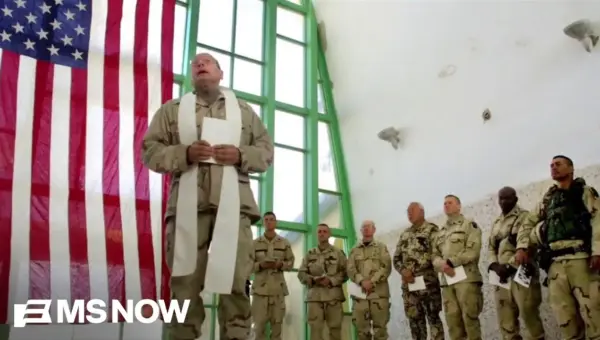
Pentagon Secretary Pete Hegseth's use of "holy war" rhetoric, including prayers for "overwhelming violence," is alarming military leaders and experts. Recent reforms have also drastically reduced the number of recognized religious codes for military chaplains, raising concerns about support for diverse service members.

Vietnam Vets Honored: ‘Always Remember’ Call at Memorial
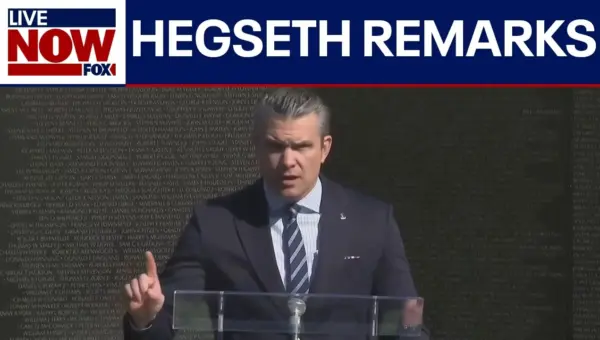
Vietnam veterans were honored at a recent ceremony in Washington D.C., with speakers emphasizing the need to "always remember" their courage and sacrifice. Secretaries Doug Collins and Pete Hegseth highlighted the Vietnam generation's lasting impact on veterans' care and urged continued support for all service members. The event focused on lessons learned and the importance of prioritizing veterans.

Pentagon Chief Blocks Black, Female Officers’ Promotions
Pentagon chief Pete Hegseth is reportedly blocking the promotions of four Army officers, two Black and two women, to one-star general. This decision follows reports of alleged discriminatory remarks made by a top aide to Secretary Hegseth regarding President Trump's comfort standing with Black female officers.