Military Brass Resists Trump’s War Push on Iran
Reports reveal internal dissent from military leaders urging caution against a full-scale attack on Iran. The administration's shifting justifications and perceived disregard for expert advice raise serious questions about strategic clarity and public trust.

Military Brass Resists Trump’s War Push on Iran
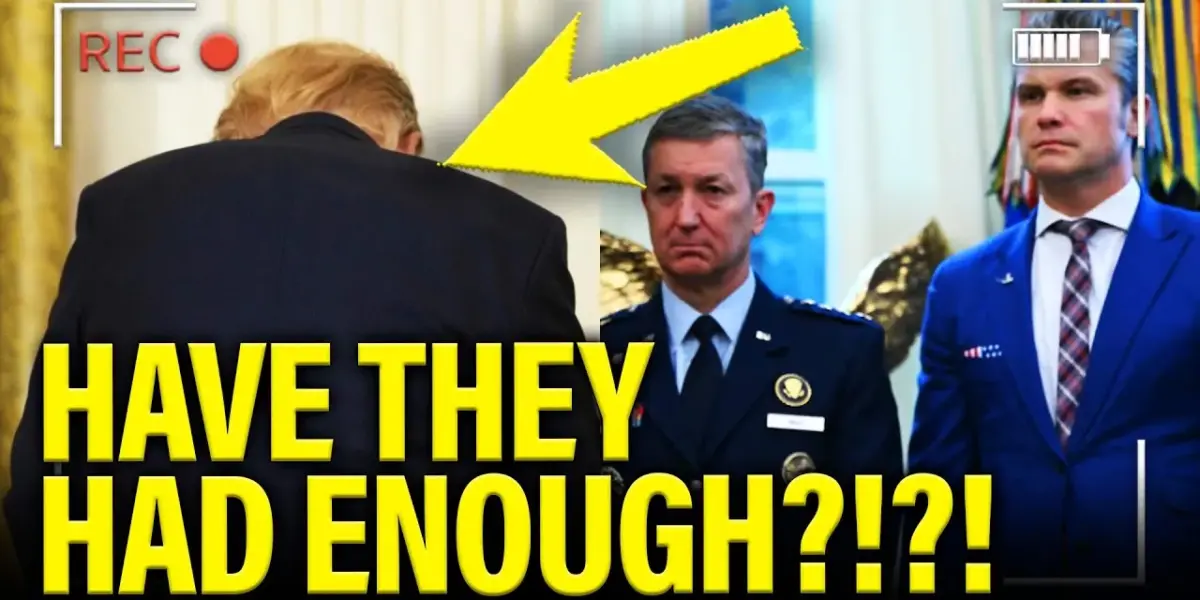
The decision-making process behind the United States’ military actions against Iran appears to have been fraught with internal dissent, particularly from senior military advisors who, according to reports, urged caution against a full-scale assault. This internal conflict highlights a significant divergence between political leadership and military expertise, raising questions about the administration’s strategic clarity and its handling of escalating international tensions.
Divergent Counsel, Presidential Decree
Reports suggest that President Donald Trump’s military advisors, including General Dan Kaine, Chairman of the Joint Chiefs of Staff, presented briefings detailing the potential costs of an attack on Iran. These concerns reportedly encompassed the risk to American lives and the dangerous depletion of already strained weapon stockpiles. Despite these warnings, President Trump reportedly dismissed these reports, labeling them as “100% incorrect.” Further reporting indicated that other senior military leaders also voiced significant concerns regarding escalation and the potential for a wider regional conflict.
The transcript conveys a palpable sense of disgust from those who have experienced the horrors of war, contrasting it with what is perceived as the detached and celebratory rhetoric of political figures. The sentiment is that the sacrifices of service members are reduced to mere statistics or inevitable outcomes of conflict, rather than acknowledging the profound human cost. This perspective underscores a fundamental disconnect between the battlefield realities and the decision-making chambers.
Shifting Narratives and Questionable Justifications
Compounding the uncertainty surrounding the decision to engage in military action is the administration’s evolving narrative. Explanations for the strikes have shifted, with initial justifications citing Iran’s missile program, despite previous claims of its complete obliteration. Other rationales have included protecting U.S. allies, which has prompted debate over whether threats to allies are being equated with direct threats to the United States. This inconsistency in messaging has led to accusations of a lack of a coherent strategy and has eroded public trust.
One particularly contentious point has been the justification for the strikes. Reports emerged suggesting that the Pentagon briefed congressional staffers that Iran’s potential retaliatory actions were not an imminent threat to the U.S. but rather a response if attacked by another party, specifically Israel. This contradicted the White House’s narrative and fueled speculation that the U.S. was acting on behalf of allies rather than direct national security interests. The shifting goalposts and conflicting accounts have led to comparisons with the justifications for the Iraq War, raising concerns about transparency and the potential for prolonged conflict based on questionable intelligence.
Public Opinion and Internal Backlash
The decision to strike Iran has met with significant public disapproval. A CNN poll indicated that nearly 60% of Americans disapprove of the air strikes, with a similar percentage expressing distrust in President Trump’s judgment on the use of force and a lack of confidence in his plan for managing the situation. This public sentiment is particularly significant given the MAGA movement’s historical opposition to protracted Middle Eastern wars and Trump’s own campaign promises to end foreign entanglements.
Even within the MAGA coalition, prominent voices have voiced skepticism and questioned the rationale behind the new conflict. This internal dissent from conservative commentators and influencers highlights a potential crisis of credibility for the administration, as the current actions appear to contradict core tenets of the “America First” policy. Questions have been raised about the endgame of the conflict and the alignment with campaign promises, suggesting a significant political challenge for the President.
Historical Context and Future Outlook
The current situation echoes historical patterns of escalating tensions in the Middle East, where military interventions have often been preceded by shifting justifications and internal debates. The legacy of the Iraq War, with its controversial origins and prolonged consequences, looms large in the public consciousness, making transparency and clear articulation of threats paramount. The reliance on military action over diplomatic solutions, especially when faced with internal military counsel advising against it, raises concerns about the long-term implications for regional stability and American foreign policy.
The perception of a disconnect between military advice and political decision-making, coupled with inconsistent public messaging, creates a significant challenge for the administration’s credibility. As the conflict potentially unfolds with substantial daily costs, the backlash from within the President’s own political base and the broader public is likely to intensify. The future outlook hinges on the administration’s ability to provide a clear, consistent, and truthful rationale for its actions, and to address the concerns raised by both military experts and the American people.
Why This Matters
This situation is critical because it exposes a fundamental tension between political objectives and military realities. When political leaders appear to override the counsel of experienced military professionals, especially regarding matters of war and peace, the consequences can be severe. The shifting justifications and lack of transparency erode public trust, which is essential for any sustained foreign policy endeavor. Furthermore, the conflict’s potential to draw the U.S. into a wider regional war, with significant human and financial costs, directly impacts national security and the well-being of American citizens. The apparent contradiction with the “America First” platform also signals a potential fracturing of political coalitions and a crisis of credibility for the administration.
Source: Military Leaders THROW TRUMP UNDER THE BUS over WAR! (YouTube)

Related Articles
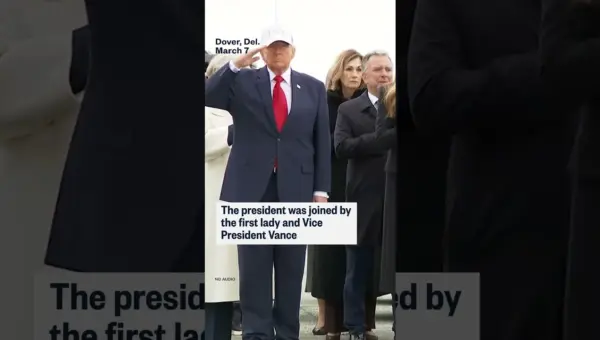
Trump Honors Fallen Soldiers in Dignified Transfer Ceremony
President Donald Trump attended a dignified transfer of remains ceremony to honor six U.S. troops killed in the recent Iran conflict. The solemn event underscores the human cost of escalating geopolitical tensions in the Middle East. The nation mourns the loss of its service members as the administration faces scrutiny over regional strategy.
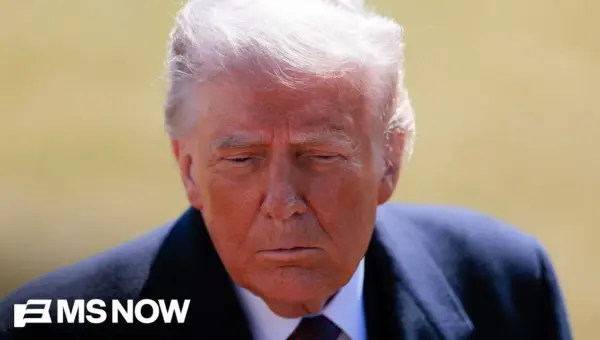
Trump’s Iran War Stance Splits MAGA Base Ahead of Midterms
President Trump's decision to escalate military action in Iran has ignited backlash from his MAGA base, challenging his leadership and campaign promises. Critics cite a perceived betrayal of anti-war sentiment and inconsistent messaging, compounded by domestic economic woes, as the conflict's fallout threatens to impact upcoming midterm elections.

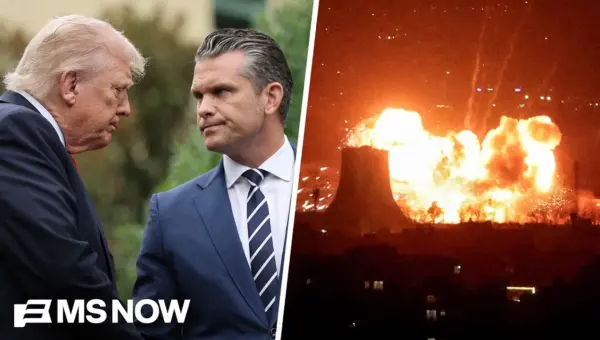
Retired General Slams US Accountability on Iran War
Retired General Dana Pittard has awarded the U.S. a "failing grade" for its accountability to the American people and Congress regarding the conflict with Iran. While acknowledging military successes, Pittard criticized the lack of clear objectives and failure to engage allies.