Migrant Crossings Rise as UK-France Deal Stalls
A vital UK-France deal to stop illegal migrant Channel crossings is stalled due to funding and performance disagreements. Border Force officials fear this stalemate could lead to a rise in dangerous journeys as French patrols intercept only a third of attempted crossings.


Deal Stalemate Fuels Border Force Concerns Over Channel Crossings
A crucial three-year agreement between Britain and France aimed at curbing illegal migrant crossings in the English Channel has stalled, raising alarms among UK Border Force officials about a potential surge in dangerous journeys. The current deal is set to expire soon, and negotiations for a new pact have hit a snag as both nations present outstanding demands, leaving a void in coordinated efforts to manage the crisis.
Disagreement Over Funding and Performance Metrics
The primary roadblock in finalizing a new agreement centers on disagreements over funding and how to measure success. The current deal, costing British taxpayers approximately u00a3160 million annually for three years, is nearing its end. Reports suggest the proposed new deal would cost around u00a3650 million over the next three years, a significant increase.
Britain’s Home Office is pushing for a “pay-by-results” model. This means funding would be directly tied to France’s success in intercepting migrant boats. Currently, French patrols are estimated to be stopping only about 33% of all attempted crossings. The Home Office wants this figure to be well above 50%, ensuring more “bang for their buck” from the substantial British investment. British taxpayers fund roughly two-thirds of all French patrols aimed at preventing illegal migration in northern France.
France Demands More Financial Support
France, on the other hand, has its own set of demands before agreeing to a new deal. They are requesting that Britain cover the costs for staffing a new detention center in Dunkirk, a facility that has already faced significant delays. This center was part of the previous agreement but has not yet become fully operational.
Additionally, France wants the UK to fund reserve patrols, which are extra personnel brought in during periods of high migrant activity. They are also asking for British funding for a new barracks to house riot police stationed along the French coast to manage migrant camps and prevent departures. Britain has reportedly rejected these additional financial requests.
Risk of Increased Crossings and Trafficking
Border Force officials are deeply concerned that the current stalemate could embolden migrants and human traffickers. If French patrols are perceived to be less active or if a new agreement isn’t reached quickly, it could encourage more individuals to attempt the perilous journey across the Channel. The fear is that migrants might believe there will be less law enforcement presence on French beaches, making their departure seem easier.
“Without those patrols, Border Force think that there would be even higher numbers of migrants coming across the channel. But they would also encourage even more people migrants to come to the French beaches because they would know or they would believe that there would be less of a law enforcement presence there.”
The current interception rate of around 33% is seen as insufficient by the UK government, but Border Force acknowledges the vital role these French patrols play. They understand that France needs the financial support and doesn’t necessarily have the same vested interest in stopping people from leaving their country as the UK does in preventing them from arriving.
Broader Implications and Future Outlook
The ongoing dispute highlights the complex and often contentious nature of international cooperation on migration. The high cost of the existing and proposed deals underscores the significant resources governments are willing to commit, yet disagreements over effectiveness and financial contributions continue to hinder progress.
As the current deal nears its end, the lack of a firm agreement creates uncertainty. This void could be exploited by criminal networks involved in people smuggling, leading to more dangerous crossings. The situation also raises questions about the long-term strategy for managing irregular migration and the sustainability of bilateral agreements.
What to Watch Next
All eyes will be on the negotiating table as Britain and France attempt to bridge their differences. The effectiveness of future patrols and the safety of migrants attempting the crossing will hinge on a swift resolution. Public and political pressure in both countries will likely intensify as the expiry date of the current agreement approaches, potentially forcing concessions from either side to secure a new pact.
Source: Border Force Concerned About Rise In Migrant Crossings Amid France-Britain Deal Delay (YouTube)

Related Articles

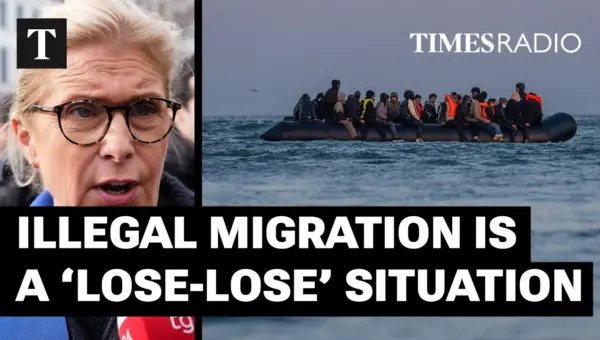
UK Must Send Back Illegal Migrants, Says Ex-MEP
As a UK-France migrant deal nears expiry, former MEP Patricia Shanyong argues for stricter policies, stating illegal migrants must be sent back. Fisherman Matt Coker reports a significant increase in small boat crossings in the English Channel. The debate intensifies over border protection and the effectiveness of current agreements.


Immigration Standoff: Democrats Prioritize Aliens Over Citizens
An attorney criticizes Democrats for prioritizing illegal immigrants over American citizens amid a government shutdown. The debate centers on border security and deportation policies, with concerns raised about public safety and political accountability.


GOP Lawmaker Slams Democrats Over DHS Funding Blockade
A Republican lawmaker has accused Democrats of obstructing critical funding for the Department of Homeland Security, arguing they prioritize illegal immigrants over American safety. The criticism comes amid concerns over national security threats and border influxes, with the lawmaker detailing the wide-ranging impact of potential funding cuts on agencies like TSA and cybersecurity.