Midterms to Test Trump’s Grip on GOP, Voters Show Discontent
The upcoming midterm elections are expected to be a significant test of former President Donald Trump's influence within the Republican party and the broader electorate. With low approval ratings and voter discontent over key policies, the elections could signal a shift in political power. Experts believe the midterms will be more than just a check on the current administration, reflecting deep dissatisfaction that could impact both the House and the Senate.

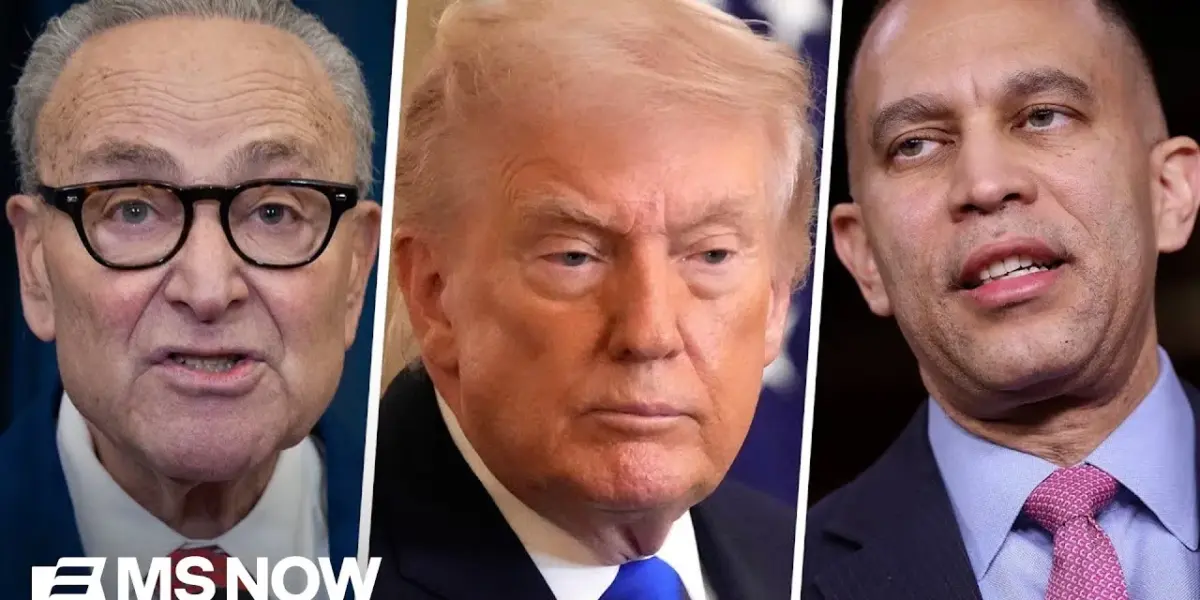
Midterm Elections Poised to Be More Than a Check on Power
The upcoming midterm elections are shaping up to be a significant test of former President Donald Trump’s influence over the Republican party and the broader electorate. Experts suggest the elections will serve as much more than a simple check and balance on the current administration, potentially reflecting deep voter dissatisfaction with key policies and priorities. The outcome could signal a shift in political power and a reevaluation of Trump’s continued role in national politics.
Voter Expectations and the President’s Role
Historically, when one party controls the government, Americans often look to midterm elections to express their views, leading to shifts in power. This year, there’s an expectation that Democrats could gain seats, reflecting a desire for a government that better mirrors the public’s will. While the President may care about his approval ratings, his focus appears to be less on his party’s immediate electoral success and more on long-term legacy building. This approach, however, may not align with the urgent concerns of voters facing economic pressures and policy disagreements.
Democrats’ Strategic Dilemma
The Democratic party faces a strategic decision regarding engagement with the President. One path involves seeking common ground on issues that could improve Americans’ lives, presenting an opportunity for bipartisan cooperation. Alternatively, Democrats might deem the political climate too divisive to work with the current administration, choosing a different course. The question remains whether there are any policy areas that could genuinely benefit the public and garner support across the aisle, a point that former Senator Barbara Boxer found lacking in current proposals.
Voter Discontent and the “Blue Tsunami” Potential
A strong sentiment of dissatisfaction with current policies is evident among voters, extending beyond party lines. Independent voters, in particular, appear to be overwhelmingly opposed to what they perceive as detrimental actions. This widespread discontent could fuel a significant electoral shift, potentially a “blue tsunami,” if voters turn out in large numbers. However, there’s a concern that complacency could set in, with individuals believing the outcome is already decided.
“The only thing that’s inevitable, as Ben Franklin said, is death and taxes. Nothing else is inevitable.”
This quote highlights the crucial need for voter engagement and participation. Relying on assumptions about election results can be detrimental, as the political landscape is dynamic and requires active involvement to shape its direction. Efforts to suppress votes also pose a significant challenge that needs to be addressed.
Republican Challenges and Shifting Dynamics
Republicans are reportedly grappling with the President’s perceived lack of focus on their electoral prospects. The political map has changed significantly since past elections, making large seat swings less likely. Many House Republicans appear to believe that adhering to the President’s agenda will ensure their re-election, a strategy that historical trends suggest may be flawed. A small but notable number of Republicans in vulnerable seats are showing signs of dissent, even signing onto Democratic initiatives to distance themselves from the White House.
Approval Ratings and Electoral Headwinds
The President’s approval ratings are notably low, hovering in the low 30s according to recent polls. These numbers present a significant challenge for Republican candidates in the midterms. The situation is compounded by the fact that the President himself will not be on the ballot, a factor that may discourage some Republican voters from turning out. In 2018, when the President was not on the ballot, many Republican voters stayed home, a pattern that could repeat if enthusiasm wanes.
The Tightrope Walk for Republican Candidates
Republican candidates find themselves in a difficult position. Showing too much distance from the President now could lead to challenges in their primaries. However, as the November elections approach, they may feel increasing pressure to differentiate themselves from a White House with low approval ratings. This dilemma makes it challenging to align with the President’s agenda, especially when it involves potentially unpopular proposals like cutting entitlement spending. Candidates in swing districts, particularly those that voted for Kamala Harris or where the margin was close, face the difficult task of appealing to a broader base while navigating party loyalties.
Legislative Battles and Election Year Politics
The possibility of major legislative battles, such as those concerning entitlement reform or significant healthcare changes, appears unlikely in an election year. Such contentious issues are often avoided to prevent alienating voters. Proposals like the SAVE Act, which could ban mail-in balloting, are also unlikely to gain traction. The political dynamics of election years generally make sweeping legislative changes difficult to achieve, regardless of the party in power.
The Senate’s Fate and Key Battlegrounds
While the House of Representatives is seen as clearly in play, the Senate is also considered a potential battleground. Races in states like Maine and North Carolina are viewed as competitive. The President’s low approval ratings and the general headwinds facing the incumbent party create challenges for Republicans seeking to hold onto their Senate majority. Although they have a larger cushion than in the House, the Senate remains vulnerable.
Economic Concerns Trumping Other Issues
Despite potential foreign policy successes, core economic issues like border security and affordability remain paramount for voters. With slow GDP growth, job layoffs, and rising energy prices, these concerns are likely to persist through the November elections. The impact of trade policies and rising fertilizer costs could also create surprises in key agricultural regions like the Midwest. These economic factors, coupled with voter dissatisfaction, will likely play a significant role in shaping the midterm election outcomes.
Source: Midterms will be 'much more than just a check and balance' on Trump: Fmr. Senator (YouTube)

Related Articles

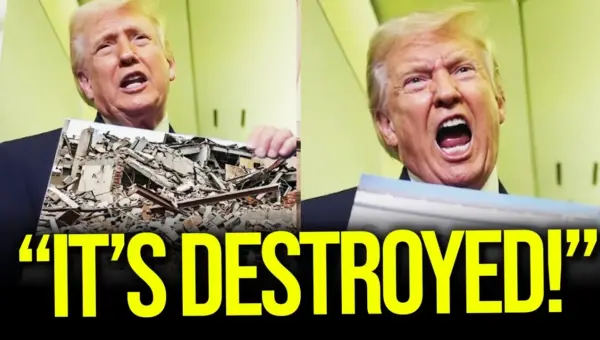
Judge Halts Trump’s Ballroom: Power vs. Public Good
A federal judge has halted Donald Trump's $400 million White House ballroom project, ruling the president is not the owner of the property. The decision contrasts sharply with the economic struggles of average Americans, drawing criticism about misplaced priorities and the limits of executive power.

Trump’s Iran War Strategy Risks NATO, Allies Furious
Former President Trump's push for a swift end to the Iran conflict faces military limitations and has angered key allies, straining the NATO alliance. Domestic concerns over the economy and Trump's political future add further complexity to the volatile situation.

Trump Tells Allies: Secure Hormuz Strait Alone!
President Trump has told U.S. allies to secure the vital Strait of Hormuz themselves, signaling a potential reduction in American security guarantees. This directive urges countries facing fuel shortages to take independent action, marking a significant shift in foreign policy. Defense officials also warned of decisive days ahead in regional conflicts.