Midsommar’s Dark Secrets Revealed!
Ari Aster's 'Midsommar' is more than just a folk horror film; it's a visual deep dive into grief, toxic relationships, and the search for belonging. This analysis unpacks the chilling symbolism, hidden meanings, and the cult's dark rituals that make the film a sun-drenched nightmare. Discover the secrets behind Dani's transformation into the May Queen and Christian's horrific fate.

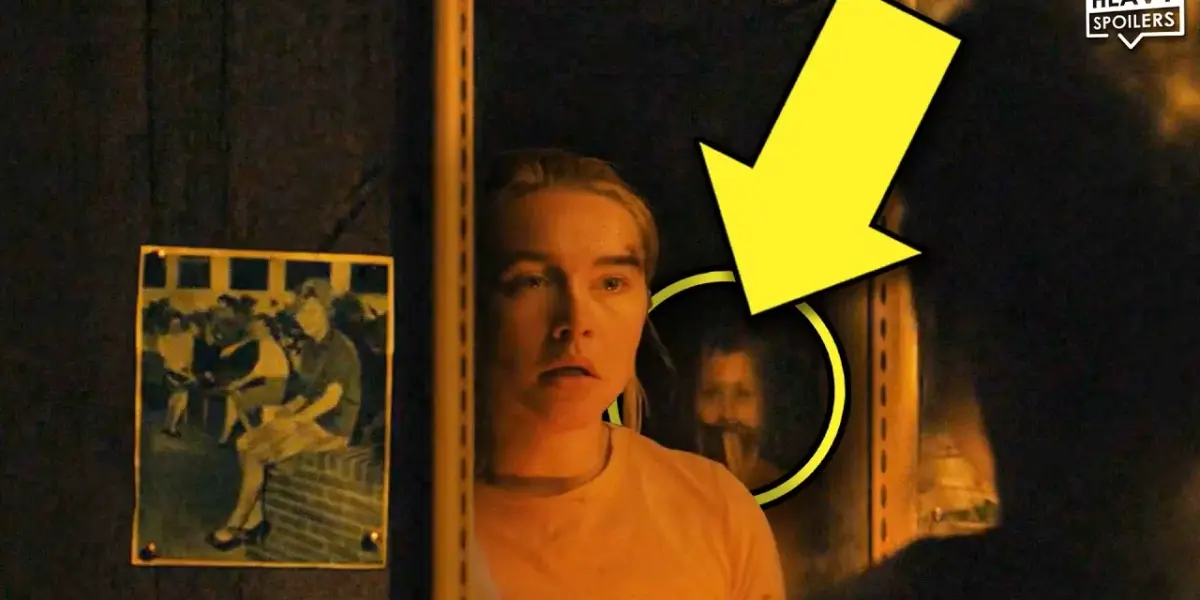
Midsommar’s Chilling Secrets Uncovered!
Director Ari Aster’s folk horror masterpiece, Midsommar, is more than just a creepy cult story. It’s a deeply symbolic journey into grief, relationships, and the search for belonging. Fresh off the success of his debut film, Hereditary, Aster dove into a sun-drenched nightmare that has viewers talking for years. This analysis dives deep into the film’s hidden meanings, visual clues, and the chilling choices made by its characters.
A Story Born from Tradition and Trauma
Midsommar, released in 2019, was quickly embraced by the independent film studio A24, known for its unique and thought-provoking movies. Aster was inspired by classic folk horror, particularly The Wicker Man, and even the seemingly innocent The Wizard of Oz. He blended these influences with Swedish Mayday traditions and the folklore of the Halsingland region to create a disturbing narrative.
The film centers on Dani (Florence Pugh), a young woman struggling with immense grief after a family tragedy. Her already rocky relationship with her boyfriend, Christian (Jack Reynor), is further strained. Seeking an escape, they join Christian’s friends on a trip to a remote Swedish commune for a once-in-a-lifetime Midsummer festival. What begins as a cultural exploration quickly devolves into something far more sinister.
The Director’s Cut vs. Theatrical Release
For those wanting the full experience, Ari Aster released a director’s cut of Midsommar. This extended version adds about 20 minutes of footage, offering more context and depth to the story. While some viewers find the theatrical cut’s pacing tighter, the director’s cut aims to provide a more complete picture of Aster’s vision, answering lingering questions and enriching the thematic elements.
Visual Storytelling: The Opening Mural
From the very first moments, Midsommar bombards the audience with visual information. The film opens with a mural that, upon closer inspection, reveals the entire story arc. This is a signature move from Aster, who seems to delight in foreshadowing events through subtle imagery. The mural depicts Dani’s family tragedy, her grief, Christian’s betrayal, and the cult’s ultimate plans.
The mural’s progression from winter to summer mirrors the film’s setting and Dani’s emotional journey. It also introduces key symbols like the bear and the cliff-fall, hinting at the cult’s rituals. Even the depiction of the ‘Pied Piper’ character leading people to an unknown fate is present, directly linking to how the cult manipulates its visitors.
The Symbolism of Seasons and Cycles
The concept of life being divided into seasons is central to the Hårga commune’s beliefs. Children under 18 are in their ‘spring,’ those aged 18-36 are in their ‘summer’ (the age bracket of the main characters), 36-54 is ‘autumn,’ and 54+ is ‘winter.’ This cyclical view culminates in the elders’ ritualistic suicides, believed to begin the cycle anew.
This seasonal motif is woven throughout the film, from the perpetual daylight of the Midsummer festival to the stark imagery of death associated with winter. The cult’s obsession with cycles and rebirth directly contrasts Dani’s experience of loss and her struggle to find a new beginning.
Dani’s Grief and the Search for Family
Dani’s journey is defined by her overwhelming grief. After the horrific loss of her family, she feels utterly alone. Her relationship with Christian offers little solace; he is emotionally distant and fails to truly support her. The film masterfully uses visuals to represent her internal state, such as the painting of two moons symbolizing an endless night for her, contrasting with the festival’s unending daylight.
The Hårga commune, with its emphasis on community and shared emotion, offers Dani a semblance of belonging she desperately craves. When she finally embraces her role as the ‘May Queen,’ it signifies her finding a new, albeit disturbing, family and a sense of purpose within the cult’s structure.
Christian’s Betrayal and Downfall
Christian, on the other hand, is portrayed as self-absorbed and ethically questionable. His desire to write his thesis on the Hårga, stealing Josh’s idea, highlights his lack of integrity. His infidelity with Maya, fueled by a love potion, seals his fate. The imagery of a queen kissing a bear, seen early in the film, foreshadows Dani’s ultimate triumph and Christian’s demise as he is forced into a bear-skin sack to be burned alive.
Christian’s character arc is one of moral decay, culminating in his sacrifice. His inability to empathize with Dani and his constant self-interest make his horrific end feel like a dark form of cosmic justice within the film’s twisted logic.
The Hårga Cult: Purity and Control
The Hårga are revealed to be an insular, white supremacist group obsessed with racial purity. Their practice of inbreeding to create an ‘oracle’ with an ‘unclouded mind’ is a disturbing aspect of their ideology. The oracle’s cryptic paintings are interpreted by the elders, allowing them to control the narrative and reinforce their beliefs.
The film uses runes, some associated with Nazi ideology, to subtly hint at the cult’s dark underpinnings. The ‘journey’ rune, appearing throughout the film, symbolizes the characters’ transformations, while the ‘death’ rune marks Christian for sacrifice. The cult’s ultimate goal is to maintain their lineage and traditions, no matter the cost.
The Climax: Sacrifice and Rebirth
The film’s climax is a brutal yet cathartic ritual. The elders leap to their deaths, and Christian is prepared as the final sacrifice. Dani, having fully embraced her role as the May Queen and finding solace in the collective grief and eventual joy of the Hårga, watches Christian’s fiery end with a serene, almost triumphant, smile. This moment signifies her complete break from her past trauma and her acceptance of her new, albeit terrifying, reality.
Midsommar is a film that stays with you long after the credits roll. Its stunning visuals, unsettling atmosphere, and profound exploration of human psychology make it a modern horror classic. The director’s cut offers an even deeper dive into its disturbing themes, solidifying its place as a must-watch for fans of intelligent, unsettling cinema.
Source: MIDSOMMAR (2019) Breakdown | Film Analysis, Making Of, Ending Explained & Review (YouTube)

Related Articles

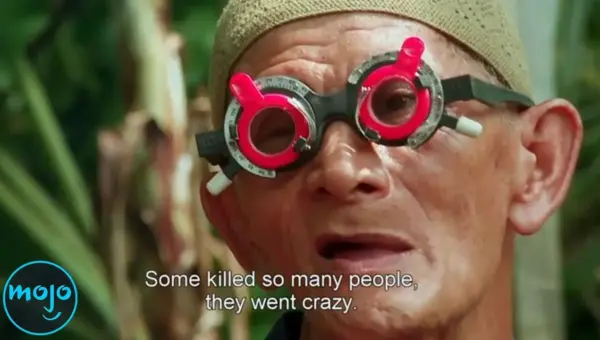
Secret Docs Uncover Dark Truths
Some of the most revealing documentaries are filmed in secret, capturing uncomfortable truths without anyone knowing. From the gritty streets to hidden cults, these films risk danger to expose what lies beneath the surface. "Life of Crime" shows street crime, "Kumare" exposes fake gurus, and "Under the Sun" reveals North Korea's staged reality. These secret documentaries offer a raw and often unsettling look at our world.
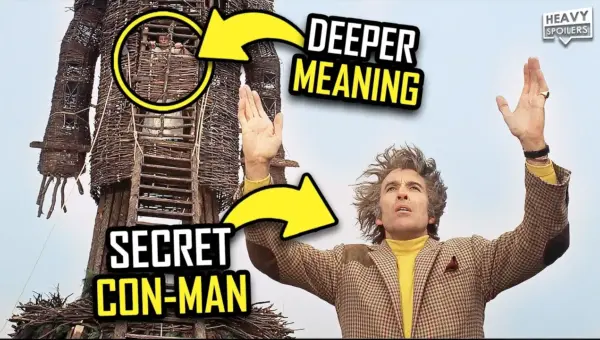
Wicker Man’s Twisted Genius Still Haunts Horror Fans
Decades after its release, 1973's 'The Wicker Man' continues to chill audiences with its unique blend of pagan rituals, unsettling atmosphere, and a shocking finale. This British horror masterpiece, shot mostly in daylight, redefined the genre by focusing on psychological dread over gore, leaving a lasting legacy on cult cinema.


Screen’s Worst Role Models: Top 10 Bad Influences Revealed!
From charming rogues to manipulative leaders, Watch Mojo reveals the top 10 movie characters who are terrible influences. These characters might be entertaining, but their questionable morals and bad decisions are definitely not worth emulating in real life. The list is inspired by the new board game, Terrible Influence.