Middle East War Sparks Farmer Crisis in US
American farmers are facing a severe cost crisis as the war in the Middle East drives up prices for essential supplies like fertilizer and fuel. The conflict's disruption to global shipping routes is creating economic hardship, adding to existing challenges from trade wars and market fluctuations. Farmers are calling for stability and open markets rather than bailouts.

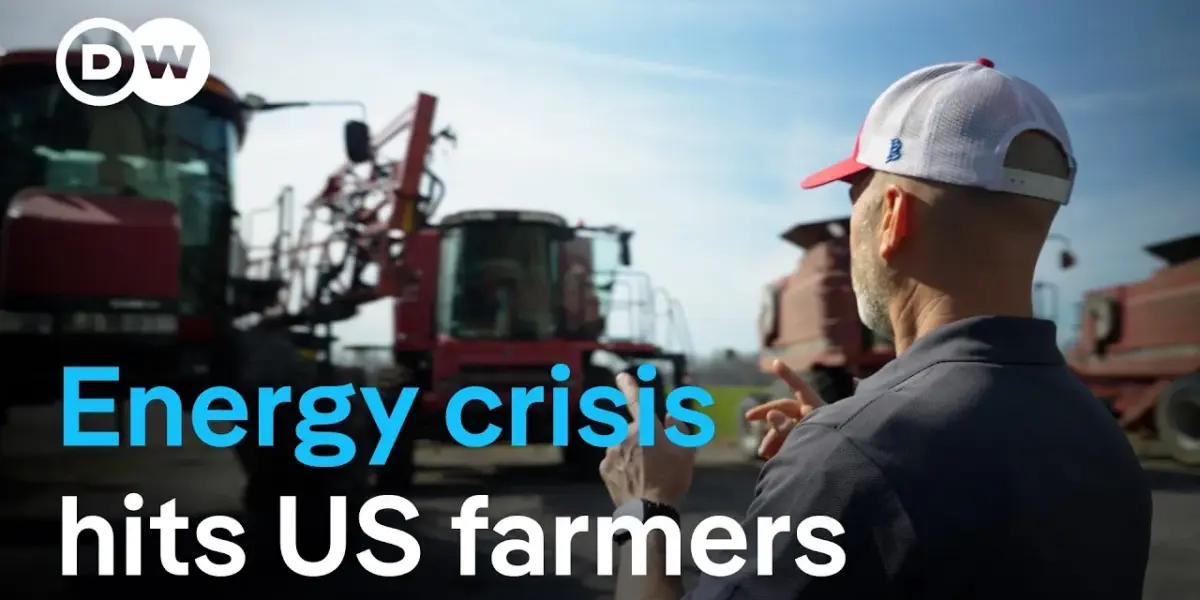
Farmers Face Soaring Costs Amidst Global Conflict
As the spring planting season approaches across the American corn belt, farmers are grappling with a sudden surge in costs. A war in the Middle East has sent prices for essential farming supplies like fertilizer and diesel fuel skyrocketing. This global conflict, thousands of miles away, is creating significant economic pressure on American agricultural producers preparing for the crucial planting season.
Sudden Price Hikes Leave Farmers Stunned
Scott Gaffner, a farmer from Greensville, Illinois, experienced this shock firsthand. A routine call to a supply cooperative for fertilizer prices left him astonished. He learned that the price of ammonia, a key fertilizer component, jumped from $970 to $1,200 for the same commodity in just a 20-minute window. “You know, 20 minutes ago on anhydrous ammonia it would have been $970,” Gaffner recounted. “He said, but now it’s going to be $1,200 for that same commodity. It changed within a 20-minute period of me calling him this morning before you got here.”
Global Supply Lines Under Threat
The conflict’s impact stems from disruptions to vital global shipping routes. The closure of the Strait of Hormuz, a critical waterway for global oil and fertilizer transport, and attacks on energy infrastructure have directly driven up costs. This strait handles a significant portion of the world’s oil and fertilizer. While many farmers had already secured their fertilizer orders before the war, they are now bracing for a prolonged period of higher input prices. These increased costs could significantly reduce their profit margins for years to come.
A Cascade of Crises for Agriculture
April Hems, a farmer in Hampton, Iowa, sees the current energy and supply shock as the latest in a series of challenges facing the agricultural sector. “We used to say, ‘What’s the black swan event?’ And I go, there’s no more black. They’re all black swans now,” Hems said, describing the unpredictable nature of recent crises. She expressed a longing for stability, hoping for “somebody somewhere to raise the flag” for a better situation.
Lingering Effects of Trade Wars and Market Fluctuations
The current situation is compounded by ongoing issues from previous trade disputes and market conditions. US soybean exports to China, a primary market, have not fully recovered since the trade war. Additionally, worldwide record harvests have pushed down commodity prices. Tariffs on imported farming chemicals and equipment have also strained farmers’ budgets. The war in the Middle East adds another layer of difficulty to an already challenging economic environment.
Tight Margins Force Difficult Decisions
Farmers are struggling because commodity prices have not kept pace with inflation or the rising cost of essential inputs. “Our commodity prices really haven’t kept up with inflation with the price of our inputs. So our margins are very very small,” explained one farmer. This forces difficult choices, including selling crops at a loss to make room for the next harvest. “So what we’re doing now is just, you know, you watch the markets and plan as much as we can and if we have to sell, you know, we have to sell even at a loss because, you know, we’ll have another crop coming on and need room in the bins,” the farmer added. They rely on the understanding of their bankers to navigate these tough times.
Fuel Costs Add to the Burden
Mark Guy, a fellow farmer and long-time friend of April Hems, is also facing significant financial challenges. A small delay in purchasing fuel before the war started will now cost him substantially. He estimates the fuel needed for spring planting will be 30% higher than before the conflict began. Farming operations require extensive fuel use. Guy noted, “We have two planters like this and tillage tractors, fertilizer application tractors. Um, we will burn, you know, 300 gallons a day, maybe maybe up to 500 when we’re when we have all those machines um in operation.” This intensive fuel usage over the month-long spring work season amounts to thousands of gallons.
Calls for Stability Over Bailouts
Farmers in the Midwest are anxiously assessing how long they can absorb these increased costs. While some supported policies that led to the current situation, there is growing impatience as the economic impact is felt directly. “We may look at this in a year and say, you know what, that was the best thing we did… But right now, we’re very anxious because it’s hitting us in the pocketbook and it’s very, it’s very hard,” one farmer expressed.
Government Aid and Farmer Priorities
The government has offered some assistance, including a $12 billion package announced in December to help farmers affected by the trade war with China. Discussions are reportedly underway for an additional $15 billion relief package to address the impact of the Middle East conflict. However, farmers emphasize that their primary need is not bailouts, but rather market stability and open trade. Without these, they continue to rely on their traditional resilience, planning and planting to the best of their ability.
Looking Ahead: The Need for Predictability
As the planting season gets underway, the long-term effects of the Middle East conflict on American agriculture remain a significant concern. Farmers will be closely watching global developments and their impact on fuel and fertilizer prices. The desire for stable markets and predictable costs will likely remain a central theme for the agricultural community as they navigate an increasingly complex global landscape.
Source: Energy crisis slams US farmers | DW News (YouTube)

Related Articles


Farmers Seek Market Access Over Bailouts Amid Crisis
Illinois farmer John Yealy argues that farmers need better market opportunities, not just government bailouts, to overcome the current agricultural crisis. Escalating costs for fuel and fertilizer, exacerbated by global conflicts, are straining the industry and will eventually impact consumer prices.


Trump Courts Farmers, Promises Agricultural Boom
Donald Trump addressed farmers at the White House, promising agricultural prosperity through deregulation, tax cuts, and trade deals. He positioned himself as a champion against the policies of the Biden administration and highlighted past achievements like repealing the estate tax and easing equipment repair rules. The speech aimed to solidify support from the farming community.


Farmers Face Soaring Costs Amid Middle East Energy Crisis
American farmers are grappling with sharply rising costs for fuel and fertilizer, driven by the ongoing conflict in the Middle East. This energy crisis adds to existing economic pressures, including low crop prices and trade disputes, creating significant financial uncertainty for the agricultural sector.