Middle East War Boosts Russia’s Oil Exports, Fuels Ukraine Concerns
A new war in the Middle East has unexpectedly bolstered Russia's oil exports and revenues, raising concerns for Ukraine. As oil prices surge due to disrupted supply chains, Russia stands to gain significant financial resources, potentially fueling its war effort, while Western allies face economic strain and a dilemma over sanctions.

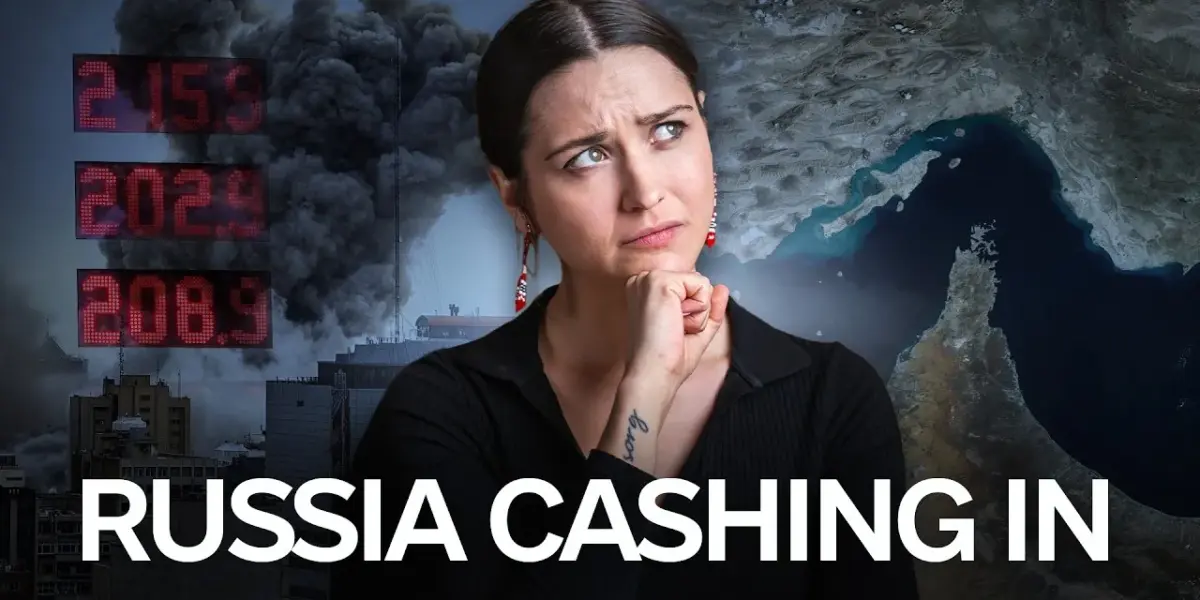
New Conflict Reshapes Global Oil Market, Benefiting Moscow
A new war erupting in February between Iran, Israel, and the United States, initially perceived as a potential blow to Moscow’s geopolitical standing, is now revealing an unexpected benefit for Russia. The conflict, which has severely disrupted global oil supply chains and sent prices soaring, has inadvertently propelled Russia back to its position as a top oil exporter. This shift has led to even Ukraine’s allies considering rolling back sanctions on Russian oil to compensate for the supply gap left by Middle Eastern producers, raising serious concerns in Kyiv about Russia’s ability to fund its ongoing war effort.
The Volatile Nature of Oil and Russia’s Dependence
The global oil market is inherently volatile, driven by the constant demand from industrialized nations. When a significant oil-exporting country is removed from the market, whether through sanctions or supply chain disruptions, other oil-producing nations are quick to fill the void and capitalize on the financial rewards. This can dramatically alter the status of exporters almost overnight.
For Russia, oil and gas are not merely economic drivers; they are foundational to the nation’s identity and infrastructure. With the world’s eighth-largest oil reserves and limited alternative major export industries compared to global powers like China, Russia’s economy is deeply intertwined with its energy sector. Even monumental national projects, like the Gazprom Tower in St. Petersburg, exemplify the state’s prioritization of its oil and gas industry, demonstrating its significance as a symbol of national pride that supersedes even historical and religious landmarks.
Sanctions and Their Mixed Impact on Russia’s War Machine
Following Russia’s full-scale invasion of Ukraine in 2022, a wave of international sanctions aimed at crippling its resource-based economy was imposed. Despite these efforts, oil and gas revenues have continued to provide trillions of rubles to the Kremlin annually. Nations like China, India, and Turkey, along with several European countries, have maintained or found indirect ways to import Russian oil. Russia has also employed a “shadow fleet” of vessels to circumvent sanctions and continue its exports illicitly.
However, sanctions have not been entirely ineffective. While Russia may still be earning revenue, its total oil and gas revenues reportedly fell by 24% last year, reaching their lowest point since 2020. Countries still purchasing Russian oil have done so at significantly reduced prices, further impacting profits. Ukraine has strategically targeted Russian refineries with drone attacks to disrupt supply chains before oil even reaches the export stage. While individual sanctions or attacks may not be decisive, their cumulative effect over time is intended to erode Russia’s economic and security capabilities, potentially forcing Moscow to reconsider the sustainability of its war.
“Russia is a commodity exporting country. I mean typically oil and energy have accounted for something like 40% of exports and more or less the same in terms of budget receipts but other commodities metals um grain I mean they account for probably around another 40%. So it’s a commodity driven economy um you know oil is it it it run it drives Russia basically.”
“Fortress Russia” and the Erosion of Economic Buffers
Economist Tim Ash explains that the Russian economy, though commodity-driven, has shown resilience due to President Putin’s preparation. Russia had built substantial foreign exchange reserves and implemented a “fortress Russia” economic policy, characterized by tight fiscal and monetary measures, to mitigate vulnerabilities to sanctions.
Despite these preparations, Ash notes that sanctions have begun to erode these buffers. Recent data indicates significant drops in energy imports and production, with Russian oil trading at a substantial discount. Some key buyers, like India, have reduced their purchases due to renewed pressure and the impact of specific sanctions on Russian oil entities. This has led to challenges for Russia in exporting and selling its products, with a notable increase in Russian oil held on tankers globally. The increased scrutiny and actions against the “shadow fleet” have also begun to weigh on Russian export revenues.
While official figures show a significant drop in Russia’s GDP, high inflation, and rising interest rates, Ash cautions against predicting imminent collapse. He highlights Russia’s ability to divert resources to defense spending, a strategy that can sustain the war machine even amidst economic hardship for its population, enabled by an authoritarian regime and repression.
The Middle East Conflict’s Impact on Global Oil Prices
The ongoing conflict in the Middle East has dramatically altered the oil market. With the invasion of major oil producers like Venezuela and Iran, and disruptions in critical shipping lanes such as the Strait of Hormuz due to attacks on tankers and infrastructure, global oil supplies have tightened significantly. This has led to a surge in oil prices, with crude oil briefly reaching nearly $120 a barrel in early March before stabilizing in the high $80s.
For Russia, this price surge is a significant financial boon. With its 2026 budget setting a baseline oil price of $59 per barrel, current market prices in the $80s mean Russia is earning an estimated $20 to $30 more per barrel than projected. Analysts estimate that around 15 million fewer barrels of oil are leaving the Gulf States daily. This sustained high-price environment could allow Russia to earn over 100% more per barrel than budgeted, directly funding its war efforts, including the production of drones, ammunition, and weapons.
Shifting Alliances and the Dilemma for Western Allies
The economic strain caused by rising oil prices is not only strengthening Russia but also weakening its Western allies. Countries reliant on Middle Eastern oil are now facing domestic inflation and economic hardship, potentially leading them to prioritize internal issues over supporting Ukraine. This dynamic could force Ukraine’s allies to “turn inward,” reducing their capacity or willingness to provide aid.
Adding to the complexity, there is a noticeable contradiction in the U.S. approach. While advocating for an end to Russia’s war in Ukraine, the U.S. has begun to float the idea of easing sanctions on Russian oil and issued a waiver allowing Russian crude to be shipped to India. This marks a significant reversal from previous U.S. policy. President Trump’s rationale, framed around the need to stabilize oil prices during the Middle East conflict, contrasts with statements from his Secretary of Defense, suggesting a prolonged engagement. This inconsistency fuels Ukrainian fears that sanctions relief could provide a long-term lifeline to Russia’s war machine, potentially making peace in Ukraine less achievable.
“The Trump administration that had has basically done nothing really to support Ukraine for whatever reason came out with the sanctions on LL and Rosnft. You know, just as they were beginning to work, uh Trump decides to invade Iran and it’s pretty catastrophic in terms of its impact on the global economy. Uh probably, but also, you know, it gives Putin another lifeline. uh it will make Putin think that he can uh you know refill the coffers has more money to rebuild the military-industrial complex to wage war on Ukraine.”
The Future of Sanctions and Russia-China Relations
The potential rollback of sanctions on Russian oil presents two main scenarios. The less likely outcome is a swift end to the Middle East conflict, leading to a return to pre-conflict oil prices. In this case, Russia would benefit from the temporary price surge but would not receive a sustained boost to its war-making capabilities.
The more probable scenario is a protracted war in the Middle East, further shifting the global oil market away from traditional supply routes and increasing dependence on alternative sources like Russia. This prolonged conflict would exacerbate the financial disparity between Russia, which benefits from higher oil revenues, and Ukraine and its allies, who face increasing economic pressures. The worst-case scenario for Ukraine involves the lifting of sanctions, providing Russia with substantial financial resources to rebuild its military-industrial complex and prolong the war indefinitely. This could significantly diminish the likelihood of a peace process.
Regarding China-Russia relations, the current oil market dynamics present a complex picture. While China benefits from discounted Russian oil, rising global prices could create tension as Russia seeks higher returns. However, China’s dominant position in the relationship, its strategic oil reserves, and its role in providing economic and military support to Russia suggest it will continue to leverage the situation to its advantage, even amidst potential opportunistic maneuvering from both sides.
Looking Ahead: The Enduring Impact of Oil on Geopolitics
The war in Iran has, paradoxically, revitalized Russia’s financial standing and complicated the international response to the war in Ukraine. As the conflict in the Middle East continues, the global reliance on oil and the intricate web of sanctions and counter-sanctions will remain central to geopolitical stability. The coming months will be critical in determining whether Western allies can maintain pressure on Russia or if economic realities and shifting priorities will lead to a relaxation of sanctions, potentially prolonging the war in Ukraine and altering the global balance of power.
Source: How the war in Iran benefits Russia | Ukraine This Week (YouTube)

Related Articles

G7 Allies Clash Over Iran War Strategy, Urge Focus on Russia
G7 foreign ministers met in Paris, revealing deep divisions over the U.S. war with Iran. European allies urged the U.S. to pressure Russia, linking its actions to the conflict and fearing support for Ukraine will wane.

Ukraine’s New Strategy Cripples Russian Oil Exports
Ukraine's new multi-layered strategy is rapidly disabling Russia's oil export capabilities. By attacking loading facilities and working with allies to intercept the "shadow fleet," Ukraine is significantly reducing Russia's oil revenues, even amidst rising global energy prices.
Iran Tensions Send Oil Prices Soaring; Farmers Seek Relief
Escalating tensions with Iran are driving oil prices higher, while U.S. troop deployments to the Middle East increase. Meanwhile, American farmers are receiving relief from rising costs through regulatory changes and support measures, as devastating wildfires impact Nebraska's cattle industry.