Middle East Tensions Surge Amid Lebanon Conflict
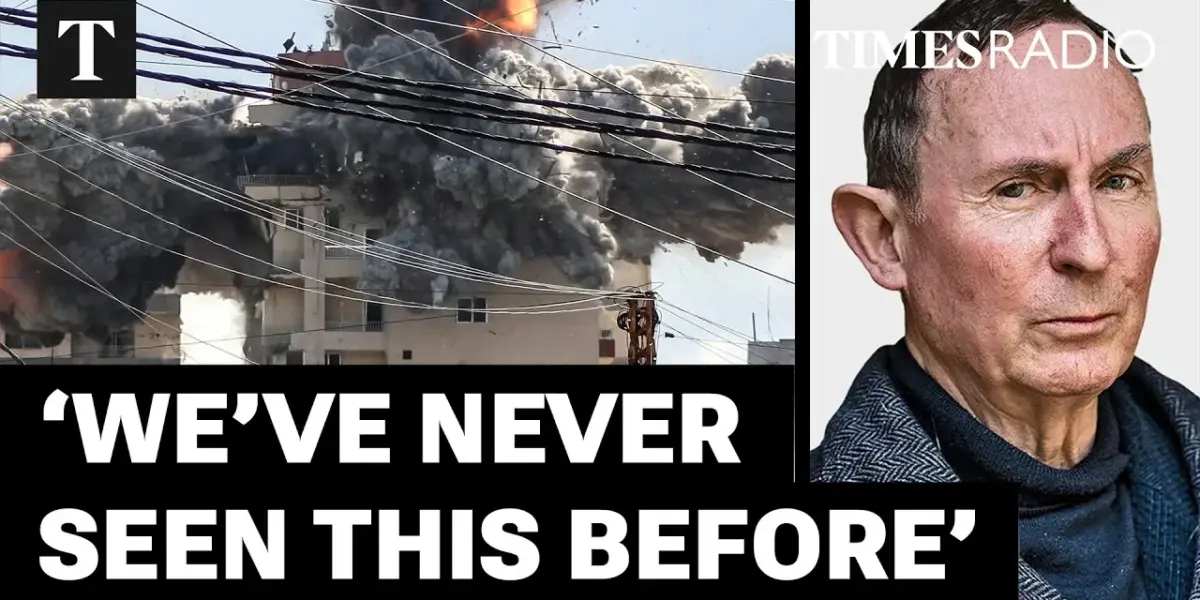
Escalating conflict between Israel and Hezbollah in Lebanon has intensified regional tensions, placing a fragile US-Iran ceasefire at risk. Israel's targeting of key Hezbollah figures, including the secretary to leader Naim Kasam, is part of a sustained campaign. International observers express deep concern over civilian casualties and the unpredictable nature of leadership contributing to the volatile situation.

Middle East Tensions Surge Amid Lebanon Conflict
The volatile situation in the Middle East has escalated dramatically, with the conflict between Israel and Hezbollah in Lebanon intensifying and threatening to destabilize the broader region. Reports indicate that Israeli airstrikes in Lebanon have resulted in significant casualties, raising deep concerns among international observers and allies. The ongoing hostilities have placed the fragile ceasefire between the US and Iran under immense strain, creating an atmosphere of unpredictability and fear.
Israel Targets Hezbollah Leadership
In a significant development, Israel announced it had killed the personal secretary and nephew of Hezbollah’s leader, Naim Kasam. The initial reports, which suggested the leader himself had been killed, were later clarified as a translation error. The individual identified as killed was Ali Ysef Haresi. This action is part of a broader strategy by Israel to systematically target key figures within Hezbollah, a group described as an Iranian proxy and a designated terrorist organization.
Hunter Williamson, a reporter based in Beirut, detailed the situation. He explained that Israel has been steadily eliminating Hezbollah leaders for years, particularly since the October 7th attack by Hamas. This latest strike, while a blow to the group, is not entirely unexpected given the ongoing campaign. Williamson noted that the targeted building, where Haresi was allegedly present, was also a site where civilians were found trapped in the rubble. This highlights the dual impact of such strikes, affecting both designated targets and civilian populations.
Gulf States Caught in the Crossfire
Former British ambassador to the US, Sir Peter Westmacott, offered insights into the predicament of Gulf states caught between the escalating tensions. He suggested that these nations are largely bystanders, paying a price for the actions of Israel and America without being integral to the strategy against Iran. While some may have privately encouraged a more assertive stance against Iran, they lack significant leverage to influence the course of events. Westmacott indicated that the UK’s ability to assist its Gulf allies in this context is limited, underscoring the complex geopolitical dynamics at play.
Concerns Over Ceasefire and Diplomacy
The escalating conflict in Lebanon casts a shadow over ongoing diplomatic efforts. As negotiations were set to begin in Islamabad, US Vice President JD Vance reportedly urged Israel to exercise restraint in its bombing campaigns in Lebanon. This sentiment reflects a broader international desire to de-escalate the situation and prevent a wider regional war. However, the deep-rooted nature of the conflict between Israel and Hezbollah, which operates with significant autonomy within Lebanon, presents a formidable challenge to diplomatic solutions.
Analysts noted the complex position of the Lebanese government, which finds itself in an awkward situation dealing with Hezbollah’s de facto state-within-a-state status. The group’s military capabilities exceed those of the Lebanese armed forces, and it operates without constitutional accountability to civilians. The hope for peaceful coexistence between southern Lebanon and northern Israel remains, but it hinges on Hezbollah also exercising restraint.
Unpredictability and Leadership Concerns
The broader geopolitical landscape is further complicated by concerns over unpredictable leadership. Comments were made drawing parallels to the film ‘Dr. Strangelove,’ suggesting a sense of a leader acting erratically. There are worries about a growing split between the military and responsible figures within the White House, particularly concerning the actions and rhetoric of Donald Trump. This unpredictability is seen as a dangerous element in an already tense global environment.
The role of the Republican party in addressing these concerns was also questioned, with a lack of public criticism noted. The potential for isolationism within the MAGA movement and Trump’s perceived belief in remaining in power indefinitely add to the uncertainty. The situation is described as a perilous one, where a leader might act without immediate electoral consequence for their actions.
Diplomatic Levers and Influence
The effectiveness of diplomatic pressure is being questioned, particularly regarding the UK’s ability to influence events. Despite declarations of intent to exercise diplomatic pressure, the lack of concrete levers or significant influence leaves nations like the UK feeling like bystanders. This perceived lack of power is compounded by a sense of being held in contempt by various parties in the Middle East and potentially by influential global leaders. Furthermore, recent comments regarding NATO have raised concerns about the long-term credibility of international alliances.
The discussion highlighted the ineffectiveness of threats in diplomacy, with Trump’s approach to Iran being cited as an example. Empty threats are seen as foolish, while non-empty ones are dangerous. The reliance on threats rather than constructive diplomacy is viewed as a flawed strategy that fails to achieve lasting peace or stability in volatile regions.
Looking Ahead
As negotiations commence and tensions remain high, the focus will be on whether diplomatic channels can yield de-escalation or if the region is heading into further unpredictable conflict. The actions of key players, particularly concerning the Israel-Hezbollah conflict and the broader US-Iran dynamic, will be closely watched. The ability of international bodies and individual nations to exert meaningful influence remains a critical question for regional stability.
Source: Iran Conflict Moving Into Uncharted And Unpredictable Territory | AN Wilson (YouTube)

Related Articles

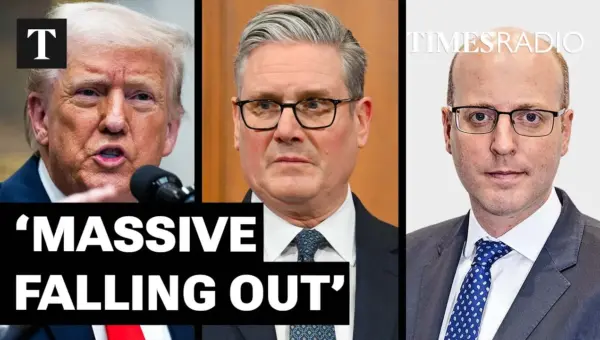
US Furious With UK Over Iran War Stance, Allies Face Fallout
The United States is reportedly furious with the UK's stance on the Iran conflict, threatening to reassess allied support. Prime Minister Keir Starmer has voiced frustration with global leaders like Trump and Putin impacting energy bills, while the UK's own defense plans face delays amid international fallout.
Iran Outmaneuvers Trump, Dominates Strait of Hormuz
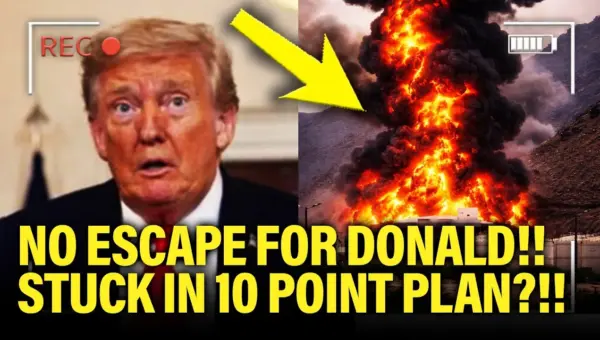
Iran appears to have outmaneuvered Donald Trump, gaining control over the Strait of Hormuz and disrupting global oil shipments. The situation is rooted in a disputed ceasefire agreement, with Iran claiming the U.S. is backtracking on terms that included Lebanon.
Iran Demands Full Control Over Strait of Hormuz
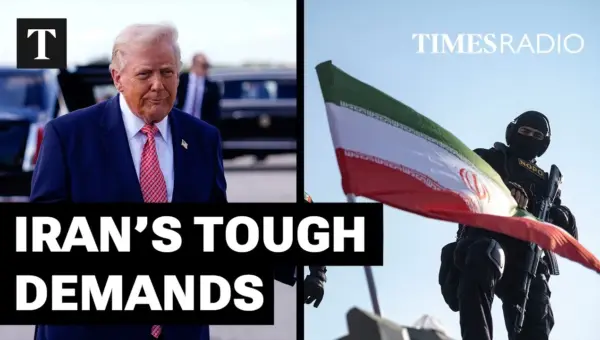
Iran is pushing for maximum control over the Strait of Hormuz, presenting a maximalist demand in ongoing negotiations. Deep disagreements persist between key global players, particularly concerning Iran's nuclear ambitions and the stability of a potential ceasefire. The clarity and unity of negotiating teams remain uncertain, adding further complexity to the delicate geopolitical situation.