Middle East Tensions Spark Oil Rally, Inflation Fears
Renewed Middle East conflict and a U.S. naval blockade of the Strait of Hormuz have sent oil prices soaring and sparked fears of a 1970s-style economic crisis. Investors are watching closely as rising oil costs threaten to worsen inflation and force the Federal Reserve into difficult interest rate decisions.

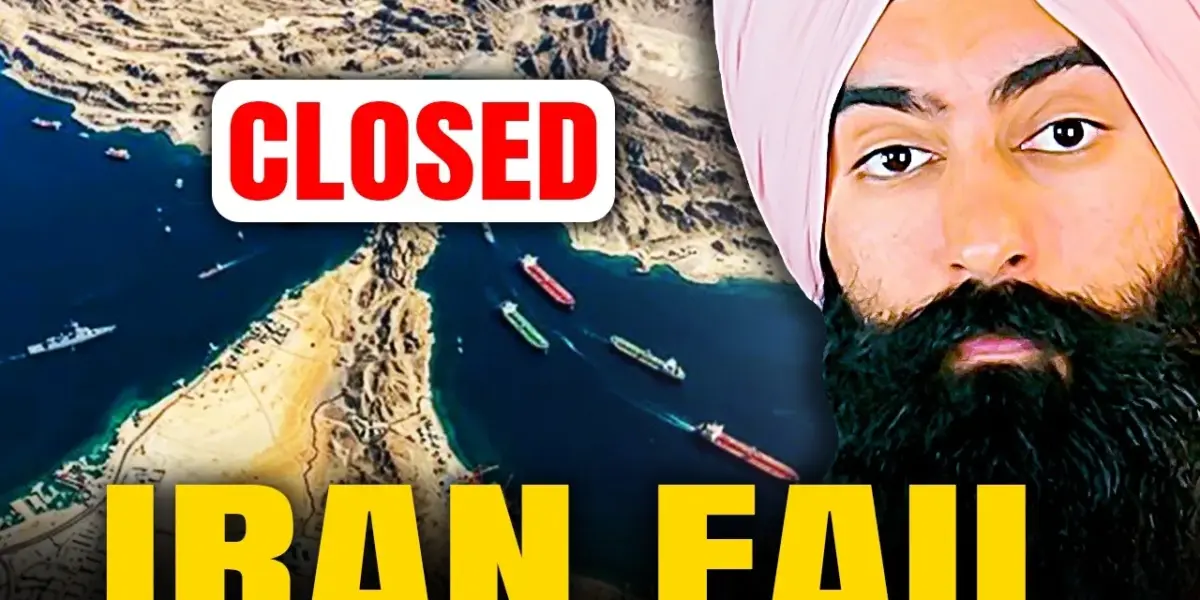
Middle East Tensions Spark Oil Rally, Inflation Fears
Global markets reacted nervously as a potential ceasefire between the United States and Iran faltered, leading to renewed conflict and a significant spike in oil prices. President Trump announced an immediate naval blockade of ships entering or leaving the Strait of Hormuz, a critical waterway for global oil transport. This development sent stock futures lower and oil futures higher, as investors anticipate a worsening economic situation.
The current events are drawing parallels to the economic conditions of the early 1970s. Back then, a combination of factors led to high inflation and a severe stock market crash. These factors included the U.S. dollar being taken off the gold standard, allowing for increased money printing, and a Middle East conflict known as the Yom Kippur War in 1973, which caused oil prices to surge.
Echoes of the 1970s?
Investors are concerned that history might repeat itself. In the 1970s, three key events unfolded:
- Money Printing: In 1971, President Nixon removed the U.S. dollar from the gold standard. This gave the Federal Reserve more freedom to print money, leading to increased government spending and subsequent inflation.
- Middle East Conflict: The Yom Kippur War in 1973 caused a dramatic rise in oil prices.
- High Interest Rates: To combat inflation and stabilize the dollar, interest rates were raised significantly. This ultimately triggered a deep recession and a major stock market downturn.
Today, similar conditions are emerging. Since the 2020 pandemic, the Federal Reserve has engaged in substantial money printing, and the government has increased spending through various stimulus programs. This has contributed to rising inflation. Additionally, the current conflict in the Middle East has led to a spike in oil prices, mirroring the second factor from the 1970s.
The Debt Dilemma
However, the current economic landscape differs significantly from the 1970s, particularly concerning national debt. The U.S. now carries nearly $40 trillion in national debt. A major portion of government spending is dedicated to interest payments on this debt, which is a growing concern.
Unlike a fixed-rate mortgage, U.S. government debt often carries variable interest rates. Furthermore, the terms of these loans are becoming shorter, with more one-year and two-year loans replacing longer-term ones. This means that when the Federal Reserve raises interest rates, the cost of servicing the national debt increases more rapidly. This could force the government to print even more money to cover these costs, potentially worsening inflation.
Oil Prices and Inflation’s Reach
The Strait of Hormuz is a vital chokepoint through which a significant portion of the world’s oil supply passes. Iran’s ability to disrupt shipping in this region gives it economic leverage. By making oil transport more difficult, supply decreases, driving up prices. Higher oil prices directly impact consumers through more expensive gasoline, and indirectly affect the cost of groceries, shipping, and travel.
When oil prices rise, inflation typically worsens. The Federal Reserve has two main tools to fight inflation: reducing the money supply or raising interest rates. In the 1970s, the Fed aggressively raised interest rates, reaching around 20% at one point. This policy, while curbing inflation, led to a severe recession and a market crash, with the Dow Jones Industrial Average falling nearly 50%.
The Fed’s Tightrope Walk
Today, the Federal Reserve faces a similar dilemma. If oil prices remain elevated, inflation could continue to rise. This puts pressure on the Fed to raise interest rates to control prices. However, raising interest rates further could deepen economic slowdowns and negatively impact industries that rely on borrowing, such as housing and private credit markets.
Many businesses, especially those that borrowed heavily at near-zero interest rates in 2020-2022, are already struggling with higher interest payments on their adjustable-rate loans. A further increase in rates could lead to more defaults and financial stress across Wall Street. The hope for lower interest rates, which would allow these businesses to refinance, may be dashed if oil prices keep climbing.
Stagflation Fears
The scenario of high inflation combined with a slowing economy is known as stagflation. This was a painful period in the 1970s, where prices rose rapidly while incomes stagnated or fell. The current situation, with already rising inflation and potential economic headwinds, raises concerns about a repeat of stagflation.
The average American is feeling the pinch. Inflation erodes purchasing power, meaning more dollars are needed to buy the same goods and services. While asset prices like stocks and real estate may rise during inflationary periods, benefiting the wealthy and financially savvy, everyday costs increase for most. Data suggests that between 2020 and 2026, wage growth has not kept pace with reported inflation, and many individuals feel the real inflation experienced is even higher.
Market Impact and Investor Strategy
The unfolding events highlight the interconnectedness of the global economy. Higher oil prices, geopolitical instability, and central bank policy decisions create a complex environment for investors. While market downturns can be unsettling, they also present opportunities.
Historically, periods of economic contraction and market crashes have created significant wealth for those who are prepared. Long-term investors can view market dips as chances to acquire assets at discounted prices. Strategies like investing in broad market Exchange Traded Funds (ETFs), such as those tracking the S&P 500, can offer exposure to the U.S. economy’s long-term growth potential, even amidst short-term volatility.
Understanding these economic dynamics is crucial for personal financial planning. The White House and government policies do not guarantee individual financial security; proactive investment and financial literacy are key. Staying informed about market trends and understanding how global events impact personal finances empowers individuals to make informed decisions.
This article is for informational purposes only and does not constitute financial advice. Investing involves risk, and past performance is not indicative of future results. Always conduct your own due diligence before making investment decisions.
Source: Trump Just Declared War on Oil — Here's What It Means for Your Money (YouTube)

Related Articles
US Navy Blockades Strait of Hormuz Amid Global Tensions
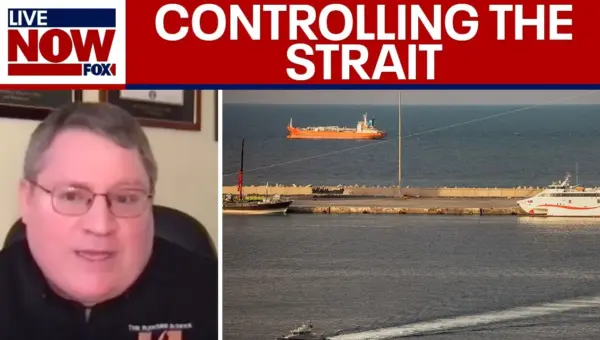
The US Navy has initiated a blockade of the Strait of Hormuz, a vital global shipping lane, in response to Iran's actions. This move is already impacting global oil prices and prompting international coalitions to form for maritime security. The situation remains tense, with a focus on diplomatic solutions and ensuring freedom of navigation.
Oil Surges Past $100 on Iran Blockade Fears
Global oil prices have surged past $100 per barrel amid fears of supply disruptions following the U.S. announcement of a blockade targeting Iranian oil exports via the Strait of Hormuz. This critical waterway handles 20% of global oil supply, and the blockade risks escalating geopolitical tensions and further damaging an already fragile global economy.
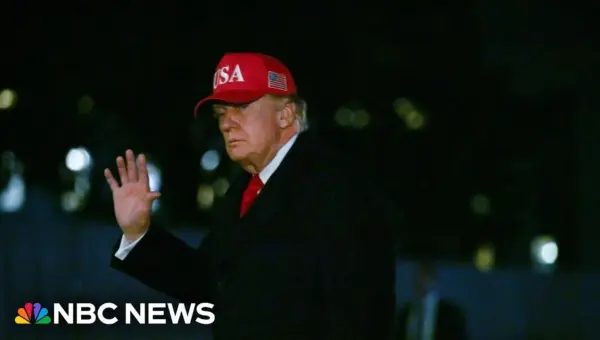
US Blocks Strait of Hormuz, Oil Prices Surge Amid Iran Tensions
Tensions between the U.S. and Iran escalated as the U.S. began blocking ships in the Strait of Hormuz, causing oil prices to surge. The move followed the breakdown of talks in Pakistan, where key disagreements over Iran's nuclear program persisted. Meanwhile, the Pope and President Trump exchanged public criticisms, and the Artemis II astronauts successfully returned to Earth after a historic lunar mission.