Middle East Tensions Send Stocks Tumbling, Oil Prices Surge
Global markets experienced a sharp downturn today, marking the worst day for stocks since the heightened tensions with Iran earlier this year. The S&P 500 index slumped 1.7%, reflecting widespread investor anxiety. This market reaction occurred as President Trump initially threatened strikes on Iran's energy infrastructure and set a deadline for Iran to reopen the Strait of Hormuz. The uncertainty surrounding the conflict sent oil prices higher, adding to market fears.

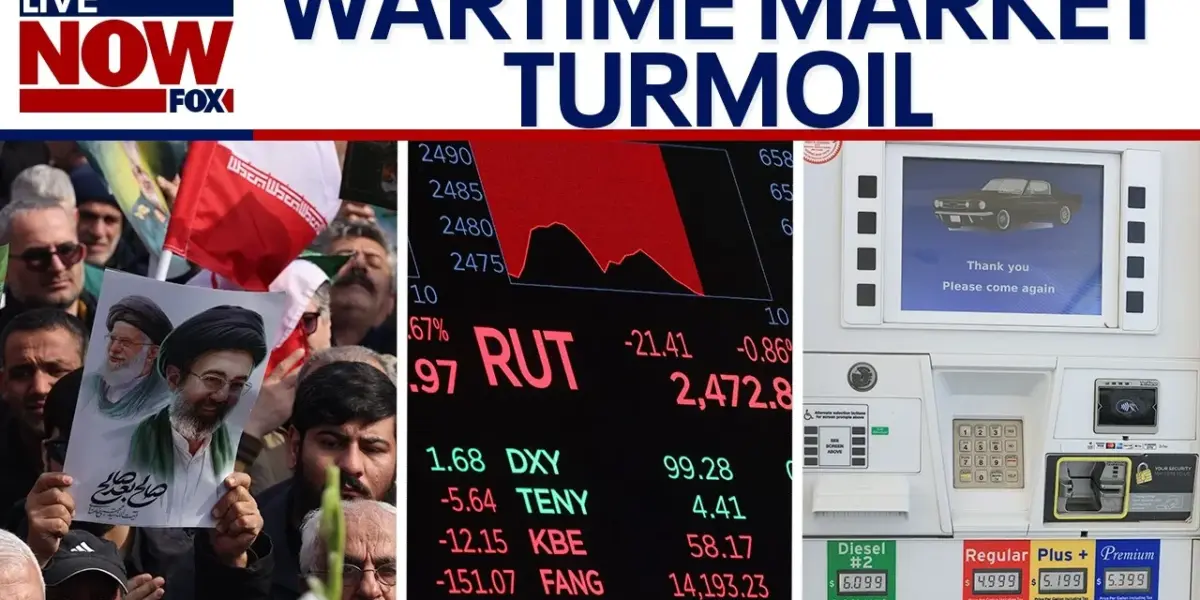
Stocks Plunge Amid Mideast Tensions, Oil Prices Climb
Global markets experienced a sharp downturn today, marking the worst day for stocks since the heightened tensions with Iran earlier this year. The S&P 500 index slumped 1.7%, reflecting widespread investor anxiety. This market reaction occurred as President Trump initially threatened strikes on Iran’s energy infrastructure and set a deadline for Iran to reopen the Strait of Hormuz. The uncertainty surrounding the conflict sent oil prices higher, adding to market fears.
President Trump Pauses Strike Threat, Offers Olive Branch
In a late-day development, President Trump announced via social media that he was pausing the threatened strikes on Iran’s energy infrastructure for 10 days. This decision came at the request of the Iranian government and extended the deadline for negotiations. The president stated, “I’m pausing the period of energy plant destruction to 10 days to Monday, April 6, 8:00 p.m. Eastern time.” This move offered a glimmer of hope as diplomatic talks continue between the two nations amid the ongoing conflict.
Market Volatility Linked to Geopolitical Uncertainty
Economic strategist Dan Veron joined the discussion, explaining the market’s reaction to the unfolding events. “The markets hate uncertainty,” Veron stated, noting that the conflict in Iran has created daily waves of unease. He highlighted the bond market as a key indicator, explaining that rising yields on the 5-year and 10-year Treasury notes initially signaled investor worry. These rising yields can impact mortgage rates and interest rates, and potentially signal a change in Federal Reserve policy.
Bond Market Signals Investor Confidence
Veron elaborated on the significance of the bond market, describing it as a barometer of future economic direction and investor confidence. “The bond market also clearly states confidence one way or another,” he said. When the 10-year Treasury yield neared 5%, it sent a negative signal about the overall economic outlook. However, following President Trump’s announcement to pause the strike threat, market sentiment began to shift. Dow futures showed gains in after-hours trading, rising by 150 points, indicating a more optimistic outlook after the initial sell-off.
Oil Prices Driven by Global Factors, Not Just US Supply
Despite the United States being a net energy exporter, oil prices are dictated by global market dynamics. Veron explained that while US oil benchmarks like WTI are important, international prices are often higher. The current challenge isn’t just the price per barrel of oil, but its ripple effect throughout the economy. Rising diesel prices, in particular, are a major concern. Diesel fuel powers the transportation of goods, impacting everything from grocery prices to the cost of air travel.
Diesel Prices Fuel Inflation Concerns
The increase in diesel costs directly affects the logistics of the US economy. Trucks that deliver food and other goods face higher operating expenses. These additional costs are often passed on to consumers, as businesses with tight profit margins cannot absorb them. Similarly, rising jet fuel prices can impact the cost of summer vacations and business travel. Veron emphasized that the conflict in the Middle East needs a swift resolution to stabilize these crucial economic factors.
Watching the Bond Market for Future Direction
Looking ahead, Veron stressed the continued importance of monitoring the bond market. “The bond markets will tell us whether or not they see this as believable,” he said regarding progress in negotiations or the conflict’s resolution. A sustained rise in the 10-year Treasury yield above 5% would signal a serious problem. Conversely, positive developments could lead to a stronger bond market, followed by a recovery in stocks and a stabilization of oil and goods prices.
Administration’s Role in Easing Market Fears
The Trump administration can help alleviate market fears by demonstrating a clear path toward resolving the conflict or ensuring the stable flow of oil. Veron suggested that showcasing progress in negotiations or confirming that oil is moving through alternative routes could reassure investors. The administration is actively working on these fronts to bring stability back to both the geopolitical situation and the global markets.
Source: Middle East update: Stocks tumble in worst day since Iran conflict (YouTube)

Related Articles

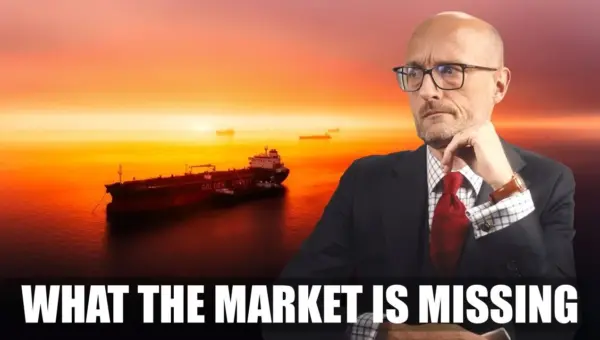
Stocks Ignore War Risks, Focus on “Taco Moments”
Stock markets appear to be overlooking the severe supply chain risks stemming from the Iran conflict, focusing instead on potential diplomatic de-escalations. While the S&P 500 shows resilience, bond and commodity markets signal deep concern over disruptions to critical resources like LNG, helium, and fertilizers.


US Strikes Cripple Iran’s Military Might, CENTCOM Reports
U.S. Central Command reports ongoing strikes inside Iran are significantly weakening its military power. This direct action aims to reshape regional security dynamics, but carries risks of escalation. The long-term impact depends on Iran's response and ability to adapt.

U.S. Iran Tensions Rise Amid Shifting Alliances
Rising tensions between the U.S. and Iran are creating a volatile geopolitical situation. With conflicting signals on de-escalation and potential shifts in alliances like NATO and U.S.-Israel relations, the path forward remains uncertain. The global economy and regional stability hang in the balance.