Middle East Tensions Flare: US Sends More Troops Amidst Escalating Attacks
The Middle East is experiencing escalating attacks, with Iran, UAE, and Saudi Arabia reporting new strikes. The US is deploying thousands more troops as Israel maintains its war goals without a set timeline. Rising oil prices and airport disruptions due to a government shutdown are also impacting Americans.

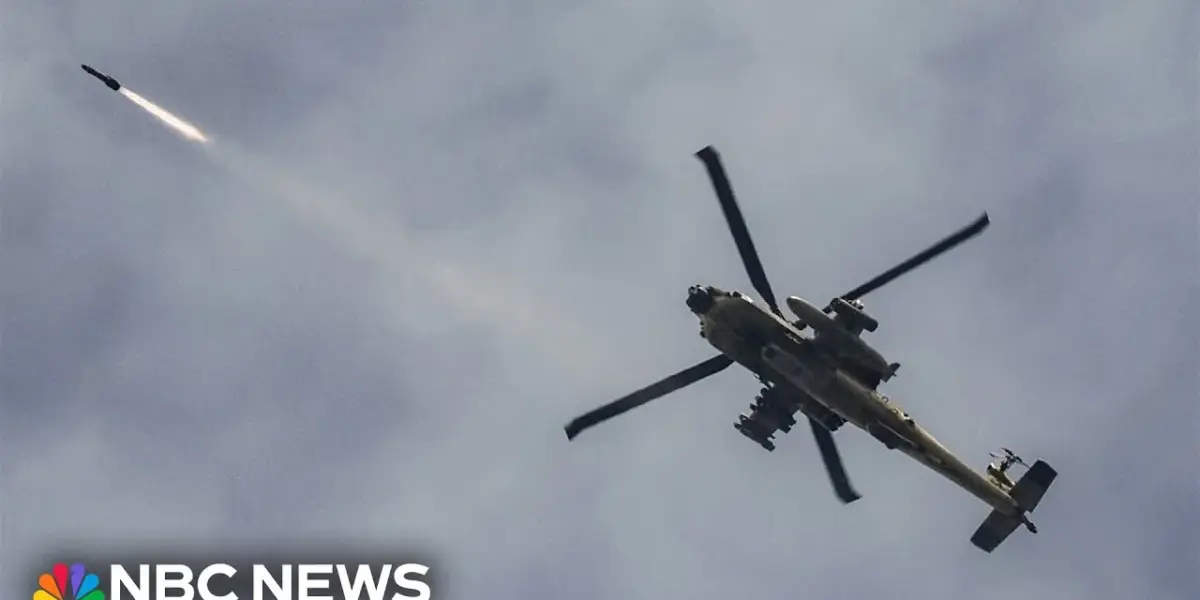
Middle East Conflict Escalates Amidst New Attacks and US Troop Deployment
The ongoing conflict in the Middle East intensified overnight with escalating attacks and retaliatory strikes involving Iran, the UAE, and Saudi Arabia. Israel also announced a new wave of strikes on Iran’s capital, Tehran. In response to the rising tensions, the United States is accelerating the deployment of thousands of additional Marines and sailors to the region in the coming days, according to sources familiar with the decision.
Israel’s War Aims and Timeline Under Scrutiny
In an interview with NBC News Chief Foreign Correspondent Richard Engel, Israeli Prime Minister Benjamin Netanyahu addressed the war’s end and future plans. When asked about the possibility of Israel dragging the United States into the conflict, Netanyahu dismissed the idea as “ridiculous.” He stated that Israel has “concrete goals” to “decimate the ballistic missile program” and the “nuclear program,” which he believes are achievable. However, he declined to provide a specific timeline for the war’s conclusion, emphasizing that goals must be achieved rather than counting the days.
Netanyahu reiterated that there is no set timeline for the war, a point that may disappoint those, particularly in the United States, urging a swift resolution. He also mentioned that President Trump had previously advised against striking a specific Iranian oil field that had caused controversy. Despite Iranian claims of striking major energy installations in Israel, authorities reported only very minor damage in Haifa, suggesting that Iranian attacks are not as effective as claimed.
US Troop Surge and Domestic Concerns
The decision to deploy thousands more troops to the Middle East comes as the President stated he is not planning to put troops on the ground in Iran. This deployment, however, signals a potential shift, raising concerns among those wary of further US intervention abroad. The move occurs alongside a request to Congress for an additional $200 billion for the war effort, a sum described as “staggering” and exceeding combined emergency appropriations for Iraq and Afghanistan at their peak.
Domestically, the conflict is impacting Americans through rising gas prices. NBC News Senior National Politics Reporter Jonathan Allen spoke with voters in Millersburg, Pennsylvania, a key swing district. While some expressed willingness to pay more at the pump for national security, others voiced frustration and regret over the war. The President’s handling of the war, including mixed messaging on timelines and troop deployments, is seen as challenging his domestic and global image, especially with a perceived lack of coordinated support from traditional US allies.
Economic Repercussions and Oil Prices
The escalating conflict has sent oil prices soaring, significantly impacting the global economy. European leaders have expressed willingness to help reopen the Strait of Hormuz, a vital shipping lane that supplies 20% of the world’s oil, once strikes cease. The blockage of this waterway is a primary driver of current economic instability.
Patrick De Haan, Head of Petroleum Analysis at GasBuddy, highlighted the financial strain on Americans, with over half a billion dollars more being spent daily on diesel and gasoline. He noted that over 20 states have seen gas prices rise by more than a dollar per gallon in the last month. While measures like waiving certain requirements for summer gasoline could offer minor relief, they pale in comparison to the impact of the Strait of Hormuz being closed. De Haan suggested that significant drops in consumer demand might only occur if prices reach record-breaking levels, potentially exceeding $5 per gallon.
Drivers are advised to mitigate costs by slowing down, shopping around for lower prices using apps like GasBuddy, and utilizing loyalty programs or wholesale clubs, which could collectively save consumers 25-30% on their gasoline bills.
Airport Disruptions Amidst Government Shutdown
Adding to the national concerns, a partial government shutdown is causing significant disruptions at airports. TSA agents, working without pay for weeks, are calling out sick in record numbers, with some quitting altogether. This, combined with the ongoing spring break travel season and severe weather, has led to extended wait times at security checkpoints across the country. Atlanta’s Hartsfield-Jackson International Airport, the world’s busiest, has seen wait times approaching two hours at its main checkpoint. While senators have met with the White House to negotiate an end to the shutdown, no deal has yet been struck, raising fears that airport headaches will worsen.
Weather Extremes: Heat and Flooding
The nation is experiencing a stark contrast in weather conditions. Much of the Western and Central US remains under heat alerts, with temperatures significantly above average for this time of year. Cities like Phoenix are facing triple-digit heat, while Denver is experiencing summer-like conditions. This prolonged heat also contributes to an increased fire threat in some middle-country regions due to gusty conditions and low humidity.
Conversely, the Pacific Northwest is dealing with atmospheric river events, leading to flood alerts. Heavy rainfall is causing waterways to remain at flood stages, with significant precipitation expected to continue, resulting in soggy conditions across the region.
Looking Ahead
As the Middle East conflict continues to unfold, global attention remains fixed on potential diplomatic solutions and the economic fallout. The US troop deployment and the requested war funding will be closely watched by Congress and the public. Meanwhile, Americans continue to grapple with the dual pressures of high fuel costs and the ongoing government shutdown’s impact on travel, all set against a backdrop of extreme weather patterns across the country.
Source: This Morning’s Top Headlines – March 20 | Morning News NOW (YouTube)

Related Articles
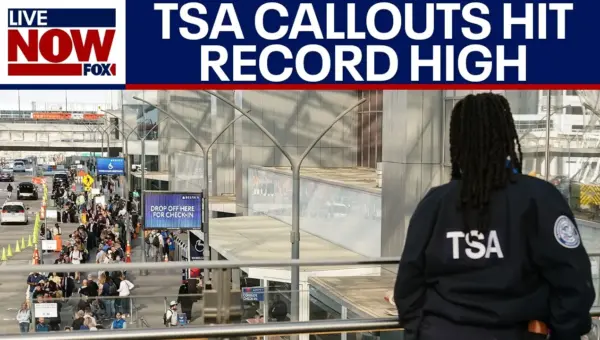
TSA Workers Get Paid After Record Absences
TSA agents will finally receive paychecks after working nearly six weeks without salary, following a directive from President Trump. Record high absences had strained airport operations and caused significant passenger delays. The situation has sparked calls for better protections for essential workers during government shutdowns.
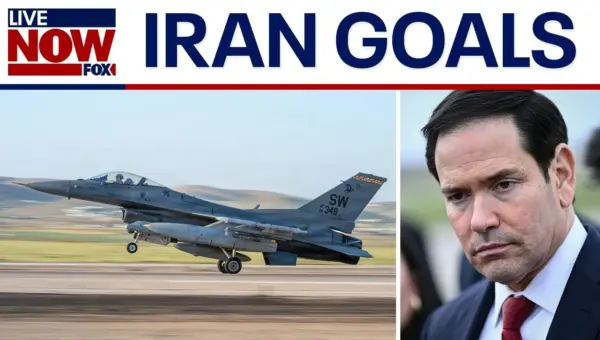
Rubio: US Can Achieve Iran War Goals Without Troops
Senator Marco Rubio outlined a strategy to counter Iran without deploying U.S. ground troops, focusing on weakening the regime and enhancing maritime security. He also criticized Cuba's economic system and expressed concerns about West Bank violence.


House Republicans Reject Senate Deal, Sparking Government Funding Clash
House Republicans have rejected a Senate bill to end the government shutdown, citing insufficient border security measures. Congressman Randy Fine called the Senate deal a "disgrace" and highlighted the ongoing fight for full government funding. President Trump's executive order to pay TSA agents offers temporary relief, but the core disagreement over border security continues to paralyze Washington.