Middle East Tensions Flare: Israel Strikes Iran’s Top Officials
Middle East tensions surge as Israel claims to have killed Iran's top security officials, while the U.S. pushes allies to help secure the Strait of Hormuz amidst rising oil prices. Separately, Cuba faces a severe energy crisis and seeks U.S. investment, as extreme weather impacts various regions across the United States.


Middle East Conflict Escalates as Israel Targets Key Iranian Figures
The ongoing conflict in the Middle East intensified this morning as Israel announced it had killed Ali Larijani, Iran’s top security official, and the head of the Iranian Revolutionary Guards’ Basij force. The Israeli military claims the individuals were eliminated in an airstrike, though Iran has not yet officially commented on the reports. This development comes as day 18 of the war begins, with President Trump insisting the conflict will not be prolonged and will ultimately lead to a safer world.
Lebanon Braces for Ground Operations Amidst Rising Displacement
The Israeli Defense Forces have issued an urgent warning to residents in southern Lebanon, urging them to move north immediately. This warning follows Israel’s announcement of a new targeted ground operation against strongholds of the Iran-backed militant group Hezbollah. The Israeli Defense Minister indicated that displaced residents from southern Lebanon would remain evacuated until peace is restored to northern Israel. This operation has already led to the displacement of an estimated 800,000 Lebanese, a significant portion of the country’s population, raising concerns about a humanitarian crisis and the potential creation of a buffer zone in southern Lebanon.
Global Ramifications: Oil Exports Drop, Gas Prices Rise
The conflict’s impact is being felt globally, particularly in the energy sector. Daily oil exports from the region are reportedly dropping, contributing to a rapid climb in gas prices in the United States. President Trump has been actively calling on reluctant U.S. allies to assist in ending an Iranian blockade on the Strait of Hormuz, a critical waterway for global oil transport. However, many European allies, including Germany, France, Italy, and the United Kingdom, have expressed reluctance to get directly involved, with some stating it is not their war. This international division highlights the complex diplomatic challenges in managing the crisis.
Washington’s Diplomatic Push and Allied Hesitation
Back in Washington, President Trump is intensifying his pressure campaign on U.S. allies to contribute to securing the Strait of Hormuz. Despite his urgent appeals, many world leaders, especially in Europe, have resisted direct involvement, citing concerns about long-term relationships and the nature of the conflict. While the U.S. and Israel have seen military successes, there is growing concern about Iran’s ability to prolong the conflict and its impact on the global economy, particularly oil prices. Military officials are reportedly presenting the President with various options to end the war, but advisors are divided on the best exit strategy, with some focusing on economic stability and others on further eroding Iran’s influence.
US-Cuba Relations at a Crossroads Amidst Energy Crisis
In a separate development, Cuba is facing a severe energy crisis, leading to rolling blackouts across the island. The nation is turning to the United States for potential commercial partnerships, with Cuba’s Deputy Prime Minister expressing openness to a fluid commercial relationship with U.S. companies and Cuban expatriates. This comes at a critical time, as the island nation struggles with an oil shortage and deteriorating conditions. However, the long-standing U.S. trade embargo presents significant restrictions, and many Cuban-American activists in Miami are skeptical, emphasizing the need for political change and guarantees before any investment. The current state of U.S.-Cuban relations is described as being at an inflection point, with the island facing immense pressure due to the blockade, internal incompetence, and corruption.
Domestic Weather Woes: From Midwest Snow to East Coast Storms
Meanwhile, the United States is experiencing a wide range of extreme weather events. The Midwest is grappling with the aftermath of a severe storm system that brought over two feet of snow to some areas, setting records in places like Green Bay, Wisconsin. Simultaneously, the East Coast is on alert for winter tornadoes, with one touching down in North Carolina. Hawaii is also cleaning up from destructive storms that caused flooding and high winds. The stark contrast continues as the Southwest faces heat warnings with record-breaking temperatures predicted, while the rest of the country deals with the lingering cold.
Legal and Sports Updates
In legal news, a Utah jury convicted children’s author Kouri Richins of murdering her husband with a lethal dose of fentanyl. Prosecutors argued she poisoned him in 2022, shortly before publishing a children’s book dedicated to him. On the sports front, Venezuela has advanced to its first World Baseball Classic final, setting up a championship game against Team USA.
Source: Morning News NOW Full Episode – March 17 (YouTube)

Related Articles

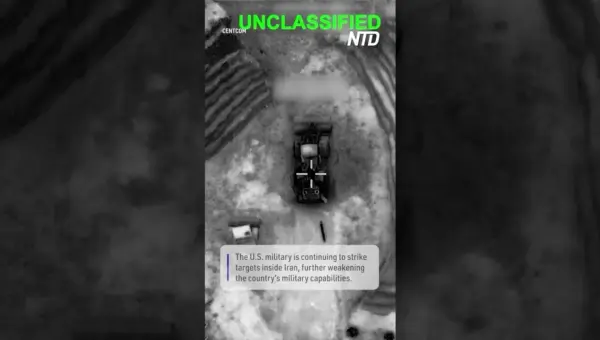
US Strikes Cripple Iran’s Military Might, CENTCOM Reports
U.S. Central Command reports ongoing strikes inside Iran are significantly weakening its military power. This direct action aims to reshape regional security dynamics, but carries risks of escalation. The long-term impact depends on Iran's response and ability to adapt.

U.S. Iran Tensions Rise Amid Shifting Alliances
Rising tensions between the U.S. and Iran are creating a volatile geopolitical situation. With conflicting signals on de-escalation and potential shifts in alliances like NATO and U.S.-Israel relations, the path forward remains uncertain. The global economy and regional stability hang in the balance.


Iran Targets US With Cyberattacks, Escalating Digital Warfare
Iran is increasingly using cyberattacks to challenge the U.S., as seen in a recent hack of the FBI director's account. Experts say this is a strategic shift due to Iran's limitations in conventional warfare. The U.S. needs to strengthen its digital defenses, focusing on encryption and cloud computing, rather than solely relying on traditional security measures.