Middle East Tensions Flare as Fragile Ceasefire Faces Major Tests
A fragile two-week ceasefire between the U.S., Israel, and Iran is facing significant challenges, marked by intensified Israeli strikes in Lebanon and continued turmoil in the Strait of Hormuz. Peace talks are scheduled for this weekend, but conflicting interpretations of the ceasefire terms and ongoing violence threaten to derail diplomatic efforts. The economic impact is already being felt, with oil prices showing volatility and markets reacting to the uncertainty.

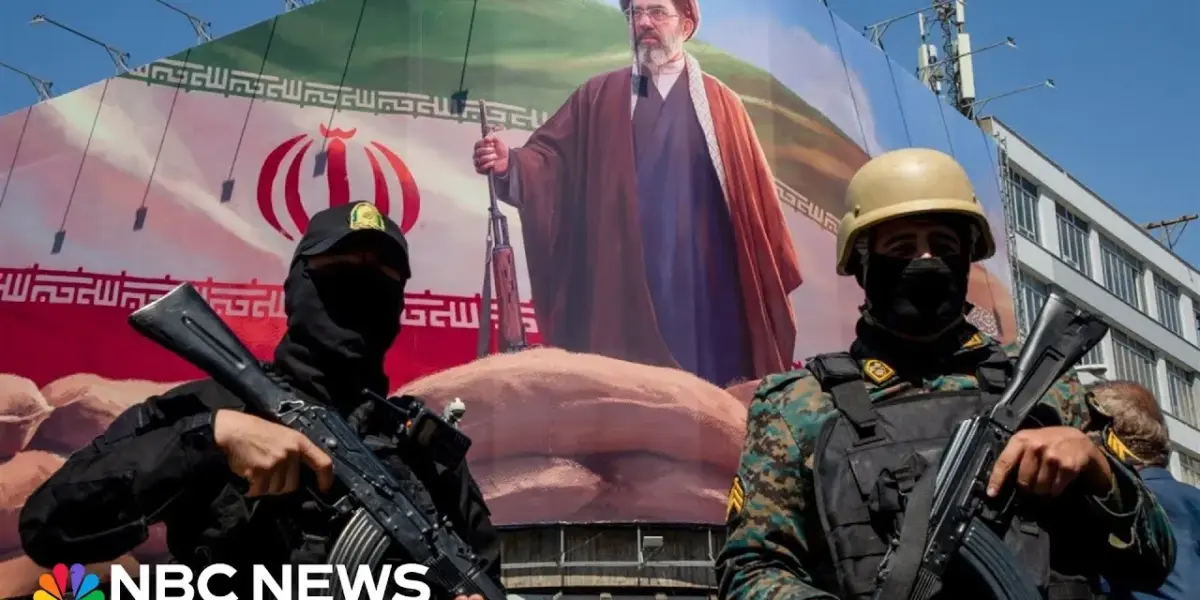
Middle East Ceasefire Under Strain Amid Escalating Violence
A fragile two-week ceasefire between the U.S., Israel, and Iran is off to a rocky start, with intense Israeli attacks on Lebanon reported overnight. These strikes followed claims by the U.S. and Israel that Lebanon was not included in the ceasefire agreement. Lebanon’s Health Ministry stated that hundreds of people have been killed or injured in the new wave of attacks, which have drawn swift condemnation from world leaders. Israel had initiated a ground invasion of Lebanon weeks prior, aiming to target the Iran-backed militant group Hezbollah.
Strait of Hormuz Remains a Critical Flashpoint
The ongoing conflict continues to impact vital global shipping routes. An Iranian news agency reported a halt in oil traffic through the Strait of Hormuz on Wednesday, just after tankers were permitted to pass. President Trump stated the U.S. would assist with the traffic buildup in the strait, while an Iranian news agency suggested naval mines have been placed in the waterway. Despite a declared ceasefire, Persian Gulf states, including the UAE and Kuwait, reported new Iranian attacks following explosions at oil sites in Iran.
U.S. Stance on Iran and Peace Talks
President Trump, via a Truth Social post, indicated that U.S. troops would remain in and around Iran until a lasting agreement is reached. He also called for Iran to abandon its nuclear weapons program and reopen the Strait of Hormuz. The President warned that if Iran fails to comply with the ceasefire, the resulting conflict would be significantly larger and more severe. These developments precede peace talks scheduled between the U.S. and Iran in Pakistan this weekend. Vice President J.D. Vance is expected to lead the U.S. delegation, focusing on Iran’s nuclear capabilities and the reopening of the Strait of Hormuz.
Conflicting Interpretations of the Ceasefire
A key point of contention is the scope of the ceasefire. Iran accuses Israel and, by extension, the U.S. of violating the terms due to the escalating strikes in Lebanon. Israel’s Prime Minister, however, stated these attacks would continue and are separate from the ceasefire. Pakistan, which is mediating the talks, initially stated the ceasefire included Lebanon, the U.S., and Israel, a claim disputed by the U.S. and Israel. Iran insists that fighting must cease in Lebanon as well.
Economic Repercussions and Market Volatility
The uncertainty surrounding the ceasefire has led to renewed concerns about global economic stability. Oil prices began to creep up overnight, signaling potential delays in lower gas prices for consumers. Disruptions to fertilizer shipments also raise concerns about potential impacts on food costs, especially during a critical period for agriculture. Wall Street saw a significant relief rally on Wednesday following the initial ceasefire announcement, with the Dow Jones experiencing its best day in a year. However, market futures suggest a reversal, with oil prices climbing back near $100 a barrel, indicating continued volatility.
War Tax Resistance Gains Traction
In a separate development, some Americans are planning to protest the war with Iran by withholding federal taxes. This form of protest, known as war tax resistance, has historical roots and is gaining traction on social media. Advocates suggest various methods, from adjusting tax withholdings to refusing to pay altogether. While experts warn of significant legal penalties, including fines and potential jail time, interest in this form of protest has surged, with organizations offering training on how to resist tax payments. The IRS notes that measuring the scope of this protest is difficult, especially early in the year.
Broader Implications and Future Outlook
The situation remains highly fluid, with peace talks in Pakistan set to be a crucial test of the current truce. The ability of the U.S. and Iran to agree on the terms of the ceasefire, particularly regarding the Strait of Hormuz and Iran’s nuclear program, will be paramount. The ongoing conflict in Lebanon and the potential for further escalation also pose significant risks to regional stability and global markets. The coming days will be critical in determining whether this fragile peace holds or if violence escalates further.
Source: This Morning’s Top Headlines – April 9 | Morning News NOW (YouTube)

Related Articles

Middle East Tensions Rise Amid Peace Talks, Epstein Files Reemerge
This Morning's Top Headlines cover escalating Middle East tensions as peace talks approach, with Iran accused of violating a ceasefire and oil prices rising. Simultaneously, First Lady Melania Trump has addressed allegations linking her to Jeffrey Epstein, denying any personal relationship. The Justice Department is also investigating the NFL over fan subscription fees, examining potential violations of a 1961 broadcasting law.

GOP Rep Slams Schumer on Iran War Vote Stance
A Republican congressman disputes Senate Minority Leader Chuck Schumer's claims about an upcoming vote on Iran military action. Meanwhile, a 56-day shutdown of the Department of Homeland Security continues amid debates over funding and immigration policy.

US Envoy Vance Navigates Pakistan Talks for Iran Ceasefire
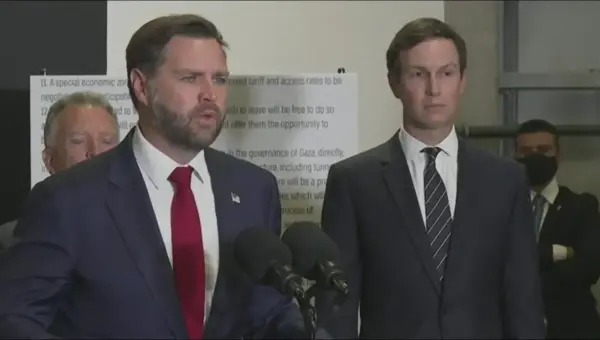
Vice President JD Vance is leading high-stakes peace talks in Pakistan with Iranian leaders, aiming to preserve a fragile ceasefire. The negotiations face uncertainty regarding Iranian representation and are complicated by Israeli military actions in Lebanon. A key U.S. demand is ensuring safe passage through the Strait of Hormuz.