Middle East Tensions: Bolton Warns of US Public Preparedness Gap
Former US national security adviser John Bolton has criticized the Biden administration's handling of the escalating Middle East crisis. He argues the public was not adequately prepared for potential military action or regime change justifications following US-Israeli strikes on Iran. The discussion highlights broader geopolitical concerns and the need for transparent communication in foreign policy.

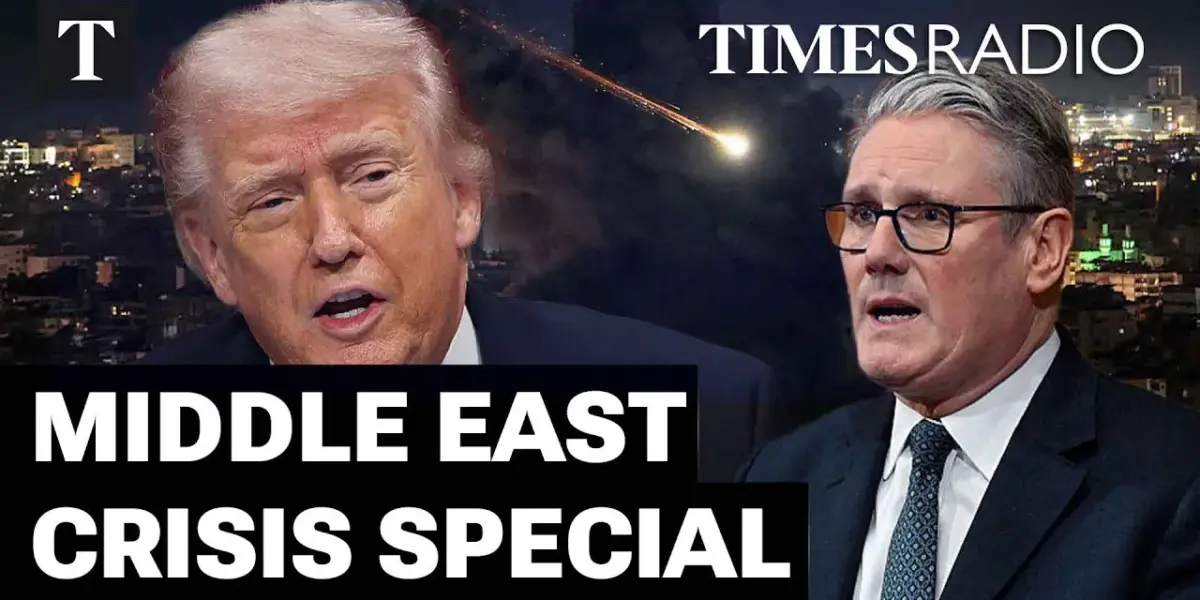
Bolton Criticizes US Mideast Strategy Amid Escalating Conflict
As the Middle East faces escalating conflict following US-Israeli strikes on Iran, former US national security adviser John Bolton has voiced significant concerns regarding the preparedness of the American public for the unfolding events. Speaking on Times Radio, Bolton argued that President Biden’s administration failed to adequately prepare the nation in advance for a potential military engagement, particularly concerning the justification for regime change and the use of force.
The remarks came during a special program discussing the ramifications of the heightened tensions in the region, featuring insights from The Times’s World Affairs Editor Catherine Philp, host of The Story Podcast Manveen Rana, and former Chief of MI6 John Sawers. The panel’s discussion underscored the gravity of the situation and the complex geopolitical landscape shaping the crisis.
Geopolitical Ramifications and International Reaction
The current crisis, triggered by US-Israeli strikes on Iran, has sent ripples across the globe, prompting reactions from world leaders and raising critical questions both domestically within the United States and internationally. The strategic implications of such actions in a volatile region are profound, potentially destabilizing existing alliances and international security frameworks.
John Sawers, former Chief of MI6, and Catherine Philp, World Affairs Editor at The Times, provided expert analysis on the broader geopolitical context. While the transcript does not detail their specific contributions, their presence on the panel indicates a focus on the international response, the potential for wider conflict, and the historical precedents that might inform the current situation. The involvement of key figures from intelligence and foreign affairs suggests a deep dive into the strategic calculations and potential outcomes of the escalating conflict.
Concerns Over Public Discourse and Justification for Force
“I’m worried that the President did not prepare the American public for months in advance […] by making the case for regime change and justifying the use of military force.”
— John Bolton, former US National Security Adviser
Bolton’s central critique revolves around the perceived lack of a sustained public relations effort by the Biden administration. He contends that without months of advance preparation, including a clear articulation of the rationale behind potential regime change and the necessity of employing military power, the American public may be ill-equipped to understand or support the government’s actions. This, he implies, could lead to domestic dissent and undermine long-term foreign policy objectives.
The justification for military intervention, especially in complex geopolitical scenarios like the Middle East, requires robust public backing rooted in a clear understanding of the threats and objectives. Bolton’s statement suggests a belief that the administration has not effectively built this consensus, potentially leaving the US vulnerable to criticism and internal division as the situation develops.
Expert Analysis from The Times’s Contributors
The participation of Catherine Philp and Manveen Rana, alongside Bolton and Sawers, highlights the multi-faceted approach taken in analyzing the crisis. Philp’s role as World Affairs Editor likely brought a perspective grounded in extensive reporting and analysis of international conflicts, focusing on the on-the-ground realities and diplomatic maneuvering.
Manveen Rana, host of The Story Podcast, would typically bring a narrative-driven approach, potentially focusing on the human element of the crisis and the broader storytelling aspects that shape public perception. The inclusion of podcast and print journalism experts alongside former high-ranking officials indicates an effort to bridge the gap between policy analysis and public understanding, exploring how the crisis is being reported and consumed.
The Path Forward: What to Watch Next
As the Middle East crisis continues to unfold, the focus will remain on the strategic decisions made by the US and its allies, the response from Iran and its proxies, and the broader implications for global stability. John Bolton’s concerns about public preparedness serve as a critical reminder of the importance of transparent communication and strategic foresight in foreign policy. The coming weeks and months will be crucial in determining whether the current actions lead to de-escalation or further entanglement, and how effectively governments can navigate both the international landscape and domestic opinion.
Source: What The Middle East Crisis Means For The West (YouTube)

Related Articles
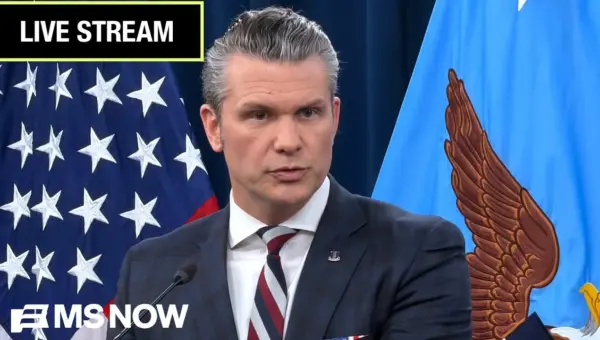
Hegseth Details U.S. Strikes Amid Escalating Middle East Tensions
U.S. Secretary of Defense Pete Hegseth provided an update from Central Command headquarters on recent U.S. strikes in Iran and ongoing military operations. The briefing emphasized the U.S. strategy of deterrence to counter regional aggression while seeking to avoid wider conflict.

Israel Hijacked US War Plans, Trump Caught in Iranian Quagmire
Leaked information suggests Israel manipulated U.S. war plans against Iran, leading to a conflict Trump allegedly sought to avoid. The U.S. may be drawn into a prolonged war due to divergent objectives and Israeli strategic actions.

US Bombs Iran: Four Theories Drive Conflict
The U.S. military offensive against Iran, dubbed "Operation Epic Fury," has ignited debate over its true motives. Four key theories—involving Israeli strategic interests, countering China, benefiting the military-industrial complex, and establishing a global digital control grid—offer potential explanations beyond official statements. The conflict highlights shifts in geopolitical power, technological warfare, and the future of global finance.