Middle East on Edge: US Embassies Targeted, Americans Flee Iran’s Shadow
U.S. embassies are under attack in the Middle East as Iran unleashes drone strikes and ballistic missiles across the region. American citizens are being urged to evacuate 14 countries amidst escalating tensions and significant military operations by U.S. and Israeli forces. The conflict is also triggering economic fallout, including a sharp rise in gas prices and stock market volatility.

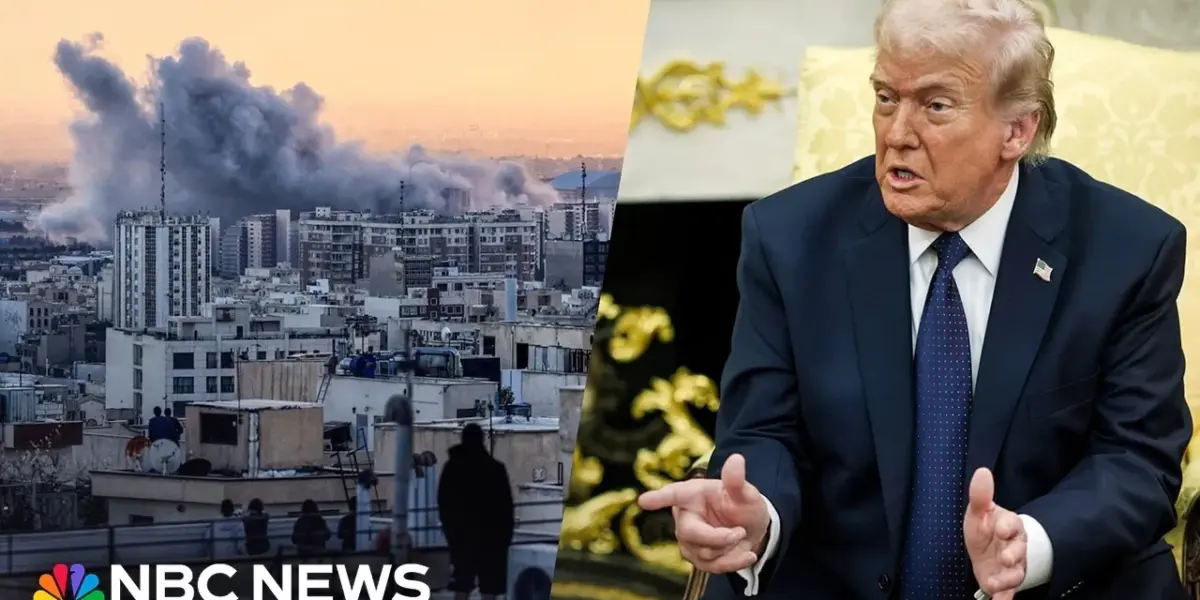
US Embassies Under Fire as Regional Tensions Escalate
The Middle East is gripped by escalating tensions as U.S. embassies face attacks and American citizens are urged to evacuate 14 countries across the region. A significant drone strike near the American Consulate in Dubai, engulfing parts of the building in flames, marks the latest in a series of Iranian attacks targeting Arab nations. This incident, occurring on the fourth consecutive night of threats from Iranian drones in Dubai, highlights the volatile security situation.
Military Operations Intensify, Iran Remains Primary Target
Central Command (CENTCOM) reports a successful U.S. and Israeli operation, having struck over 1,700 targets. The military’s assessment indicates a severe degradation of Iran’s military capabilities, with its navy, air force, air detection systems, and radar significantly crippled. “They have no navy, it’s been knocked out. No air force. It’s been knocked out. They have no air detection. It’s been knocked out. Their radar has been knocked out. Just about everything has been knocked out,” a CENTCOM statement detailed.
Israel has also expanded its military actions, launching strikes against Hezbollah across Lebanon. However, Iran remains the central focus of these operations. A video depicting a demolished building, believed to be a site where clerics were expected to select a new Supreme Leader following the Ayatollah’s death, suggests Israel may have targeted this key leadership transition point. As one official noted, “So these are bad people. And the leader of the pack is gone. It was another hit today on the new leadership, and it looks like that was pretty substantial also. So they’re getting hit very hard.”
Americans Urged to Evacuate Amidst Regional Instability
In response to the heightened threat, the U.S. State Department has issued advisories for American citizens in 14 Middle Eastern countries to depart via commercial travel. The department is actively arranging military aircraft and charter flights for those wishing to leave. However, the situation on the ground presents significant challenges. “Airspace is closed so there’s no idea how to get out,” one report indicated.
Americans in the region are experiencing the direct impact of the conflict. Karen and her husband, who have been in Dubai, described the sound of Iranian strikes: “It sounded like a cannon.” The urgency to leave is palpable, though logistical hurdles remain. While President Trump has encouraged citizens to register with the State Department for charter flights, some Americans have faced repeated cancellations of commercial flights, underscoring the difficulties in securing passage out of affected areas.
Pentagon Reports Major Blows to Iranian Military Assets
The Pentagon has announced the destruction of all 11 major Iranian naval vessels. New video evidence showcases U.S. forces dismantling missile launchers that CENTCOM states Iran has been employing to fire missiles at multiple countries. “They hit countries that had nothing to do with what’s going on. They were sort of leaving everything alone. All of a sudden, they had missiles shot in, which shows you the level of evil that we’re dealing with,” a military official commented.
International Support and Internal Dissent in Iran
President Trump, meeting with Germany’s Chancellor, affirmed strong support for joint U.S. and Israeli efforts. “We are supporting the United States and Israel to get rid of this terrible terrorist regime,” the Chancellor stated.
Meanwhile, signs of internal dissent within Iran are emerging. The Iranian women’s soccer team remained silent during their national anthem at an event in Asia, an apparent protest against the regime. This act of defiance comes amid reports of brutal crackdowns on protesters demanding women’s rights.
Kuwaiti Solidarity and Drone Warfare
In a notable display of solidarity, Kuwaitis assisted U.S. pilots who ejected after being hit by friendly fire from Kuwaiti air defenses. Video footage shows locals helping a U.S. pilot found on a beach, expressing gratitude for her fight against Iran. In a separate incident, a group of Kuwaitis initially prepared to confront a downed pilot, believing him to be Iranian, but offered aid upon realizing he was American, helping him to medical attention.
In Dubai, the United Arab Emirates has been actively intercepting Iranian projectiles. The UAE has displayed remnants of over 1,000 Iranian missiles and drones shot down since Saturday, including ballistic missiles, cruise missiles, and suicide drones. “We have intercepted and destroyed over 800 of these over the last three to four days,” an official reported. These drones, costing approximately $50,000 each and featuring basic designs like wooden propellers, are being mass-produced and used to terrorize civilians. Despite the UAE’s success in shooting down over 90% of these threats, Iran’s relentless drone attacks continue.
Economic Repercussions and Strategic Responses
The conflict has triggered significant economic consequences. Gas prices surged by 11 cents overnight, the largest single-day increase since 2022, attributed to the disruption in the Strait of Hormuz, a critical chokepoint for 20% of the world’s oil supply. The stock market has also experienced a major downturn, reflecting growing inflation concerns.
President Trump announced that the United States will ensure the free flow of energy, pledging to provide insurance for ships in the Gulf and to escort tankers through the Strait of Hormuz with the U.S. Navy if necessary. This mirrors historical naval escort operations conducted in the 1980s, though current threats involve more sophisticated weaponry, including fast boats and anti-ship missiles. Military analysts emphasize the need for comprehensive defensive measures, such as anti-ballistic missile systems, to create a secure transit envelope for tankers. The potential for a direct hit on an oil tanker is described as catastrophic, capable of igniting a massive fireball and causing widespread devastation.
Future Scenarios and Leadership Questions
Questions linger regarding the U.S. strategy for post-conflict scenarios in Iran. When pressed on a worst-case scenario, President Trump acknowledged the possibility of a successor regime being as detrimental as the current one. While the specific individuals the U.S. had in mind for a potential transitional leadership remain unclear, the President expressed a preference for a popular, moderate leader from within Iran. The potential for the son of the Shah to assume a role was also discussed, with the President indicating a preference for an internal, moderate figure.
As the situation remains fluid, the coming days will be critical in observing the trajectory of military actions, the success of evacuation efforts, and the broader geopolitical and economic ramifications of this escalating crisis in the Middle East.
Source: U.S. embassies under attack in the Middle East as Americans race to get out (YouTube)

Related Articles


Trump’s Iran Crisis: Begging Journalists for Strategy?
Former President Donald Trump is reportedly contacting journalists to 'workshop' ideas on handling the Iran situation, signaling a potential lack of strategic advisors. This unusual approach raises concerns about leadership and foreign policy decision-making.

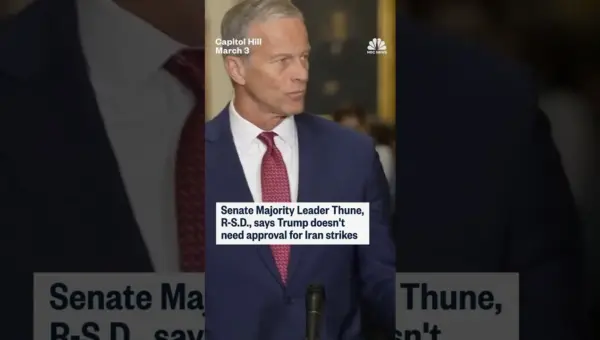
Thune: President Has Authority for Iran Strikes, No Congress Approval Needed
Senate Majority Leader John Thune stated that President Trump has the authority for military actions against Iran without needing further approval from Congress. This stance highlights ongoing debates about presidential war powers and national security.


Kash Patel Accused of ‘Hypocrisy’ After Firing Iran Experts
FBI Director Kash Patel is facing accusations of hypocrisy after reportedly firing a dozen agents specializing in Iran expertise. The firings occurred amidst heightened geopolitical tensions with Iran and shortly after a U.S. strike that killed Iranian leadership, raising serious national security concerns.