Middle East On Edge: Strikes Escalate, US Troops Killed
Three U.S. service members have been killed as strikes intensify across the Middle East following the death of Iran's Supreme Leader. The conflict has expanded, shattering a truce between Hezbollah and Israel, and raising concerns about global energy markets and regional stability.

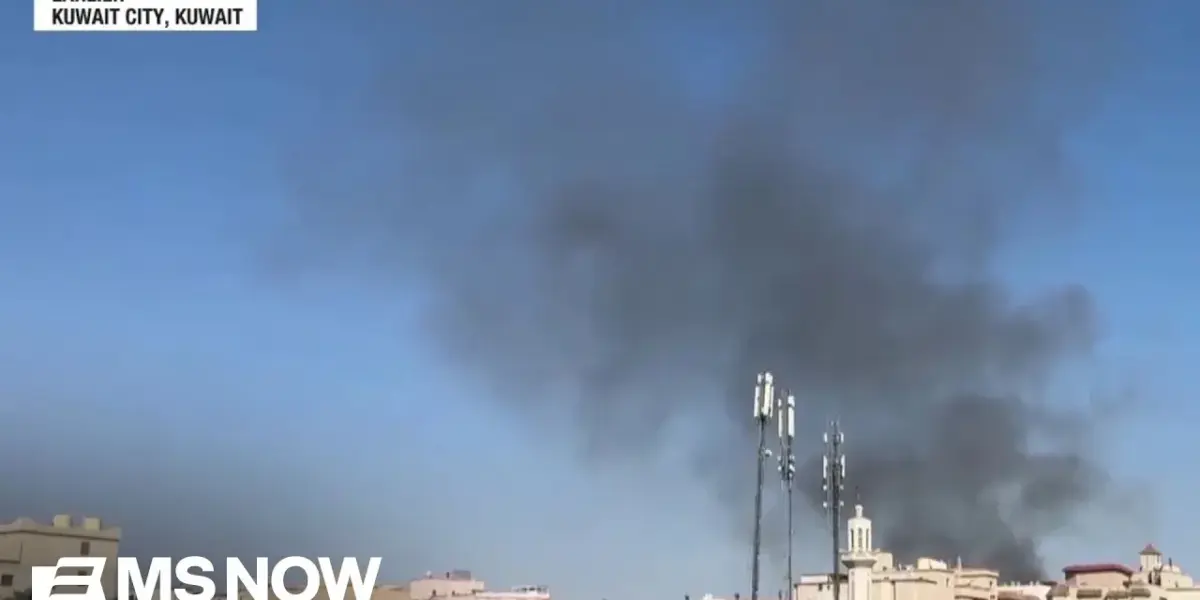
US Service Members Killed as Middle East Conflict Widens
The Middle East is grappling with escalating tensions and intensifying strikes, with three U.S. military service members killed in action over the weekend. President Trump acknowledged the grim reality, stating that more casualties are likely as part of “Operation Epic Fury.” The unfolding events have raised critical questions about the administration’s endgame in Iran and the potential for a wider regional conflict. Meanwhile, oil prices have surged amid disruptions to the global energy supply chain, driven by U.S. and Israeli military actions against Iran.
Iran’s Supreme Leader Killed; Regional Tensions Spike
The conflict escalated dramatically following the killing of Iran’s Supreme Leader in a major U.S. and Israeli military operation. In retaliation, Iran-backed militant group Hezbollah and Israel exchanged fire, shattering a year-long truce. Hezbollah stated its actions were in response to the death of Iran’s Supreme Leader, prompting Israeli retaliatory strikes that threaten to further destabilize the region. Videos circulating show explosions and smoke in Beirut, Lebanon, and near the U.S. Embassy in Kuwait, where U.S. citizens have been urged to shelter in place.
Congressional Reaction and War Powers Debate
The congressional response to the escalating conflict appears divided along party lines. A key question remains whether lawmakers will vote on a war powers resolution that could potentially restrain the president’s military authority. While some lawmakers, even those critical of the administration’s approach, have acknowledged the perceived success of actions leading to the death of Khamenei, concerns linger about the long-term strategy and the lack of congressional authorization for the war. Reports indicate that top administration officials briefed congressional staffers, suggesting the imminence of the threat may not have been as clear-cut as presented by the president.
“We pray for the full recovery of the wounded and send our immense love and eternal gratitude to the families of the fallen. And sadly, there will likely be more before it ends. That’s the way it is. Likely be more.”
President Trump
Iran’s Stance and U.S. Diplomatic Ambiguity
Iran’s top national security leader declared that Tehran “will not negotiate with the United States,” a stark contrast to the ongoing negotiations that were reportedly in place prior to the strikes. President Trump, however, has expressed openness to speaking with Iran’s new leadership, though the identity of this new leadership remains unclear. He indicated the current military operation could last several weeks but did not outline a clear plan for a potential transfer of power or a post-conflict governmental structure in Iran.
Expert Analysis: The Challenge of Regime Change and Regional Impact
Nancy Youssef, a staff writer for The Atlantic, highlighted the difficulty of achieving regime change from the air and sea, particularly in a country with a history of oppression. She noted that potential leaders who might emerge have been historically marginalized, imprisoned, or exiled, making the path to a new government complex. The fear, she suggests, is that the current trajectory may lead to changes within the regime rather than outright regime change, with the administration yet to clearly define the desired end state.
Mohamed Sergi, editor of Semaphore Gulf, provided insights from Dubai, where the UAE has borne the brunt of missile and drone strikes. While UAE defenses have intercepted a significant percentage of incoming munitions, the ongoing attacks pose a considerable cost. Sergi noted that Gulf nations were initially reluctant to engage in a conflict that would bring repercussions to their doorstep. Now, as they are involved, they face the challenge of defense and may need to consider more active roles in “defanging” Iran to prevent future attacks.
Hezbollah-Israel Exchange and Fears of Wider Conflict
The renewed exchange of fire between Israel and Hezbollah is a significant development, shattering a long-standing truce. Youssef questioned the extent to which Israel can further degrade Hezbollah’s capabilities, given past efforts. The fear is that this front could expand, drawing more regional actors into the conflict and exacerbating the already volatile situation.
Uncertainty Over Iran’s Nuclear Ambitions
A crucial aspect of the ongoing conflict revolves around Iran’s nuclear program. While the Trump administration previously stated that U.S. strikes had obliterated Iran’s nuclear facilities, questions remain about the country’s long-term ambitions. The ability to rebuild, retain scientific knowledge, and the potential for enriched uranium create a persistent threat to regional stability and international security. The lack of clear evidence that Iran was on the verge of launching a weapon in the immediate days prior to the strikes adds to the complexity of the situation.
Looking Ahead: What’s Next in the Middle East?
As the conflict enters its critical early stages, the focus remains on the potential for further escalation, the U.S. military’s capacity to sustain prolonged operations, and the diplomatic path forward. The upcoming war powers vote in Congress will be a significant indicator of the legislative branch’s stance. The stability of the region, global energy markets, and the future political landscape of Iran hang in the balance as the world watches closely for the next developments.
Source: Strikes intensify across the Middle East (YouTube)

Related Articles

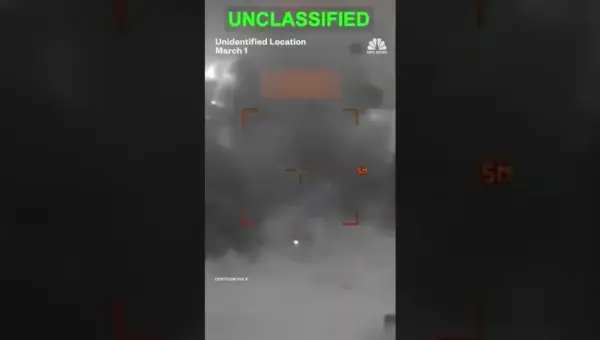
US Strikes Iran-Linked Targets Amid Escalating Tensions
The U.S. military has released footage of airstrikes on facilities in Iraq and Syria linked to Iran and its affiliated militias. These strikes are a response to repeated attacks on U.S. forces in the region amid escalating Middle East tensions.

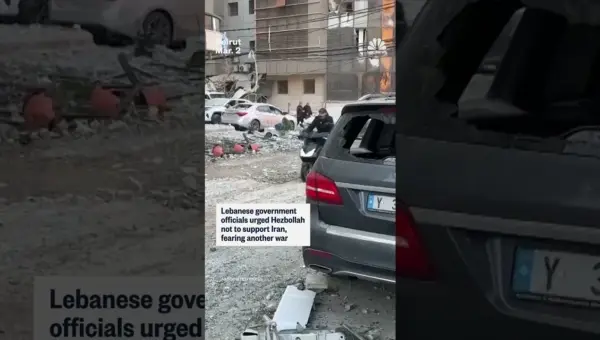
Israel Strikes Lebanon After Hezbollah Missile Barrage
Israel launched airstrikes into southern Lebanon on Wednesday following a significant missile barrage from Hezbollah. The tit-for-tat attacks mark a dangerous escalation in cross-border hostilities, raising concerns of a wider regional conflict.
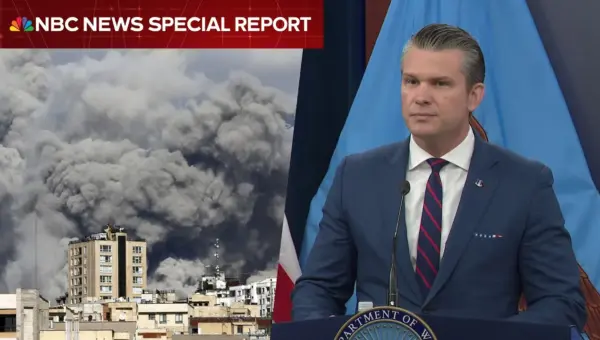
Pentagon Briefs on ‘Operation Epic Fury’ Amid Global Tensions
Pentagon officials held a live briefing today to provide an update on the significant military initiative, 'Operation Epic Fury.' The operation signals the U.S.'s commitment to global security amidst rising international tensions. Details remain undisclosed, but the initiative is expected to play a key role in deterrence and regional stability.