Middle East on Edge: Israel Declares Maximum Defensive Alert Amid Soaring Tensions with Iran
Israel has declared a maximum defensive alert, signaling a belief that war with Iran could be imminent, amidst reports of fighter jets swarming the Middle East, a substantial US military buildup, and unexplained explosions within Iran. This unprecedented readiness comes as diplomatic negotiations falter and a Russian warship reportedly arrives in Iran, escalating an already volatile regional standoff.

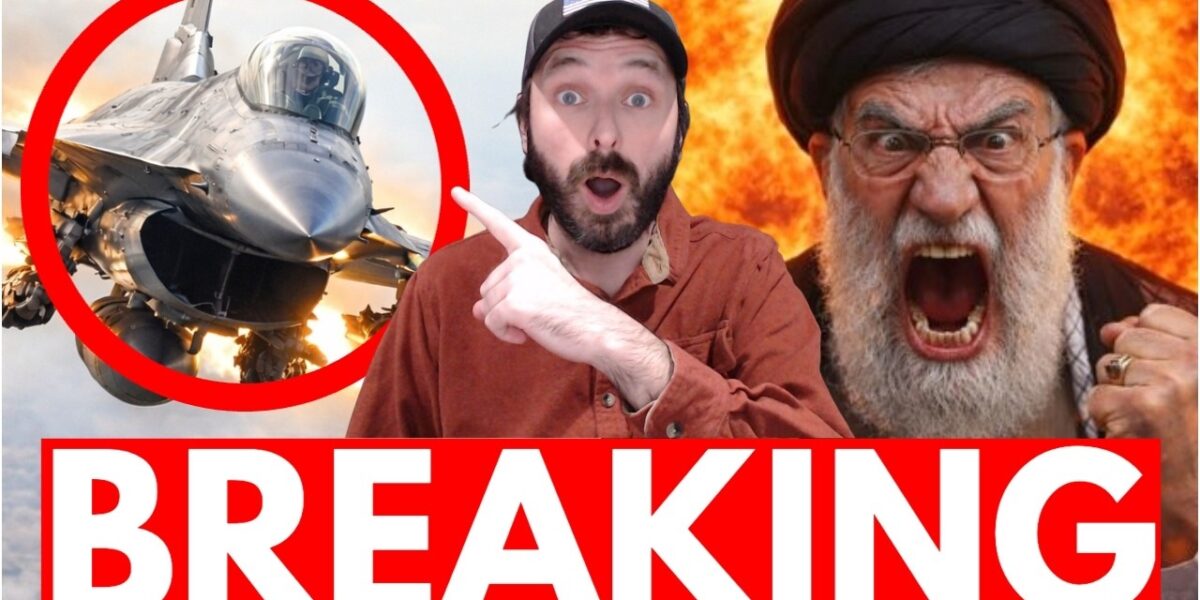
Israel on High Alert: Middle East Braces for Potential Iran Conflict
TEL AVIV, Israel & WASHINGTON D.C. – The Middle East finds itself teetering on the precipice of a potentially devastating conflict, as Israel has reportedly declared a maximum defensive alert, preparing its military and civilian infrastructure for the possibility of war with Iran. Reports emerging on February 18th indicated a dramatic escalation in regional tensions, with fighter jets allegedly swarming Middle Eastern skies, a significant United States military buildup underway, and a series of mysterious explosions rattling critical sites within Iran.
According to Channel 12 News in Israel, citing open-source intelligence, Israeli rescue organizations and the Israel Defense Forces (IDF) Home Front Command have been instructed to prepare for war. A ‘maximum defensive alert’ has been declared across multiple security bodies, signifying a belief within the Israeli security establishment that conflict could be imminent, potentially breaking out at ‘literally any hour.’
This heightened state of readiness follows weeks of escalating rhetoric and a substantial military reinforcement by the United States in the region, with both Washington and Tehran reportedly trading threats. The confluence of these factors paints a grim picture, suggesting that the protracted shadow war between Israel and Iran, often fought through proxies and covert operations, may be on the verge of erupting into open, direct confrontation.
Israel’s Unprecedented State of Readiness
The declaration of a ‘high alert posture’ by Israel’s military, security state, and government is a development of profound significance. Such a move is not undertaken lightly and typically signals a deeply held conviction that the threat of war is not just theoretical but immediate and tangible. For Israel, a nation accustomed to navigating complex security challenges, this level of alert implies a comprehensive mobilization of resources and personnel.
Key aspects of this elevated alert status include:
- Military Readiness: The ability to launch fighter jets and activate air defense systems, such as the Iron Dome, David’s Sling, and Arrow 3, on a moment’s notice. These multi-layered defense systems are designed to intercept rockets, short-range missiles, and long-range ballistic missiles, respectively, forming a critical shield against potential aerial assaults.
- Civilian Preparedness: Reports indicate that Israel is preparing medically for a ‘mass casualty event,’ suggesting the opening of hospitals for increased capacity and the readiness of bomb bunkers and shelters across the country. This level of civilian preparation underscores the perceived gravity of the threat and the potential for widespread impact.
- Intelligence Assessment: The decision to go on high alert is undoubtedly based on intelligence assessments suggesting a credible and imminent threat. While the specifics remain undisclosed, such assessments would likely incorporate analyses of Iranian military movements, rhetoric, and the broader geopolitical landscape.
Israel’s security doctrine has long prioritized pre-emptive action and robust defense against perceived existential threats. Given Iran’s consistent calls for Israel’s destruction, its advanced missile program, and its alleged pursuit of nuclear capabilities, Israel views Iran as its most significant long-term strategic adversary. This current alert level reflects that deep-seated concern.
A Swarm in the Skies: Unidentified Air Activity and US Deployments
Adding to the palpable tension are reports of widespread air activity across the Middle East. Sources in Iraq, notably Fetux Network, reported hearing ‘jets overhead similar to January 14th,’ a date previously associated with a reportedly called-off US strike. While the exact nature and destination of these aircraft remain unknown, the sheer volume of air traffic is a cause for concern.
Observers note that Iraqi airspace is frequently utilized by various actors to reach targets in Iran, particularly when Israeli aircraft are involved. While the possibility of pre-war training exercises or drills cannot be entirely ruled out, the timing and intensity of such activity in a period of heightened alert are highly significant.
Simultaneously, the United States continues to bolster its already formidable military presence in the region. The transcript highlights several critical deployments:
- F-16 CJs for SEAD: A squadron of 12 F-16 CJs from the 169th Fighter Wing, specializing in Suppression of Enemy Air Defenses (SEAD), were reported airborne and bound for the Middle East, accompanied by multiple refueling tankers. These specialized aircraft are designed to neutralize or confuse enemy air defense systems, a crucial capability in any potential conflict scenario with a nation possessing sophisticated anti-air capabilities like Iran.
- Advanced Fighter Jets: These F-16 CJs are in addition to a substantial array of advanced US fighter jets already in the region, including F-22 Raptors, F-35 Lightning IIs, F-18 Super Hornets, EA-18G Growlers (electronic warfare aircraft), and F-15 Eagles. This diverse fleet provides air superiority, precision strike capabilities, and electronic warfare advantages.
- Surveillance and Reconnaissance: P8 Poseidon maritime patrol aircraft and other spy assets are also deployed, underscoring the comprehensive intelligence-gathering and surveillance efforts underway.
- Early Warning and Control: A US Air Force E3 Sentry Airborne Early Warning and Control (AWACS) aircraft, call sign ‘Denali02,’ which had previously arrived in the UK, was filmed departing for the Middle East. AWACS aircraft provide critical airborne radar surveillance and command and control functions, offering a comprehensive real-time view of the battlefield and coordinating air operations.
The presence of US Navy warships equipped with anti-ballistic missile capabilities further reinforces the defensive posture in the region, ready to intercept any incoming Iranian ballistic missiles. This extensive deployment of air and naval assets signals a robust deterrent posture, but also a readiness for offensive operations should deterrence fail.
The Shadow of Failed Diplomacy: Iran’s Stance and US Frustration
The escalating military posturing unfolds against a backdrop of reportedly failing diplomatic negotiations with Iran. Unnamed US officials, quoted by I24 News in Israel, conveyed a sense of growing frustration, stating that forces ‘weren’t deployed to just sit on bases for long weeks.’ This sentiment suggests that the massive military buildup is not merely a show of force but a preparation for potential action, particularly as diplomatic avenues appear to be closing.
The core issues at the heart of the stalled negotiations remain Iran’s nuclear program, its development of ballistic missiles, and its extensive network of proxy groups across the Middle East. The United States and its allies have repeatedly called for Iran to curtail these activities, viewing them as destabilizing and a direct threat to regional and international security.
The collapse of the 2015 Joint Comprehensive Plan of Action (JCPOA), or Iran nuclear deal, after the US withdrawal in 2018, led to Iran progressively exceeding the agreement’s limits on uranium enrichment. This has fueled concerns that Iran is moving closer to developing nuclear weapons, a red line for both Israel and the United States. Iran, for its part, maintains its nuclear program is for peaceful purposes and denies seeking nuclear weapons. However, its continued advancements and refusal to fully cooperate with international inspectors have only intensified suspicions.
Beyond the nuclear issue, Iran’s ballistic missile program is a significant point of contention. Tehran possesses one of the largest and most diverse missile arsenals in the Middle East, capable of reaching targets across the region. These missiles, coupled with Iran’s support for groups like Hezbollah in Lebanon, Hamas in Gaza, Houthi rebels in Yemen, and various militias in Iraq and Syria, constitute a multi-front threat that complicates regional security dynamics immensely.
The ‘failing’ negotiations, therefore, represent a critical juncture. Without a diplomatic off-ramp, the likelihood of military confrontation, whether intentional or by miscalculation, increases significantly.
Mysterious Explosions Rock Iran: Sabotage or Coincidence?
Compounding the regional volatility are reports of multiple, unexplained explosions ripping across Iran. The transcript mentions a ‘third wave of explosions,’ specifically citing ‘Baji base and Saab Zavar is burning to the ground,’ with footage allegedly showing a ‘massive fire’ and an ‘absolutely obliterated’ building. Earlier incidents included a military site in Tehran, ‘allegedly housing ammunition, fuel, and military equipment,’ being ‘mysteriously blown up,’ and another alleged explosion at an ‘underground base in Tehran.’
The Iranian government has not officially confirmed these incidents or provided explanations, leading to widespread speculation. Such ‘unexplained’ occurrences have become a recurring feature in Iran, particularly at sites associated with its military, missile, or nuclear programs. In the past, similar incidents have been widely attributed to sabotage operations, often linked to Israel or the United States, aimed at disrupting Iran’s strategic capabilities.
While the exact causes of these latest explosions remain unconfirmed and must be stated as ‘alleged’ due to the lack of official Iranian confirmation, their timing during a period of extreme regional tension is highly noteworthy. If indeed they are the result of external action, they would represent a significant escalation in the ongoing shadow war, potentially provoking a direct response from Tehran. Conversely, if they are internal accidents, they highlight vulnerabilities within Iran’s critical infrastructure.
The lack of transparency from the Iranian government regarding these incidents only fuels the rumor mill and adds another layer of uncertainty to an already volatile situation.
The Russian Factor: A Growing Alliance
Further complicating the geopolitical chess game is the reported arrival of at least one Russian Navy warship in Iran. This development underscores the deepening military and strategic cooperation between Moscow and Tehran, an alliance that has grown significantly in recent years, particularly in the context of the Syrian civil war and, more recently, Russia’s war in Ukraine.
The presence of Russian naval assets in Iranian ports or adjacent waters serves multiple purposes:
- Symbolic Support: It sends a clear message of solidarity and support to Iran amidst escalating tensions with Western powers and Israel.
- Intelligence Sharing: It could facilitate intelligence sharing and coordination between the two nations’ militaries.
- Geopolitical Counterbalance: It positions Russia as a counterweight to US and Western influence in the Persian Gulf and broader Middle East, aligning with Moscow’s broader foreign policy objectives.
The Russia-Iran relationship is rooted in shared opposition to US hegemony and a desire to reshape the international order. Military cooperation has included arms sales, joint military exercises, and intelligence collaboration. The arrival of a Russian warship during a period of high alert in the region adds another powerful player to an already crowded and dangerous stage, potentially raising the stakes for any military action.
A Region on the Brink: What Lies Ahead?
The confluence of Israel’s maximum defensive alert, the substantial US military buildup, reports of widespread air activity, the alleged mysterious explosions in Iran, and the arrival of Russian naval assets paints a picture of a region on the absolute brink of conflict. The language used in the transcript – ‘pre-war era,’ ‘absolute brink,’ ‘drums of war continue to beat on’ – reflects a pervasive sense of imminent danger.
The potential ramifications of a direct military conflict between Israel and Iran, with the involvement of the United States and potentially Russia, are staggering. Such a conflict would undoubtedly:
- Destabilize the Global Economy: Particularly through its impact on oil prices and shipping routes in the Strait of Hormuz, a critical choke point for global energy supplies.
- Trigger a Humanitarian Crisis: With potential mass casualties and refugee flows, exacerbating existing humanitarian challenges in the region.
- Redraw Regional Alliances: Forcing nations to take sides and potentially leading to a broader regional conflagration involving proxy groups and other state actors.
- Have Global Repercussions: Affecting international relations, trade, and security architectures far beyond the Middle East.
As the situation remains rapidly developing and highly fluid, the world watches with bated breath. The coming days and weeks will be crucial in determining whether diplomacy can still find a path to de-escalation, or if the region is indeed destined for a new and perilous chapter of open conflict. The calls for de-escalation from the international community will undoubtedly intensify, but the fundamental disagreements and deep-seated animosities between the key players present formidable obstacles to peace.
Source: Israel Goes On HIGH ALERT For Iran War – Fighter Jets SWARMING (YouTube)

Related Articles

Israel Defends Iran Strikes, Cites Nuclear Threat
Israeli Opposition Leader Yair Lapid defended recent strikes against Iran, citing Tehran's nuclear ambitions and threats as justification for military action. He distinguished between accidental civilian casualties in defensive operations and intentional targeting by Iranian forces, while addressing the global implications of a nuclear Iran.


Iran Retaliates: “Devastating Blows” Threaten US, Israel
Iran has officially vowed to exact "devastating blows" against the U.S. and Israel following preemptive strikes that reportedly killed Ayatollah Kmeni. The nation has initiated widespread retaliatory actions across the Middle East, targeting U.S. bases and interests in multiple countries. This escalation follows large public demonstrations in Iran demanding vengeance and has ignited debate over U.S. foreign policy and its domestic implications.


US-Israel Strikes on Iran Spark Regional Alarm, Diplomatic Fallout
Joint U.S.-Israel strikes on Iran have triggered regional alarm and an emergency UN Security Council session, raising fears of wider conflict. Experts cite the U.S. withdrawal from the Iran nuclear deal in 2018 as a key factor in the escalating tensions. Immediate concerns focus on Iran's nuclear material security and the long-term impact on diplomatic trust.