Middle East Conflict Widens: Cyprus, Bahrain, Kuwait Hit
The Middle East conflict has dramatically escalated with strikes hitting Cyprus, Bahrain, and Kuwait, following U.S. and Israeli preemptive actions against Iran. As 'Operation Epic Fury' unfolds, regional powers like Hezbollah engage Israel, while citizens in Iran face fear amidst devastating strikes and economic hardship. Europe grapples with international law implications as the conflict's reach widens.

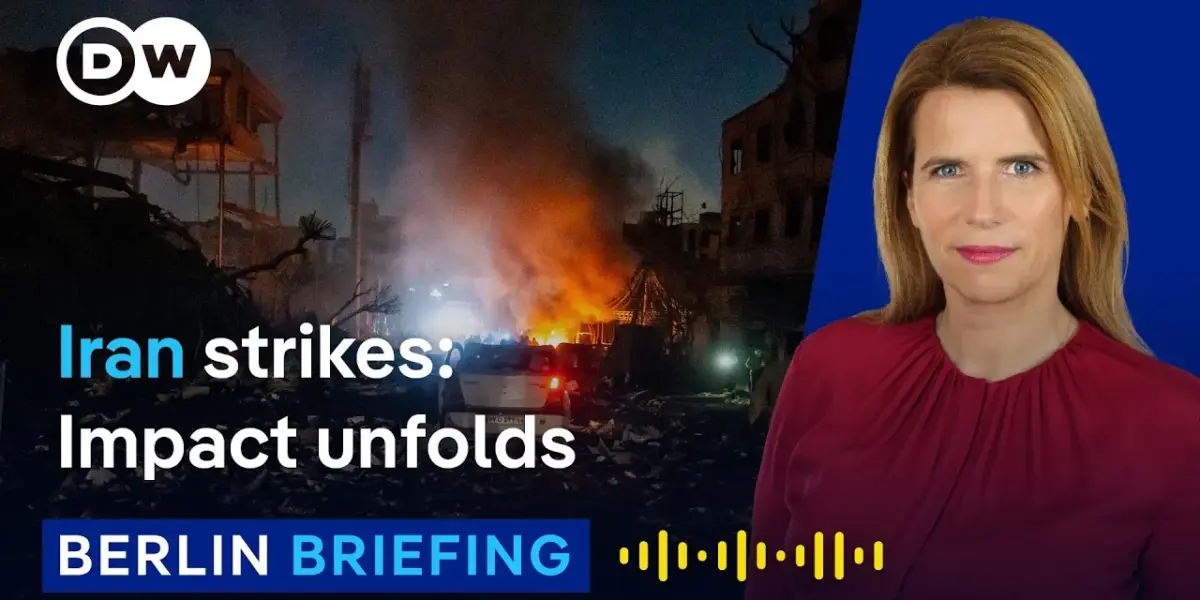
Middle East Conflict Escalates Dramatically as Cyprus, Bahrain, Kuwait Targeted
The simmering conflict in the Middle East has erupted into a wider confrontation, with reports emerging that Cyprus has been hit by suspected drone attacks on a British RAF base, marking the first time a European Union country has been directly involved. The escalating situation, now in its third day, follows retaliatory strikes by Israel and the United States against Iran, described by Washington as a preemptive offensive. Explosions have also been reported in Bahrain and Kuwait, with smoke seen near the U.S. embassy in the latter.
Operation Epic Fury: A Sweeping Military Offensive
U.S. President Donald Trump announced the launch of “Operation Epic Fury,” characterizing it as “one of the largest, most complex, most overwhelming military offensives the world has ever seen.” The operation, which has been ongoing for at least 36 hours, signifies a significant escalation in the region’s volatile geopolitical landscape. The scope and intensity of the U.S.-led offensive are unprecedented, raising concerns about regional stability and the potential for further escalation.
Regional Spillover: Hezbollah Engages Israel
The conflict’s geographic spread is becoming increasingly evident, with exchanges of fire reported between Hezbollah in Lebanon and Israel. Richard Walker, Chief International Editor, noted that this phase of the conflict, characterized by its widening reach, was an anticipated risk. “We’re seeing a spreading of this conflict which is something that has obviously been a risk from early on,” Walker stated. He elaborated on the recent developments, including Iran’s strikes on Gulf neighbors and targeting of civilian areas, followed by Hezbollah’s rocket fire into northern Israel and Israel’s strong response. “So we have a sense of a phase during which this conflict is potentially spreading and of course, yeah, this could take it to even more dangerous places,” he warned.
Inside Iran: Fear and Uncertainty Amidst Strikes
Niloofa Gulani, from DW’s Persian service, provided insights into the situation on the ground in Iran, emphasizing the profound impact on ordinary citizens. “At the end of the day, they are the people who are paying the price for that,” Gulani said, highlighting the dire economic situation and weakened infrastructure Iran already faces. She described videos circulating of Iranian security forces and potential attacks on critical infrastructure like Aramco, a major oil exporter. “If it’s going to continue like this… then I would imagine that for example, countries in the Middle East forming a kind of coalition… and in that case, we might see Iran’s infrastructures, especially Iran’s energy infrastructures attacked. And it would be a really worst-case scenario for the people of Iran,” she explained.
Public Reaction and Panic in Tehran
Social media and contacts within Iran reveal a mix of emotions. While there is a sense of relief among some Iranians regarding the reported deaths of key regime figures, whom they call “the great dictator of Tehran,” this is overshadowed by immense fear and panic about the future. “They are super worried about what is going to happen next. And of course, they are panicking, especially in Tehran,” Gulani reported. One individual described a harrowing experience during strikes on the capital, stating, “I only have everything with me for two months… what if it’s going to be more than this? What can I do about it?” Reports of hospitals and schools being attacked underscore the devastating reality of the full-scale war, with a sense of lost control over the unfolding events.
A Regime in Flux: The Death of Khamenei and Succession Questions
The reported deaths of Iran’s Supreme Leader Ayatollah Ali Khamenei and other top officials in the air strikes have sent shockwaves across the region. Khamenei had been in power since 1989, making him a consistent and disruptive presence in the region for nearly four decades. Azud Pzkian, who has reportedly assumed interim leadership, stated, “Today the interim leadership council started its work and with the help of God, we will continue the path of Imam Khomeini, the path of the dear leader, and the path of all justice seekers in the world with strength.” Richard Walker described the situation as “uncharted territories,” noting that while Iran projects an image of a structured transition, the true test will be the regime’s ability to maintain power structures or if internal factional competition could lead to its implosion.
Europe’s Dilemma: International Law Under Scrutiny
The escalating conflict presents a significant dilemma for European nations, particularly Germany, a staunch defender of international law. German Chancellor Olaf Scholz’s remarks suggest a departure from strict adherence to international legal standards in this context. “It is a conflict that has been going on for decades which Israel and the US now want to end through military strikes,” Scholz stated, implying a unique situation that might warrant a different approach. This stance, however, risks undermining Europe’s credibility as a defender of international law, especially in light of its strong condemnation of Russia’s invasion of Ukraine. “This really opens the gates for the likes of Russia, the likes of China to criticize Europe for what they see as double standards,” Walker observed. China’s foreign ministry has already criticized the strikes as violations of international law, potentially damaging Europe’s global standing.
The West’s Image and Future Prospects
The Western powers face a challenging situation in the region. The perception of their involvement in a broader escalation, with “no way back,” is a serious concern. Niloofa Gulani suggested that Iran’s response will be critical. “Everything really really depends on the Iranian side. If they choose to like surrender maybe or maybe I don’t know negotiate… if they see it is going to be really really hard for them,” she noted. The possibility of other countries joining a coalition against the Iranian regime could further complicate Iran’s position. The coming days will reveal whether diplomacy or continued confrontation will dictate the path forward.
What’s Next?
As the situation rapidly evolves, attention will be fixed on the actions of Iran and the international community. The resilience of the Iranian regime amidst internal and external pressures, the potential for further regional alliances, and the European Union’s navigation of international law in this complex scenario will be key factors to monitor. DW News will continue to provide comprehensive coverage across all platforms.
Source: What the escalating conflict means for the Middle East and beyond | Berlin Briefing Podcast (YouTube)

Related Articles

US Strikes Iran-Linked Targets Amid Escalating Tensions
The U.S. military has released footage of airstrikes on facilities in Iraq and Syria linked to Iran and its affiliated militias. These strikes are a response to repeated attacks on U.S. forces in the region amid escalating Middle East tensions.

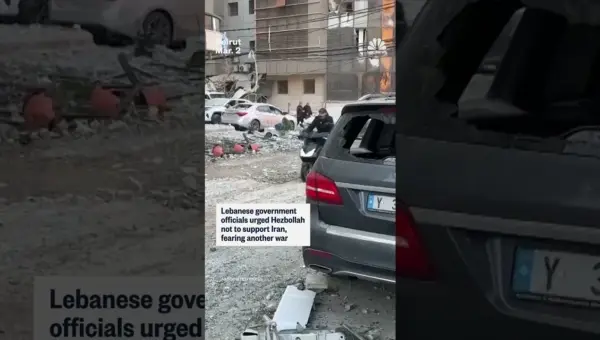
Israel Strikes Lebanon After Hezbollah Missile Barrage
Israel launched airstrikes into southern Lebanon on Wednesday following a significant missile barrage from Hezbollah. The tit-for-tat attacks mark a dangerous escalation in cross-border hostilities, raising concerns of a wider regional conflict.
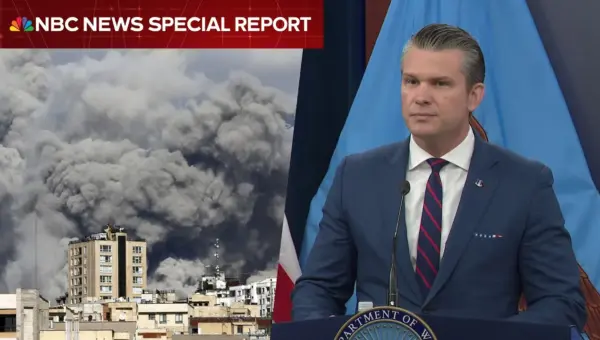
Pentagon Briefs on ‘Operation Epic Fury’ Amid Global Tensions
Pentagon officials held a live briefing today to provide an update on the significant military initiative, 'Operation Epic Fury.' The operation signals the U.S.'s commitment to global security amidst rising international tensions. Details remain undisclosed, but the initiative is expected to play a key role in deterrence and regional stability.