Middle East Conflict Sparks Historic Energy Crisis
Escalating conflict in the Middle East has triggered a severe energy crisis, with oil prices surging and vital supply routes like the Strait of Hormuz obstructed. Experts warn this crisis could be worse than the one seen during the Ukraine war, impacting global markets and economies.

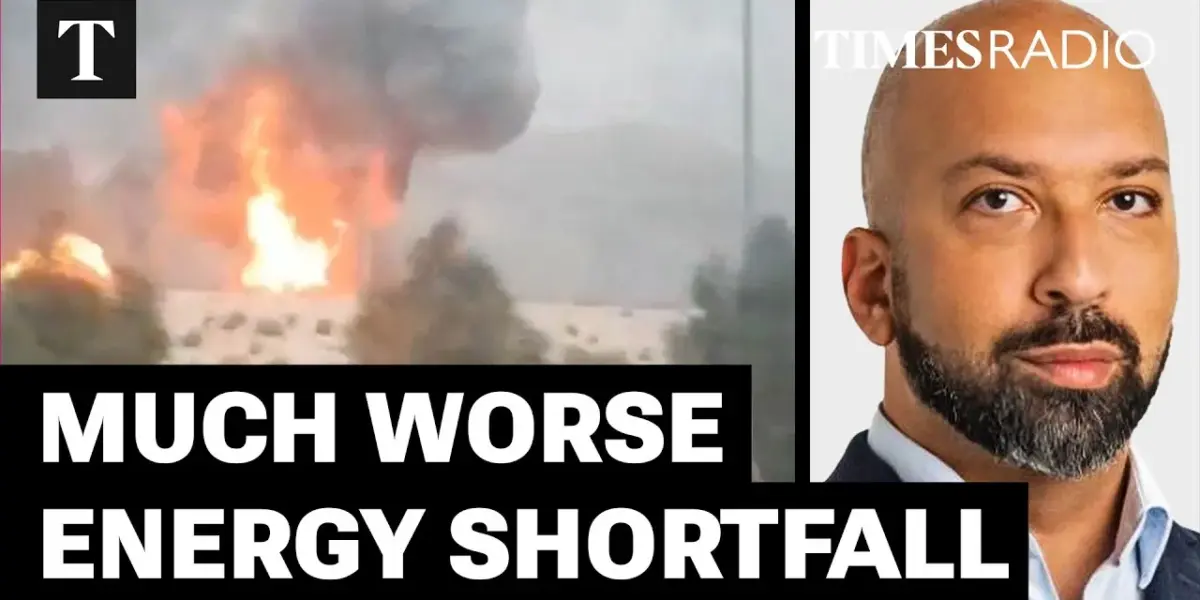
Global Energy Markets Reel as Middle East Tensions Escalate
The world is facing a severe energy crisis, potentially one of the worst in history, as escalating tensions in the Middle East disrupt vital oil and gas supplies. The conflict, marked by retaliatory strikes between Israel and Iran and threats from former U.S. President Trump, has sent oil prices soaring above $100 a barrel. This situation is far more critical than the energy disruptions seen during the Russia-Ukraine war, according to experts.
Strait of Hormuz Blockade Threatens Global Trade
A key concern is the Strait of Hormuz, a critical waterway through which approximately 20% of the world’s oil and gas supplies flow daily. Recent attacks and the general instability in the region have obstructed these flows, creating a significant bottleneck. “We are entering one of the worst energy crises that we’ve ever seen in history,” stated Amena Bakr, head of Middle East and OPEC research at Kepler. She warned that prices will worsen rapidly unless the conflict is resolved.
Qatar’s LNG Supplies Hit Hard
The crisis is compounded by the impact on liquefied natural gas (LNG) supplies, particularly from Qatar, which hosts the world’s largest LNG facility. Qatar’s announcement of force majeure and suspension of exports due to attacks on its facilities has had a dramatic effect. Gas prices in Europe have already surged by 50% to 60%. “Having that online is just going to deepen the energy crisis,” Bakr noted.
Scale of Disruption Dwarfs Ukraine Crisis Impact
Experts believe the current situation is significantly worse than the energy crisis triggered by the Russia-Ukraine war. “It’s a double whammy,” explained Bakr. She highlighted that the Strait of Hormuz is taking around 20 million barrels a day offline. Furthermore, countries that rely on the strait for exports are shutting down capacity because their storage facilities are full and they lack alternative routes. Only Saudi Arabia and the UAE have limited alternative export options.
Kepler estimates that oil supply outages from the region are between 8.5 to 9 million barrels per day. This figure is substantially higher than the brief spike seen during the Ukraine conflict. The global spare capacity is insufficient to compensate for these losses. Strategic releases of oil reserves by the U.S. and the International Energy Agency, amounting to 400 million barrels per day at a rate of 2 to 2.5 million barrels per day, are inadequate to fill the gap. “No measures could fill this supply gap,” Bakr concluded, emphasizing that diplomacy is the only viable solution.
Regional Retaliation and Diplomatic Tightrope
The conflict has seen Iran retaliate against Israeli attacks by striking Qatari LNG facilities and threatening the South Pars gas field. Former U.S. President Trump also issued a threat to “blow up the entirety of the South Pars field if anything else happens.” These actions have drawn strong rebukes from the UAE and Qatar, who described the escalations as dangerous and irresponsible, warning of threats to global energy security.
Middle East correspondent Sameer Al-Altrush reported that Iran has accused Gulf states of allowing U.S. forces to launch attacks from their territory. Iran also confirmed the killing of its intelligence minister, Ezel Hatib, in what it called a “cowardly assassination,” following the deaths of other senior officials. The South Pars field, jointly operated by Iran and Qatar, is crucial for global gas supplies, though Iran’s ability to extract gas is limited by sanctions.
Divergent Gulf State Strategies
Gulf states find themselves walking a delicate diplomatic line. Saudi Arabia and the UAE, according to Al-Altrush, privately urge for the conflict to continue until the Iranian regime is neutralized. They fear a premature end to the war would leave Iran’s military capabilities intact, allowing it to continue threatening regional stability and the Strait of Hormuz. “Their view is, we might as well get this over with once and for all,” he stated.
Conversely, countries like Qatar and Oman favor a swift end to the conflict. They believe prolonging the war does not guarantee the toppling of the Iranian regime and prefer avoiding further escalation. The potential deployment of thousands of U.S. troops to the Middle East to secure the strait or occupy Iranian export hubs is viewed with mixed reactions, with some Gulf states potentially welcoming it while others express concern about further escalation.
Economic Impact and Future Outlook
While Saudi Arabia and the UAE have been hit economically, they believe they can weather the storm. Saudi Arabia has been able to divert oil shipments to its western ports, bypassing the Strait of Hormuz. However, the UAE faces a more significant economic hit. Both nations are reportedly resigned to 2026 being a very difficult fiscal year but are focused on long-term stability and preventing Iran from ever again controlling the Strait of Hormuz.
The U.S. position appears to be focused on claiming victory by reopening the Strait of Hormuz and declaring a significant setback for Iran, potentially before former President Trump loses interest in the conflict. However, experts stress that even if the conflict stops immediately and the Strait of Hormuz reopens, there will be a significant lag effect. Restarting production and resuming normal flows through the strait will take time, ranging from days for some producers to weeks for others, with the resumption of full flows not happening overnight.
What to Watch Next
The coming days and weeks will be critical in determining the trajectory of this energy crisis. All eyes will be on diplomatic efforts to de-escalate the conflict and reopen vital shipping lanes. The ability of global powers and regional actors to find a peaceful resolution will directly impact energy prices and economic stability worldwide. The world watches anxiously to see if a diplomatic solution can avert a prolonged and devastating energy crisis.
Source: Iran's Oil Bottleneck ‘Far Worse’ than Russia-Ukraine Energy Crisis | Amena Bakr & Sameer Al-Altrush (YouTube)

Related Articles

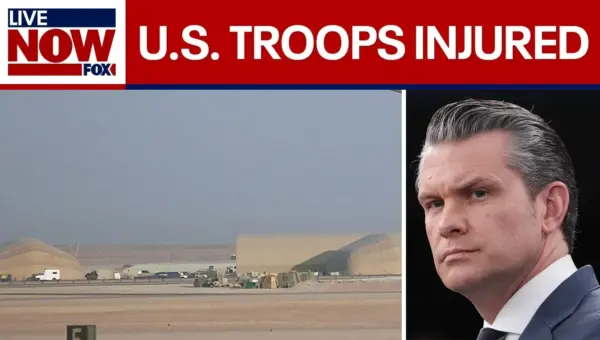
US Troops Wounded in Saudi Base Attack by Iran
An Iranian missile attack on Prince Sultan Air Base in Saudi Arabia wounded multiple U.S. service members and damaged aircraft. The incident highlights the ongoing risks in the Middle East and the limitations of air defense systems. Analysts discuss the strategic implications, economic pressures, and the isolation of Iran amidst the conflict.

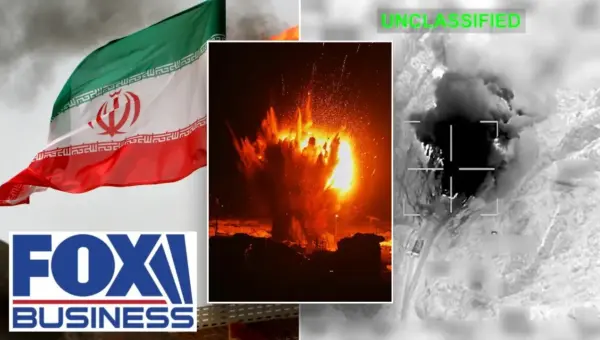
Iran Tensions Send Oil Prices Soaring; Farmers Seek Relief
Escalating tensions with Iran are driving oil prices higher, while U.S. troop deployments to the Middle East increase. Meanwhile, American farmers are receiving relief from rising costs through regulatory changes and support measures, as devastating wildfires impact Nebraska's cattle industry.

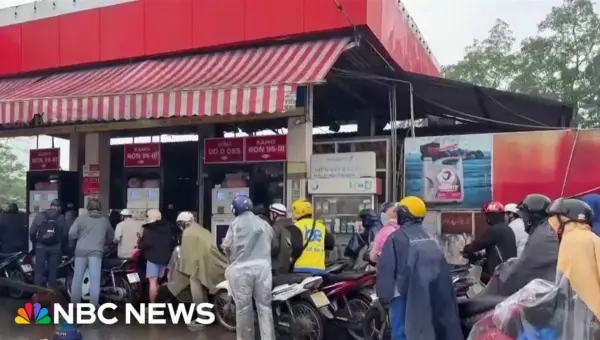
Asia Faces Oil Shortages as Middle East War Disrupts Global Energy
A war in the Middle East has triggered widespread oil and gas shortages across Asia, leading to protests, rationing, and long fuel lines. The crisis, described as the largest supply disruption in history, is forcing governments to take drastic measures and is creating economic strain throughout the continent. Analysts are closely watching the Strait of Hormuz and diplomatic efforts to ease the energy emergency.