Middle East Conflict Halts 7 Million Barrels of Oil Daily
The Middle East conflict has triggered substantial oil supply disruptions, with 7 million barrels per day curtailed due to shipping insecurity and infrastructure threats. Analysts warn the economic repercussions could be prolonged, even if immediate hostilities cease.


Middle East Conflict Halts 7 Million Barrels of Oil Daily
Global markets are grappling with escalating tensions in the Middle East, as a series of attacks and security concerns have led to a significant disruption in oil production. Approximately 7 million barrels of oil per day, representing 6-7% of global demand, have been curtailed across several Gulf nations, primarily due to shipping lane insecurity and direct threats to energy infrastructure. This situation has reintroduced considerable volatility into energy markets, with analysts warning that the economic repercussions could extend far beyond the immediate conflict zone.
Strait of Hormuz Under Threat
The Strait of Hormuz, a critical chokepoint for global energy supplies, has once again become a focal point of concern. Around one-fifth of the world’s oil supply typically transits this narrow waterway. Recent reports of attacks on cargo vessels, including one incident where a ship was hit and caught fire, have reinforced perceptions of extreme danger for maritime traffic. The potential for naval mines further exacerbates the risk, as even a temporary de-escalation of conflict would not immediately restore confidence for shipping companies if mines remain a lingering threat.
While an early-week suggestion from former President Donald Trump that the conflict was nearing its end briefly calmed markets, this optimism proved short-lived. The renewed reports of attacks in the Strait of Hormuz quickly reversed any market stabilization, highlighting the sensitivity of oil prices and stock markets to developments in the region.
Wider Regional Disruptions and Production Cuts
Beyond the Strait of Hormuz, Iran has been conducting drone and other strikes across neighboring countries, targeting vital infrastructure, energy facilities, and transport hubs. These broader regional attacks are directly impacting oil-producing nations in the Gulf. Several major producers have begun cutting output, not only due to the difficulties in safely exporting crude but also because of security risks to their operational facilities.
The scale of these production cuts is substantial:
- Iraq: Implemented the largest reduction, cutting output by 2.9 million barrels per day.
- Saudi Arabia: Reportedly reduced output by approximately 2 to 2.5 million barrels per day.
- United Arab Emirates: Cut production by an estimated 500,000 to 800,000 barrels per day.
- Kuwait: Reduced output by 500,000 barrels per day.
Collectively, these reductions amount to between 6 and 7 million barrels per day being removed from global supplies. A critical factor noted by analysts is that shutting down oil production is not always a reversible process. Restarting wells and facilities after they have been idled can take considerable time, meaning that even if the conflict were to cease, the disruption to supply could persist for an extended period.
Asymmetric Warfare and Economic Costs
A key element shaping the economic landscape of this conflict is the strategy of asymmetric warfare. Iran has invested in a large arsenal of relatively low-cost drones, which have also been supplied to other nations. These drones can be launched with less sophisticated infrastructure and can pose a significant threat to ships, infrastructure, and energy facilities across the region.
The economic imbalance lies in the stark cost difference between the attacking weapons and the defensive measures employed. Drones can cost tens of thousands of dollars, while the missiles used to intercept them can cost hundreds of thousands or even millions of dollars each. This dynamic forces adversaries to expend vastly greater sums to counter relatively inexpensive attacks.
Reports suggest that in the initial stages of recent military engagements, the United States may have spent around $5.6 billion on missiles in just two days. Furthermore, the administration is reportedly seeking an additional $50 billion to fund ongoing military operations and replenish weapon inventories. This escalating financial burden highlights the economic strain of prolonged conflict.
Iran does not necessarily need to defeat the United States in a conventional military stance. Instead, it can focus on tactics that impose disproportionate economic costs on its opponents. Drones, mines, attacks on shipping, and threats to regional infrastructure can all create enormous disruption, even if the weapons themselves are relatively inexpensive.
This strategy mirrors tactics observed in the Russia-Ukraine war, where Ukraine has utilized low-cost drones to target Russian infrastructure and energy assets, compelling Russia to incur significant defense expenditures. Iran appears to be employing a similar approach, aiming to inflict economic damage rather than engaging in direct conventional military confrontation.
Market Impact and Investor Considerations
The ongoing uncertainty and the nature of the conflict, which is shifting towards persistent, low-level attacks, are creating significant nervousness in financial markets. Every incident in the Strait of Hormuz, every drone attack, raises the specter of further escalation and continued disruption to oil flows.
The reduction of millions of barrels per day in oil supply, coupled with the potential for prolonged downtime of production facilities, poses a substantial risk to global economic stability. The complexity of clearing mines from shipping lanes and the time required to restart shut-in production mean that the impact could linger for months, even if immediate hostilities cease.
In response to these market pressures, international bodies are considering emergency measures. The G7 is discussing the potential release of strategic oil reserves to help stabilize prices. There are also reports of discussions regarding the possibility of bringing additional oil supplies to the market from countries like Russia, contingent on potential adjustments to sanctions, to rebalance global supply.
The key takeaway for investors is that the conflict is far from resolved. The persistent threat to shipping, the growing concern over mines, the disruption to regional oil production, and the evolution towards asymmetric warfare suggest a prolonged period of elevated risk and volatility. This situation has the potential to evolve from a regional conflict into a significant global economic event, impacting inflation, supply chains, and overall economic growth.
Source: USA's Asymmetric Nightmare (YouTube)

Related Articles

Global Conflict Ignites: Is Trump’s Iran War a Catalyst?
A provocative analysis suggests the conflict in Iran, under the Trump administration, is a catalyst for global war, potentially drawing in Russia and destabilizing regions from the Baltics to East Asia. The piece highlights shifting alliances, strategic vulnerabilities, and Ukraine's evolving role in drone warfare, painting a grim picture of escalating international tensions.
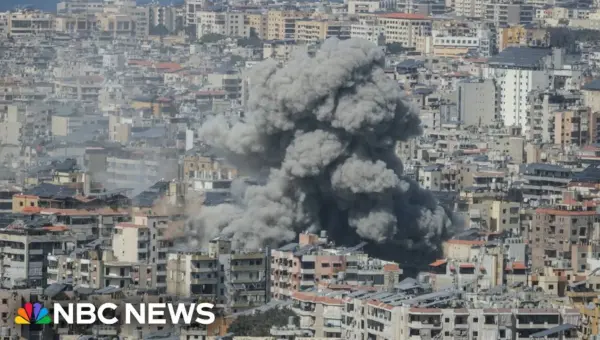
Iran Conflict Escalates: US Strikes Intensify Amidst Leadership Questions
Escalating tensions in the Middle East see intensified U.S. strikes on Iran amidst questions about the health of its new Supreme Leader. The conflict's economic impact is felt globally, with rising oil prices and threats to the Strait of Hormuz, while the U.S. grapples with domestic concerns over the war's objectives and severe weather.


Oil Price Surge Sparks Global Economic Fears
A recent spike in oil prices, briefly exceeding $100 a barrel, has triggered global economic concerns, pushing up inflation and pressuring businesses. Central banks are cautiously assessing their next moves amid market volatility and investor unease.