Middle East Conflict Fuels Inflation, Handing Midterms to Democrats
A new Middle East conflict has sent oil prices soaring, exacerbating existing inflation and potentially handing a significant electoral advantage to Democrats in the upcoming midterm elections. The analysis suggests this economic fallout could be a direct consequence of recent foreign policy decisions.

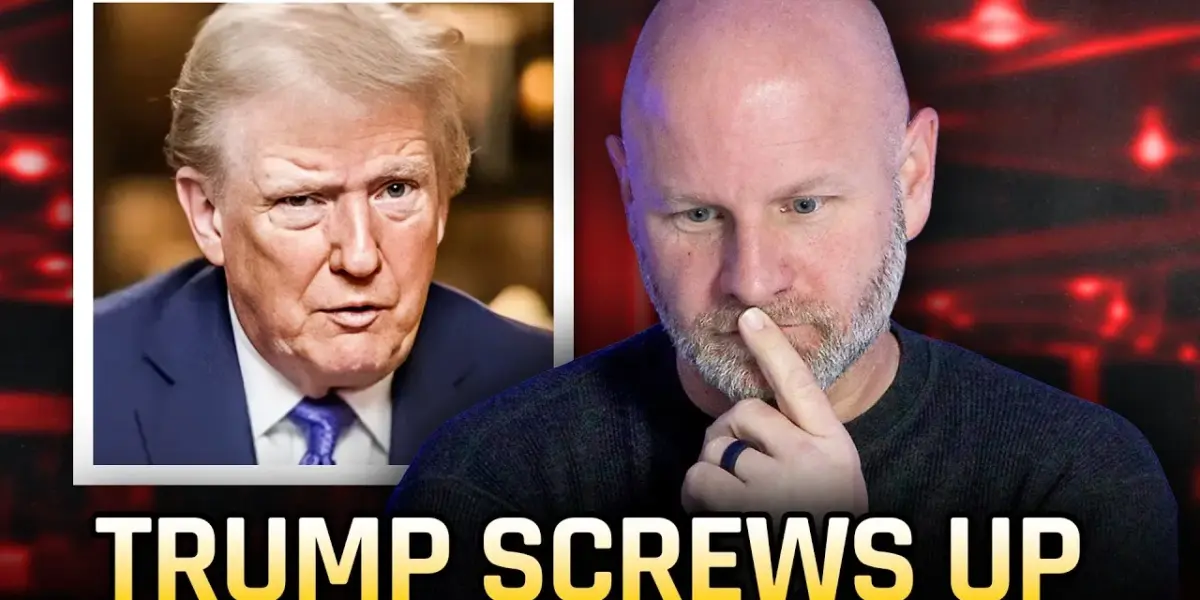
Middle East Conflict Fuels Inflation, Handing Midterms to Democrats
Donald Trump’s recent actions in the Middle East, specifically the invasion of Iran, have ignited a volatile geopolitical situation with immediate and far-reaching economic consequences. The conflict has sent oil and gas prices soaring, a stark contrast to Trump’s persistent claims of successfully lowering costs for Americans. This surge in energy prices, coupled with a broader inflationary trend across nearly all commodities, presents a significant challenge for his administration and a potent electoral weapon for the Democratic party heading into the midterm elections.
A Familiar Pattern: Oil Prices and Geopolitical Instability
The escalating tensions in the Middle East have had a dramatic and immediate impact on global oil markets. Within hours of the conflict’s escalation, oil prices experienced a sharp spike, reaching levels not seen in years. This surge is directly linked to the instability in a region that is critical for global energy supply. A senior adviser from Gulf Oil, speaking anonymously, highlighted the severity of the situation. “We were all set to rise to $3.10 or $3.25 a gallon with a peaceful Persian Gulf. We’ll now get there very quickly. And the action of the last 48 hours puts higher numbers in play,” the advisor stated. This quote, while not attributed to a named individual within the transcript, points to an expectation of price increases even in a peaceful scenario, with the conflict serving as an accelerant.
The implication is that the oil industry was poised to increase prices regardless, but the conflict provides a convenient and powerful justification for doing so. This suggests a potential exploitation of the geopolitical crisis for profit, further exacerbating the economic burden on consumers.
The Strait of Hormuz, a vital chokepoint for global oil transport, has been partially or fully closed for periods over the weekend. Approximately 20% of the world’s oil supply flows through this critical waterway. Any disruption, even temporary, has a significant ripple effect on global supply and, consequently, on prices. This physical constraint on supply, independent of corporate pricing strategies, is a fundamental driver of the current price hikes.
Broader Economic Headwinds: Inflation Under Trump
The spike in oil prices is not an isolated incident but rather the latest development in a broader inflationary trend that has impacted the United States during Trump’s tenure. The transcript asserts that “the price of almost everything has gone up, except for one thing” – referring to oil prices which had seen a temporary decline before the recent conflict. This claim suggests that consumers have been facing rising costs for a wide array of goods and services for over a year. The renewed surge in energy costs, therefore, compounds existing economic pressures on households.
The narrative presented is that Trump’s administration has presided over a period where everyday necessities have become more expensive. The conflict in the Middle East, initiated by Trump’s invasion of Iran, is framed as the catalyst that will solidify this trend, pushing prices even higher. The argument is that this escalating economic hardship, directly linked to a foreign policy decision, will have a profound impact on voter sentiment.
Electoral Implications: A Gift to the Democrats?
The central thesis of the analysis is that Donald Trump’s decision to engage in a military conflict in the Middle East has effectively handed the upcoming midterm elections to the Democratic party. The reasoning is straightforward: economic distress is a powerful motivator for voters, and rising gas prices, alongside general inflation, directly impact household budgets. The transcript posits that this economic instability, combined with the human cost of conflict, will resonate with voters and drive them to support the opposition party.
While acknowledging the possibility of election disruptions, the analysis assumes that the midterms will proceed as scheduled. Based on this assumption, the prediction is that Democrats will not only retain control of the House of Representatives, which was already considered a likely outcome, but will also win control of the Senate. This is presented as a significant shift, attributing the potential Senate victory directly to the fallout from Trump’s foreign policy actions. The motivation behind the invasion is described as a “desperate desire to prove that he’s a big strong man,” with the operation characterized as having “no objectives, no clue, and no end in sight.”
Why This Matters
This analysis highlights the intricate and often volatile relationship between foreign policy, global economics, and domestic politics. The decision to engage in military action, particularly in a region as critical to global energy markets as the Middle East, carries immediate and predictable economic consequences. The transcript argues that these consequences, namely rising inflation and energy costs, are not abstract but have tangible effects on the lives of ordinary citizens. These effects, in turn, can significantly influence electoral outcomes.
The piece suggests that voters will likely hold the administration accountable for economic hardship, especially when it appears to be directly linked to executive decisions. The narrative of Trump “handing the midterms to the Democrats on a silver platter” underscores the idea that political miscalculations, particularly those with severe economic ramifications, can have profound and unintended electoral consequences. It serves as a reminder that foreign policy is not conducted in a vacuum and that its impact reverberates through the domestic economy and the political landscape.
Historical Context and Future Outlook
Historically, periods of economic hardship and rising inflation have often been detrimental to incumbent parties. Voters tend to punish administrations perceived as failing to manage the economy effectively. The oil shocks of the 1970s, for instance, significantly impacted public sentiment and contributed to political shifts. The current situation, while unique in its specific triggers, taps into this historical pattern of voter concern over economic stability.
The future outlook hinges on several factors. The duration and intensity of the conflict in the Middle East will be critical. A prolonged war will likely sustain high energy prices and further inflame public discontent. Conversely, a swift resolution, though seemingly unlikely given the description, could offer some relief. The effectiveness of the Democratic party in capitalizing on these economic grievances will also play a crucial role. Their ability to articulate a clear economic message and offer credible solutions will determine whether they can translate voter dissatisfaction into electoral gains.
Furthermore, the analysis implies a potential for increased political polarization. The framing of Trump’s actions as driven by personal ego and a desire for a “strongman” image, rather than strategic objectives, could deepen partisan divides. The success of the Democrats in the midterms, if it materializes as predicted, would likely embolden them and set the stage for future political battles, potentially with continued focus on economic management and foreign policy accountability.
Source: Trump Just Handed Midterms To The Democrats (YouTube)

Related Articles

Trump Drops Kristi Noem: A Political Earthquake?
Speculation is rife as unconfirmed reports suggest Donald Trump has 'fired' Governor Kristi Noem. This alleged political severance highlights Trump's enduring influence and the precarious nature of alliances within the Republican party.


US Escalates Middle East Conflict: ‘No Boots on Ground’ a Dangerous Deception
The Senate's move to block war restrictions on Iran signals a dangerous abdication of oversight, enabling an undeclared conflict. This analysis explores the deception of 'no boots on the ground,' the exploitation of proxy forces like the Kurds, and the profound economic and human costs borne by the working class.
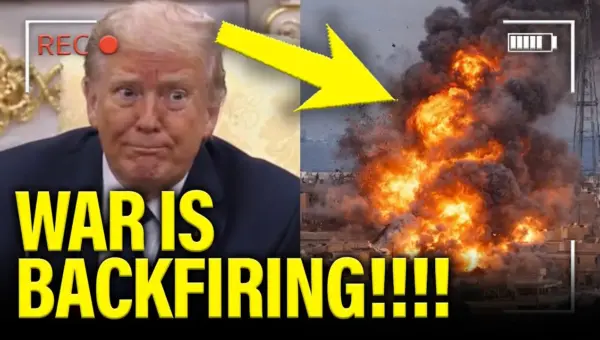
Trump’s Iran Gambit Backfires, Igniting Regional Chaos
Donald Trump's Iran policy appears to be backfiring spectacularly, igniting regional chaos and escalating attacks across the Middle East. The alleged lack of a coherent plan is leading to dangerous miscalculations and a volatile geopolitical landscape.