Middle East Conflict Boosts Putin’s War Chest, Weakens Russia’s Rivals
New Middle East conflict dynamics are inadvertently benefiting Russia, providing Putin with advantages in oil revenue and depleting U.S. military stockpiles. Ukraine's offer of drone expertise emerges amidst these complex geopolitical shifts.

Middle East Tensions Offer Putin Unexpected Advantages
Recent military actions in the Middle East, ostensibly aimed at curbing Iran’s growing missile and drone capabilities, are inadvertently providing significant, albeit indirect, benefits to Russia and its leader, Vladimir Putin. While the United States and its allies focus on a new front, the ripple effects are being felt across global alliances and geopolitical landscapes, potentially bolstering Russia’s war effort in Ukraine and isolating its rivals.
Iran Strike: Preemptive Measure or Escalation?
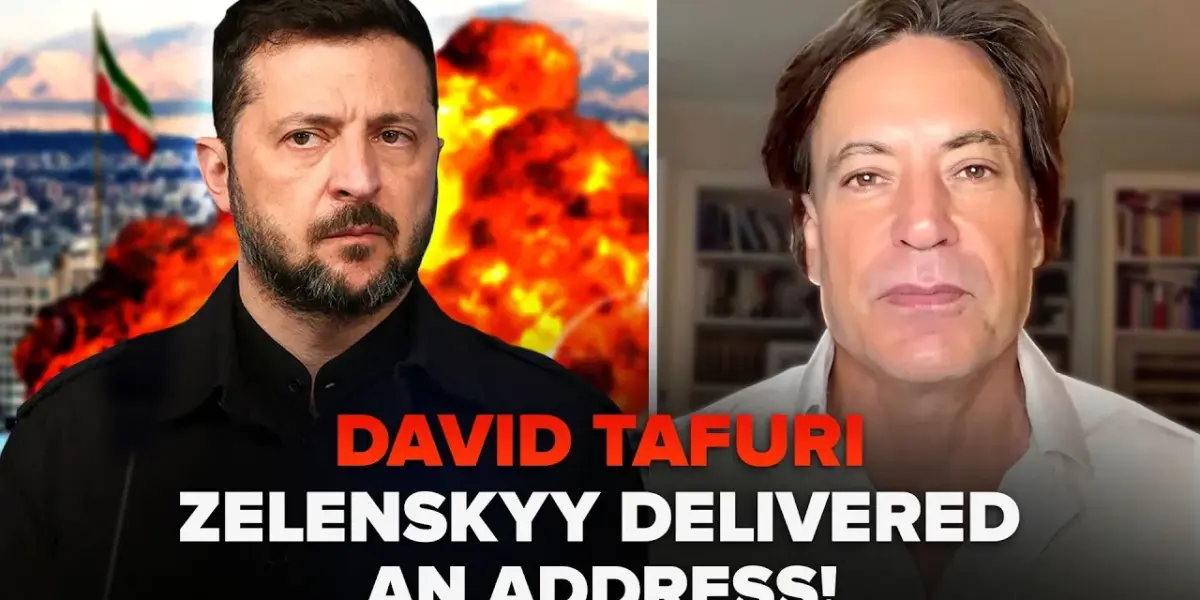
U.S. Secretary of State Mark Rubio stated that the operation against Iran was a necessary preemptive measure, warning that Iran’s rapid development of short-range missiles and drones within a year to a year and a half could have allowed it to “take the entire world hostage.” International lawyer and former U.S. State Department official David Turi acknowledged the validity of this concern, noting anecdotal evidence of Iran’s improving ballistic missile technology and increasing range. “This certainly was a danger not just to Iran’s neighbors, not just to the United States, but to the world because Iran is a pariah state and often supports terrorism, often supports violence against other countries, seeks to destabilize other countries in the region,” Turi explained. Allowing Iran to advance militarily in such a manner, he added, would constitute a “global threat.”
Ukraine’s Drone Expertise Offered Amidst Global Tensions
In a surprising development, Ukrainian President Volodymyr Zelenskyy proposed sending Ukrainian drone interception experts to the Middle East. Ukraine, recognized as a global leader in tactical drone technology and battlefield-tested expertise, possesses significant experience in drone operation and manufacturing. Turi highlighted that Ukraine is particularly skilled at countering the Shahid drones, which are manufactured by Iran and supplied to Russia, and are now being used by Iran against its adversaries. “The offer by President Zelenskyy is one that would be tempting for the U.S. and for the other countries that are under attack from Iran,” Turi commented, suggesting that recipients “should seriously consider it.”
European Fears of Western Disengagement
Concerns are mounting in Europe that renewed U.S. focus on the Middle East could divert attention and resources away from Ukraine, potentially delaying crucial weapons deliveries. Turi acknowledged these fears, stating, “I do think that the current situation with Iran is distracting the Trump administration away from the crisis in Ukraine and that’s going to take away their attention. It’s also going to perhaps cause them to divert some of the resources that could have gone to Ukraine to the fight with Iran.” He stressed that Europe must recognize its need to be prepared to support Ukraine independently, especially given past instances where U.S. support has fluctuated.
Russia’s Shrinking Alliances
The geopolitical landscape is increasingly isolating Russia, with key allies facing significant challenges. The fall of regimes in Syria and Venezuela has weakened Russia’s global standing. Turi noted, “Russia is losing its best friends. It lost Syria over a year ago when the Assad government fell and uh Venezuela more recently when Maduro was removed.” He added that if Iran were to undergo regime change and transition towards democracy, it would likely cease to be a close ally of Russia, leaving Moscow with limited support from countries like Belarus and North Korea. “It’s really isolated at this point,” Turi concluded.
Strait of Hormuz: A Boon for Russian Oil Revenue
The conflict in the Middle East has raised concerns about the stability of the Strait of Hormuz, a critical chokepoint for global oil and gas transport, with over 20% of global energy experts passing through it. Threats to this waterway could trigger a sharp surge in energy prices. For Russia, where oil and gas revenue constitutes approximately 45% of its federal budget, higher commodity prices translate directly into increased funding for its war in Ukraine. “In other words, is Putin benefiting from this?” the interviewer asked. Turi responded, “at least in the short term he could benefit by there’s already been an increase in uh oil prices and so it may be able to sell its oil for a higher price.” However, he expressed confidence that the U.S. and its allies would ultimately ensure the Strait remains navigable, preventing a long-term surge in prices that would benefit Russia.
Arms Trade and Depleted U.S. Stockpiles Benefit Moscow
The conflict also presents potential advantages for Russia through arms trade and the depletion of American military stockpiles. Even amidst hostilities, Iran has reportedly agreed to purchase military hardware from Russia. Turi acknowledged that any sale benefits Russia, but expressed skepticism about Russia’s ability to fulfill such orders currently due to U.S. monitoring and potential interdiction of shipments. A more significant benefit for Russia, according to Turi, is the depletion of U.S. munitions, particularly precision munitions and interceptor missiles. “The more these weapons are used in the Middle East, the fewer remain available for Ukraine,” he stated, highlighting the “big risk for Ukraine” stemming from this dynamic. He urged Ukraine and Europe to prepare to fight the war without consistent U.S. support, especially under a potential Trump presidency.
China’s Role and Potential Taiwan Escalation
China has called for the safe passage of vessels through the Strait of Hormuz, a move that could signal its growing influence in maritime security. While China has not taken retaliatory actions against the U.S. operation in Iran, its reliance on Middle Eastern oil makes securing trade routes a priority. Turi suggested that China might be seeking alternative oil sources given Iran’s precarious situation. The potential for China to exploit U.S. preoccupation with the Middle East to escalate activities related to Taiwan was also discussed. Turi believes this is a possibility, as a U.S. response to Chinese aggression towards Taiwan might be hampered by resource and attention diversions to the Middle East. However, he also noted that China cannot be certain the U.S. wouldn’t quickly redeploy assets, and that Ukraine’s resilience in the face of a larger adversary offers a lesson for Taiwan on the effectiveness of determined defense.
Impact on Trump’s Approval and Future Presidency
The long-term impact of the Iran operation on Donald Trump’s approval ratings remains uncertain and depends heavily on its outcome. Turi noted that ambitious goals, such as regime change in Iran, may prove difficult to achieve without significant U.S. involvement, potentially leading to public concern over costs and casualties. He also pointed out that many Americans may still favor diplomatic solutions, such as the 2015 nuclear deal, over military intervention. While recent polling data is scarce due to the operation’s recency, Turi anticipates that American public opinion will closely track U.S. losses, which have already included soldiers and aircraft, as President Trump himself has warned of further casualties.
Looking Ahead
As the situation in the Middle East unfolds, the international community will be closely watching the effectiveness of U.S. actions against Iran, the potential for further escalation, and the ongoing impact on global energy markets. The strategic implications for Russia, particularly its ability to fund the war in Ukraine, and the evolving alliances between major powers like China will remain critical areas of focus. Furthermore, the resilience of European support for Ukraine and the potential for renewed U.S. engagement on the Ukrainian front will be closely scrutinized in the months to come.
Source: ⚡️Putin did not expect such from Zelenskyy! Panic in Moscow. Kremlin will be forced to go for it (YouTube)

Related Articles

Iran War Threatens Global Economy: Strait of Hormuz Closure Sparks Crisis
The closure of the Strait of Hormuz due to conflict involving Iran, the US, and Israel threatens to cripple global energy markets. Surging oil and gas prices, disrupted supply chains, and renewed inflation pose a significant risk to the world economy, impacting everything from consumer costs to central bank policies.


Kenyans Demand Return of Recruits Sent to Ukraine War
Kenyan families are demanding the urgent return of their sons and brothers, allegedly recruited under false pretenses to fight for the Russian military in Ukraine. Harrowing reports suggest a casualty rate where less than 15% of recruits are believed to be alive, with many of the survivors in hospitals or having fled.

Iran War Disrupts Global Air Travel, Costs Soar
Escalating conflict in the Middle East has triggered massive flight cancellations and severe disruptions across global aviation, particularly impacting major Gulf hubs like Dubai and Doha. The war is imposing significant financial costs on airlines due to longer routes and increased fuel expenses, while also damaging the region's image as a safe destination.