Middle East Ceasefire Falters, Shaking Global Markets
Markets are reacting nervously as a Middle East ceasefire shows signs of strain. Oil prices are volatile, impacting global economic outlooks. Drivers may see some relief at the pump, but ongoing instability remains a concern.

Middle East Ceasefire Falters, Shaking Global Markets
Markets are feeling nervous again. Stocks are expected to open lower today. This is because people are unsure about a ceasefire in the Middle East. Just yesterday, the markets had their best day in over a year. That was when everyone hoped the fighting would stop. Now, with the ceasefire on shaky ground, many wonder if we should expect more economic trouble.
Oil Prices See Volatility
Investors are on edge. The ceasefire is fragile, and that uncertainty is making markets jumpy. Yesterday, there was a lot of hope baked into the market about the ceasefire. Today, markets are pulling back a bit, showing that worry. A big reason for this nervousness is oil prices. They had dropped about 15% in the last 24 hours. Now, they are starting to climb back up.
However, oil is still trading below $100 a barrel. This means it’s holding onto some of those earlier losses. That’s good news for drivers and the economy. These prices are still lower than what we’ve seen in the last three weeks. So, there’s still a bright side if this trend continues.
Relief at the Gas Pump?
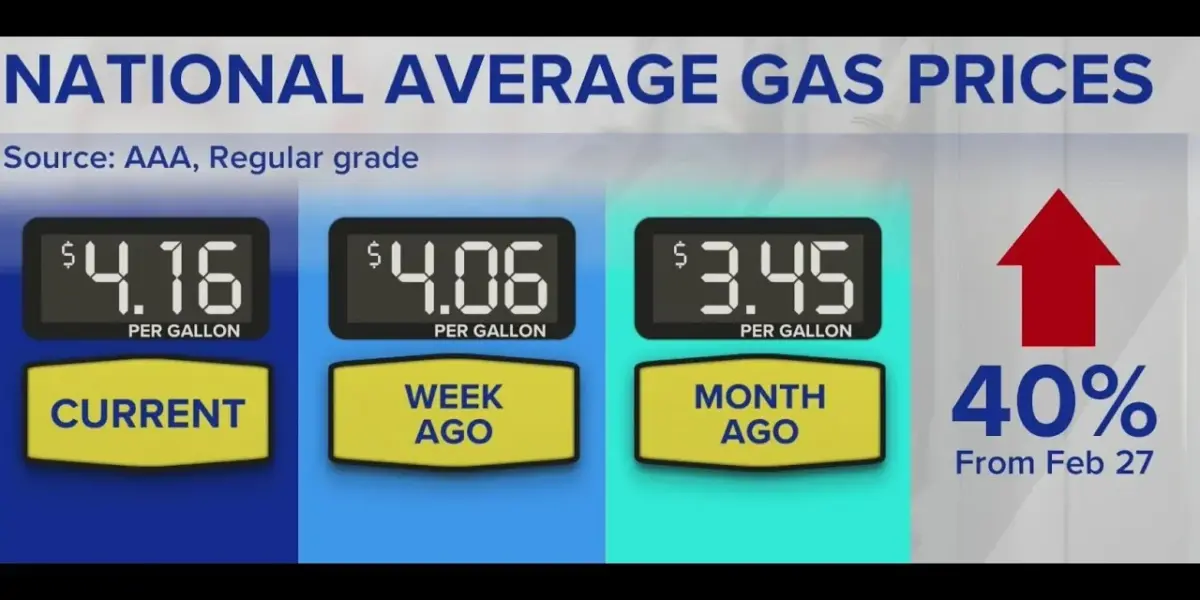
Analysts believe drivers might see more good news soon. National average gas prices could start to fall in the next few days. GasBuddy’s head of petroleum analysis suggests that within 36 hours, prices could drop by $0.01 to $0.03 every couple of days. Over the next two weeks, we might see gas prices decrease by 10% to 30%.
This would be progress. It won’t erase the full dollar-plus increase we’ve seen at the pump recently. But it’s a step in the right direction. The situation shows how closely the global economy is tied to events in the Middle East. Even small signs of peace can boost markets. But any sign of trouble can quickly cause prices to rise again.
Global Impact: Economic Interdependence
This situation highlights how interconnected the world’s economies are. The Middle East is a major source of oil. Any conflict or even the threat of conflict there directly affects global energy prices. When oil prices go up, it costs more to transport goods. This makes everything from food to electronics more expensive. It also increases the cost of driving for everyday people.
Conversely, when there’s hope for peace and oil prices fall, it can ease some of this economic pressure. Lower oil prices can help reduce inflation. They can also boost consumer spending because people have more money left over. The market’s reaction shows that investors are watching the Middle East very closely. They are ready to react quickly to any news, good or bad.
Historical Context: Oil and Geopolitics
For decades, the Middle East has been a critical region for global energy supplies. Major oil-producing nations are located there. This has often made the region a focal point for international diplomacy and, at times, conflict. Past conflicts and political instability in the region have consistently led to spikes in oil prices. This has impacted economies worldwide.
Agreements and disagreements between Middle Eastern countries and global powers often revolve around oil. The flow of oil through key shipping routes, like the Strait of Hormuz, is vital. Disruptions to these routes can have immediate and severe economic consequences. The current market reaction is a modern example of this long-standing relationship between Middle Eastern stability and global economic health.
Future Scenarios
Several outcomes are possible. If the ceasefire holds and fighting truly stops, oil prices could stabilize or continue to fall. This would provide significant relief to consumers and businesses globally. Markets would likely react positively, with stocks potentially rising.
However, if the ceasefire breaks down completely and fighting intensifies, we could see oil prices surge again. This would likely lead to further market declines and increased economic uncertainty. Consumers would face higher gas prices, and inflation could worsen. A prolonged period of uncertainty, with the ceasefire constantly in doubt, could also keep markets on edge, causing ongoing volatility.
Source: Markets slips as Iran ceasefire shows signs of strain | Morning in America (YouTube)

Related Articles


Trump’s Wild Rants Expose a Presidency Adrift
Donald Trump's recent 'batshit crazy' outbursts, attacking former allies and reacting erratically to the Iran crisis, signal a leader adrift. Professor Scott Lucas argues this isn't diplomacy but desperate shouting, as geopolitical tensions escalate and traditional allies seek new paths.
China Courts US Oil Amid Iran Deal, Rare Earth Race Heats Up
China is now importing US oil amid a complex geopolitical landscape, including brokering an Iran ceasefire and facing challenges in its rare earths dominance. Meanwhile, regional disputes over strategic islands and airspace add to global tensions.

Iran Threatens Strait of Hormuz Amid Lebanon Strikes
Iran threatens to close the vital Strait of Hormuz in response to ongoing strikes in Lebanon. The US is trying to de-escalate, but actions on the ground remain a concern, potentially impacting global oil markets and future negotiations.