Michigan Rebels: Trump’s Policies Fuel Backlash
A deep dive into the growing backlash against Donald Trump's policies in Michigan, revealing how tariffs, rising costs, and a perceived lack of accountability are fueling discontent and potentially reshaping the state's political landscape.

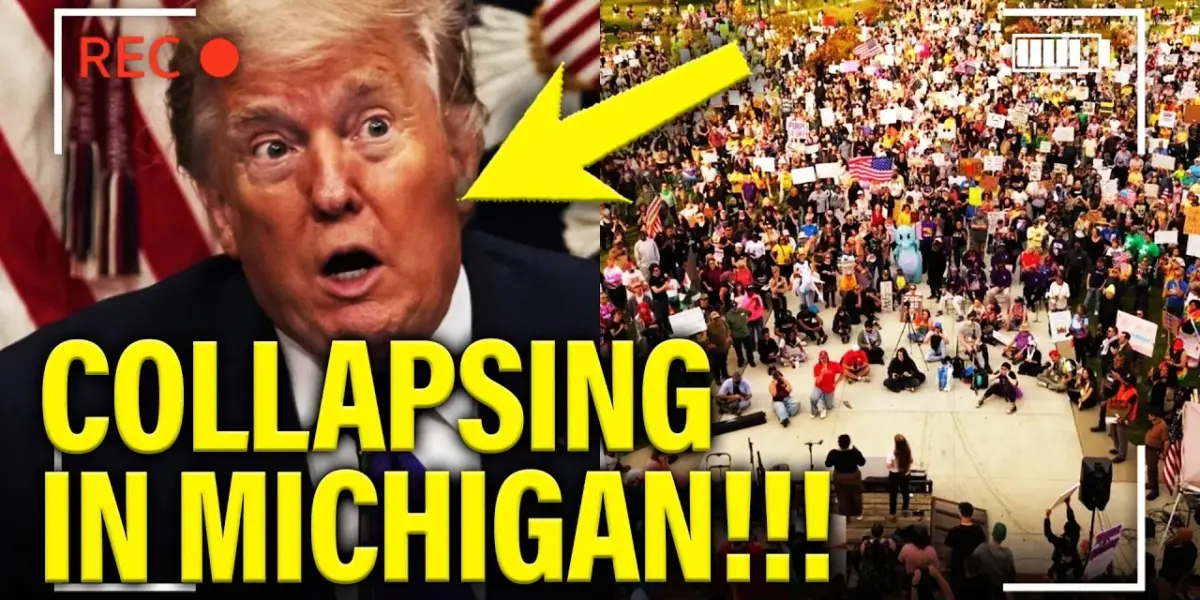
Michigan Rebels: Trump’s Policies Fuel Backlash
Donald Trump’s standing in Michigan, a state he previously carried, appears to be facing a significant downturn. Recent polling indicates a net negative approval rating of -17.9%, suggesting a growing dissatisfaction among the state’s residents. This sentiment is not merely a reflection of broken promises, but a response to policies perceived as actively detrimental to Michigan’s economy and its people.
Tariffs Ignite Legal Battles and Economic Strain
One of the most prominent sources of this discontent stems from Trump’s imposition of tariffs. Michigan, alongside two dozen other states, has filed a lawsuit against the Trump administration challenging new tariffs. The lawsuit argues that these tariffs, particularly those impacting global trade, are severely harming Michigan’s industries and consumers. This legal challenge highlights a broader frustration with policies that, after being rejected by the Supreme Court, were circumvented through the invocation of Section 122 of the Trade Act of 1974. The administration’s subsequent imposition of a 15% tariff on goods from the entire world, and attempts to then seek aid from the very allies subjected to these tariffs, is seen by critics as a self-defeating and damaging approach.
The economic ramifications are palpable. Michigan Attorney General Dana Nessel has voiced concerns that these federal policies are directly increasing energy prices for residents. A notable example is the emergency order compelling the JH Campbell power plant to remain operational past its planned closure, a decision mandated by the Trump administration. Consumer Energy disclosed that operating this coal-fired plant in 2025 will cost over $135 million. Nessel argues that such mandates not only burden consumers with higher costs but also pose risks to public health and safety.
For-Profit Prisons and Campaign Contributions: A Lucrative Connection
Beyond trade and energy policies, the analysis points to a concerning nexus between political contributions and the expansion of for-profit prison companies. The GEO Group, a company operating an ICE detention center in Michigan, has reported record profits, making $254 million last year. This surge in profitability has occurred alongside significant campaign contributions to Donald Trump and his allies. Critics argue that this financial entanglement suggests policies favoring these corporations may be influenced by political donations, raising questions about corruption and the prioritization of private profit over public good.
Healthcare and the Erosion of Affordability
The issue of healthcare costs is another significant point of contention. State Senator Sean McCann, running for Michigan’s 4th congressional district, highlights how the “one big ugly bill” supported by incumbent Congressman Bill Huizenga, a MAGA Republican, exacerbates healthcare costs. McCann points to the expansion of Medicaid under the Affordable Care Act, which brought coverage to over a million Michiganders and helped control costs. He argues that Huizenga’s vote on the “one big ugly bill” could strip thousands of his constituents of Medicaid coverage and enrich billionaires and millionaires through tax cuts, all while doing nothing to extend Affordable Care Act tax credits. This, he contends, leads to premium increases of 200-300% for constituents, directly contradicting promises of lowering costs.
McCann also draws attention to the impact of tariffs on everyday expenses, noting rising grocery bills for families in Michigan. The disconnect between promises to lower costs and the reality of increasing prices for essential goods like hamburger and coffee is a recurring theme of frustration.
Strained International Relations and Local Representation
The relationship with Canada, a crucial neighbor for Michigan’s economy, has also been a point of concern. Trump’s rhetoric and policies, including tariffs and contentious statements regarding border security and the opioid crisis, have strained this vital alliance. The auto industry, with its interlinked supply chains across the St. Clair River, is particularly vulnerable to unpredictable trade policies. The proposed Gordie Howe International Bridge, intended to boost trade, faces an uncertain future amidst these diplomatic tensions. McCann emphasizes the silence of his opponent, Congressman Huizenga, on these critical issues, suggesting a lack of engagement and advocacy for Michigan’s interests.
The Importance of Local Representation and Engagement
Senator McCann contrasts his approach to public service with that of his opponent. He criticizes Huizenga for avoiding constituents and holding highly controlled, unengaging events, such as a single town hall where questions were reportedly not taken and constituents were yelled at. McCann emphasizes his own commitment to holding open town halls and coffee hours, believing in the importance of listening to constituents and understanding their concerns. He argues that true public service involves visibility, accountability, and a willingness to engage directly with the people represented. This perceived absence of engagement from the incumbent, coupled with policies seen as detrimental, fuels a desire for change in the district.
A Shifting Political Landscape
The analysis suggests a broader shift occurring in Michigan. The revival of Democratic Party activity in traditionally Republican areas and the growing energy around candidates like Sean McCann indicate a potential realignment. The message of affordability and anti-corruption, if effectively delivered and acted upon, could resonate deeply with voters disillusioned by current policies. The endorsement of McCann by prominent state figures like Governor Whitmer and Secretary of State Jocelyn Benson further underscores the perceived potential for flipping this congressional seat.
Why This Matters
The situation in Michigan serves as a microcosm of broader political and economic trends. It underscores the significant impact that federal policies, particularly concerning trade, healthcare, and energy, can have on state economies and the daily lives of citizens. The lawsuit against the tariffs and the focus on rising costs highlight a growing demand for economic policies that prioritize local well-being over abstract national objectives or partisan agendas. Furthermore, the discussion around campaign finance and the influence of corporations in politics, exemplified by the for-profit prison industry, raises critical questions about the integrity of the democratic process. The perceived disconnect between elected officials and their constituents, as highlighted by Senator McCann’s critique of his opponent’s engagement style, speaks to a fundamental challenge in modern representation: ensuring that politicians are accountable and responsive to the people they serve.
Implications, Trends, and Future Outlook
The events in Michigan suggest a potential vulnerability for candidates and parties whose policies are perceived as economically damaging or out of touch with the concerns of everyday citizens. The focus on affordability, healthcare, and sensible international relations points to key issues that will likely shape future elections. The narrative of fighting against corporate influence and prioritizing constituent needs could become a powerful mobilizing force. As demographics shift and new voters enter the electorate, the political landscape in states like Michigan may continue to evolve. The success of candidates who can effectively articulate and address these concerns will be crucial in determining future electoral outcomes and policy directions.
Historical Context and Background
Michigan has historically been a swing state, known for its industrial base and its role in national politics. Its economy has long been tied to manufacturing, particularly the automotive sector, making it sensitive to trade policies and global economic shifts. The state has also been a battleground for key national policy debates, from labor rights to environmental regulations. The current discontent can be seen as a continuation of this tradition, where voters hold elected officials accountable for the economic well-being of the state. The specific policies under scrutiny, such as tariffs and healthcare reform, have deep roots in American economic and political history, with ongoing debates about the role of government in the economy and the impact of globalization.
Source: Trump gets RUDE AWAKENING as he COLLAPSES…in MICHIGAN?!!! (YouTube)

Related Articles


Republican Dissent Signals Deep Trouble for Trump on Epstein Files
Republican dissent is growing over the handling of the Jeffrey Epstein files, with lawmakers admitting to being misled. This internal criticism signals significant trouble for Donald Trump, suggesting a deliberate cover-up rather than a commitment to transparency.


Military Brass Resists Trump’s War Push on Iran
Reports reveal internal dissent from military leaders urging caution against a full-scale attack on Iran. The administration's shifting justifications and perceived disregard for expert advice raise serious questions about strategic clarity and public trust.

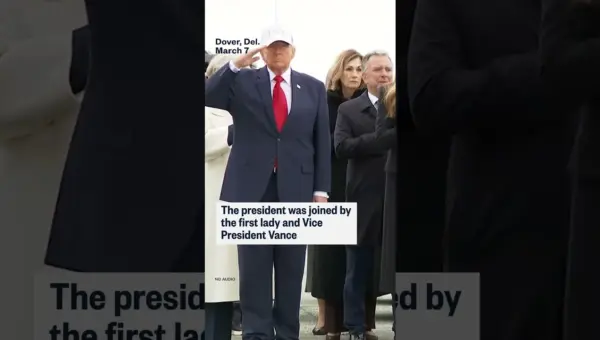
Trump Honors Fallen Soldiers in Dignified Transfer Ceremony
President Donald Trump attended a dignified transfer of remains ceremony to honor six U.S. troops killed in the recent Iran conflict. The solemn event underscores the human cost of escalating geopolitical tensions in the Middle East. The nation mourns the loss of its service members as the administration faces scrutiny over regional strategy.