Mexico Cartel War Explodes After US-Backed Raid
A US-backed operation to kill a top cartel boss has ignited a brutal narco-war in Mexico. The CJNG's retaliation showcases escalating tactics and vast financial resources, posing a growing threat to both nations.

Mexico Cartel War Explodes After US-Backed Raid
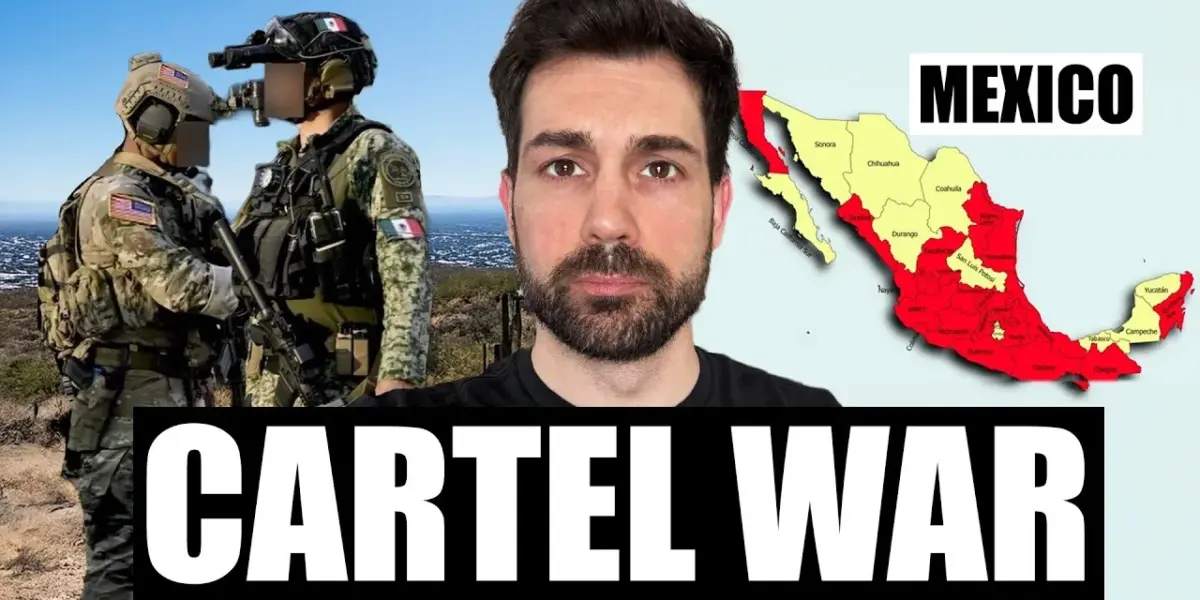
A meticulously planned operation, spearheaded by US military intelligence and executed by Mexican special forces, targeted and eliminated one of Mexico’s most notorious cartel leaders, Eleno, founder of the Jalisco New Generation Cartel (CJNG). The raid, which involved a coordinated assault with attack helicopters and ground troops in the town of Tapalpa, resulted in Eleno’s death and the elimination of several cartel operatives. However, this seemingly decisive victory has ignited a brutal narco-war, demonstrating the complex and escalating conflict between cartels, the Mexican state, and its US allies.
A High-Stakes Partnership
The operation to capture Eleno highlighted a significant, albeit not entirely new, level of cooperation between the United States and Mexico. US military intelligence tracked Eleno’s girlfriend, leading them to his secret location. The US deployed its Joint Interagency Task Force Counter Cartel, a unit comprised of intelligence personnel and law enforcement aimed at mapping cartel networks on both sides of the border. This task force provided targeting information to the Mexican army, which conducted the on-the-ground assault. While bilateral cooperation in combating cartels is not unprecedented – similar partnerships were instrumental in the capture of figures like El Chapo – the extent of US intelligence and targeting support in this instance appears to represent an escalation.
Mexico’s Defense Minister and US defense officials confirmed the operation was part of bilateral coordination. The intensity of the mission, with attack helicopters providing close air support against heavily armed cartel members wielding rocket launchers and machine guns, underscores the perceived threat posed by Eleno and the CJNG. The cartel’s founder was responsible for immense violence, including the proliferation of fentanyl and the creation of mass graves, making his removal a shared priority for both nations.
Retaliation: The Narco-War Unleashed
The celebration following Eleno’s death was short-lived. In a chilling display of power and a clear message of retaliation, cartel gunmen took to the streets, igniting widespread chaos. The CJNG established over 250 roadblocks across 20 Mexican states, employing tactics that resembled an insurgency more than a criminal organization. These blockades served to hinder military reinforcements, restrict mobility, and, in some instances, create traps for civilians, potentially as hostages. The cartel’s actions, including burning vehicles and blocking highways, were designed to instill fear in the population and the Mexican army.
The governor of Jalisco, Pablo Lemus, declared a “code red rojo,” effectively locking down the state and urging residents to shelter in place. This extreme measure highlights the cartel’s capacity to paralyze entire regions and demonstrate their control. The incident at Guadalajara airport, initially rumored to be an attack but later revealed as a false alarm, underscores the pervasive atmosphere of fear and the potential for hysteria to spiral out of control.
Escalating Tactics and Shifting Revenue Streams
The CJNG’s demonstrated capabilities extend beyond traditional drug trafficking. The cartel has become deeply involved in fuel theft, hijacking tanker trucks, bribing refinery owners, and extorting rig workers. This illicit fuel trade is reportedly generating billions of dollars annually, rivaling, and in some cases surpassing, their earnings from narcotics. The decline in fentanyl prices has likely intensified the focus on these alternative revenue streams.
This shift in financial power has enabled the cartels to acquire sophisticated weaponry, including .50 caliber rounds originally manufactured for the US military. These rounds have been used to shoot down helicopters and assassinate officials, demonstrating a clear military-grade threat. The source of these rounds is complex, with investigations revealing third-party purchases by private citizens and even some being acquired by the Mexican government itself before potentially falling into cartel hands.
Furthermore, the cartels are increasingly employing drones for surveillance and, potentially, for more aggressive operations. The temporary shutdown of El Paso International Airport due to an unidentified object, suspected to be a cartel drone, is a stark indicator of this evolving threat. The rise of bounty structures targeting US law enforcement and border officials, with payouts for information, kidnapping, or even killing, suggests an alarming escalation towards an insurgency.
US Pressure and Mexico’s Response
The US government has been exerting significant pressure on Mexico to crack down on cartel activity. Threats of tariffs and unilateral military action have been employed as leverage. In response, Mexico has extradited numerous high-profile narco-traffickers to the US. However, the effectiveness and timing of these actions are debated, with critics questioning if they are “too little, too late.” Mexican President Andrés Manuel López Obrador has historically been hesitant to target cartel leaders directly due to the risk of triggering retaliatory violence, making the recent operation a notable departure.
The Rise of Private Security and a Blurred Line
Amidst the escalating violence, private security companies have begun deploying assets to Mexico, offering extraction services for US citizens. These operations, often staffed by former special forces personnel, could operate without diplomatic cover, potentially creating international complications. This mirrors past US private military contractor involvement in Colombia, raising questions about whether a similar trend will emerge in Mexico.
Why This Matters
The elimination of Eleno, while a significant blow to the CJNG, has not diminished the cartel’s power but rather unleashed a more aggressive and widespread conflict. The situation highlights the profound instability plaguing Mexico, which has direct implications for US national security and economic interests. The US seeks to invest heavily in Mexico as an alternative to China, but the pervasive threat of narco-violence and instability makes such ventures precarious.
The cartels’ evolving tactics, from sophisticated fuel theft operations to the potential weaponization of drones and the acquisition of military-grade weaponry, demonstrate a growing capacity to challenge the state. The blurred lines between criminal enterprises and insurgent forces, coupled with the increasing involvement of US intelligence and potential for private military action, paint a complex and dangerous picture. The future outlook suggests a continued escalation of violence and a greater need for strategic, coordinated efforts between the US and Mexico, while also addressing the root causes of cartel power and the complex financial ecosystems that sustain them.
Historical Context and Future Outlook
For decades, the US and Mexico have grappled with the challenges posed by drug cartels. The “war on drugs” has seen fluctuating levels of cooperation and conflict, with periods of intense joint operations interspersed with diplomatic tensions. The capture of prominent cartel leaders has historically led to periods of increased violence as power vacuums are filled and rivals vie for control. The current situation, however, appears to be characterized by a more sophisticated and deeply entrenched cartel infrastructure, fueled by diverse revenue streams beyond traditional drug trafficking.
The CJNG, in particular, has emerged as one of the most powerful and violent cartels, exhibiting a level of organization and military-like tactics that are increasingly concerning. The cartel’s ability to fund extensive retaliatory campaigns and its growing control over vital industries like fuel extraction suggest a long and arduous road ahead. The prospect of direct confrontation between the US and cartel forces, or an increased reliance on private military actors, looms larger as the instability deepens. The effectiveness of joint task forces and intelligence sharing will be crucial in mitigating the escalating violence and regaining control over affected regions, but the underlying issues of corruption, economic disparity, and demand for illicit goods remain significant challenges.
Source: How Mexico's Top Cartel Boss was Killed by Special Forces (YouTube)

Related Articles


York’s Drug War: County Lines Explode After Gang Takedown
Police investigations reveal how the fall of a powerful local drug gang in York created a vacuum, allowing "county lines" operations to flourish. These phone-based drug networks, often run from other cities, have brought a new wave of violence and exploitation to the historic city. This article explores the tactics, branding, and brutal reality of county lines, and the police response.
US Prioritizes Mexico in NAFTA Talks, Eyes Canadian Breakup
The U.S. has initiated NAFTA talks, prioritizing Mexico due to its economic potential and younger workforce. Canada's exclusion highlights a complex mix of strategic goals and political friction, with potential implications for its sovereignty and U.S. industrial capacity.
Drug Lords Found: Kinahan Cartel Leaders Spotted in Dubai
Investigative journalists have located and photographed Daniel and Christy Kinahan, leaders of the notorious Kinahan cartel, attending an MMA fight in Dubai. The cartel, a global criminal enterprise with billions in assets, has evaded international law enforcement for years, operating from the UAE. Their continued activities fuel drug addiction and fund terrorist groups worldwide.