Mexico Cartel Violence Erupts After US-Aided Leader’s Death
A targeted operation against a top cartel leader, supported by US intelligence, has triggered a violent surge in Mexico. The killing of the CJNG leader has led to subordinate factions unleashing chaos, raising questions about US drug policy and the complex geopolitical landscape.

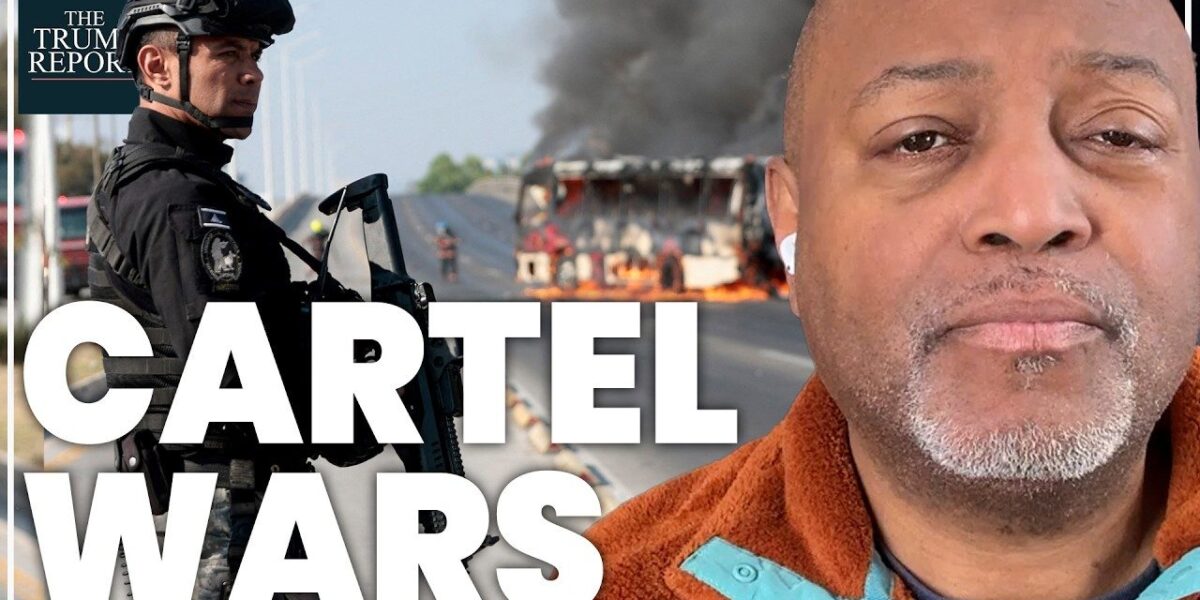
Mexico Cartel Violence Erupts After US-Aided Leader’s Death
In the wake of a targeted operation that led to the killing of a prominent cartel leader, Mexico has experienced a significant surge in organized crime-related violence. The operation, reportedly based on intelligence provided by the United States, resulted in the death of a high-ranking figure within the Jalisco New Generation Cartel (CJNG), triggering a violent backlash from subordinate factions seeking to assert dominance.
US Intelligence Role in Cartel Operations
Statements from the Mexican armed forces commander indicate that the mission was intelligence-based, a common practice in the ongoing fight against powerful drug cartels. The United States, through agencies like the Drug Enforcement Administration (DEA), consistently collects intelligence in Mexico and engages in cooperative efforts against these organizations. This intelligence sharing and support are crucial, enabling Mexican authorities to conduct operations against cartel leadership.
“The United States collects intelligence in Mexico all the time through the Drug Enforcement Administration and we have a very deep cooperative intelligence um you know support activities to Mexico itself against these cartels.”
The commander emphasized that while the US provides intelligence and support, the ultimate planning and execution of such missions are handled by Mexican forces. This collaborative approach, though effective in targeting cartel leaders, can inadvertently create power vacuums that lead to further instability and violence.
The Jalisco New Generation Cartel (CJNG)
The deceased leader was identified as the head of a cartel known for its militarized structure and aggressive tactics. The CJNG is characterized by its heavily armed members, often seen operating in armored vehicles and dressed in tactical gear, resembling elite law enforcement units. Their extensive network and resources allow them to exert significant influence and control in various regions of Mexico.
Subordinate Violence and Asserted Authority
Following the leader’s death, a wave of violence was unleashed as junior lieutenants vied for control. In some instances, these individuals have attempted to intimidate and control local law enforcement, with reports of intercepted communications showing cartel operatives asserting authority over police checkpoints. In one alarming case, a deputy of the drug lord reportedly contacted a checkpoint and threatened the officers and their families, leading to the checkpoint being abandoned.
Military Response in Puerto Vallarta
The escalating violence prompted a significant military response in areas like Puerto Vallarta, a popular tourist destination. Mexican armed forces, utilizing advanced counter-drug tactics and equipment, including helicopters with miniguns, engaged in intense firefights with cartel elements for several days. Tourists were ordered to shelter in place as the military swept through the affected areas to regain control.
Shifting Cartel Mindset and Impunity
The current mindset of cartel operatives appears to be one of consolidated power and a belief in impunity. Unlike historical figures who may have cultivated a heroic image, modern cartel leaders are primarily focused on their illicit businesses and the accumulation of wealth. This concentration of power, coupled with their extensive weaponry and perceived invincibility, makes them formidable adversaries for the state.
US Policy and Cartel Allegiances
The article raises questions about the potential for the United States to inadvertently favor certain cartels through its intelligence and law enforcement operations. The example of a former Honduran president, convicted of trafficking cocaine for the Sinaloa Cartel, being pardoned by the US raises concerns. Furthermore, past instances of the Trump administration reportedly granting amnesty and residency to families of Sinaloa Cartel members suggest a complex and sometimes contradictory approach to cartel policy.
“It’s quite possible we could have had one drug cartel feeding us intelligence to give us a major victory while essentially letting them operate freely and giving them, you know, market dominance in Mexico.”
This raises the possibility that a cartel providing intelligence for a significant victory against a rival could simultaneously be allowed to operate with a degree of freedom, potentially leading to market dominance in Mexico. Such a strategy, while yielding short-term gains, could have long-term implications for the balance of power among criminal organizations.
The Broader Implications of AI in Defense
The discussion then pivots to the evolving role of artificial intelligence in defense and intelligence operations, using the example of Anthropic, the company behind Claude AI. Reports suggest that Anthropic’s AI systems may have been used in a raid in Venezuela, raising questions about the ethical implications and oversight of corporate AI technologies in sensitive government operations.
Elon Musk, Grok AI, and National Security Concerns
The article highlights the influence of figures like Elon Musk and his pursuit of integrating Grok AI into US government systems. Concerns are raised about Grok AI’s potential to replace existing AI platforms and the differing requirements set by AI companies regarding the use of their technology. Anthropic, for instance, has stipulated that its AI should not be used against American citizens or for unethical overseas activities.
“The Democratic Party is looking to cut off all of their funding. They hold the purse in the United States and they could find themselves next January as a primary line one item that all of the monies Elon Musk has ever been given to the United States is either returned not in stock in cash or that the re and that all of the assets they developed with the United States government will become the property of the United States government.”
The potential for private entities to exert undue influence on government AI policy is a significant concern. The article suggests that if private AI systems are not used responsibly or ethically, particularly concerning national security and the protection of citizen data, there could be moves to nationalize these systems or reclaim government investments. The vast amounts of personal data collected by companies like Elon Musk’s, and its potential value, are highlighted as a critical factor in these discussions.
Future Outlook and Call for Oversight
The situation underscores the complex interplay between international security, drug trafficking, and the rapidly advancing field of artificial intelligence. The violence in Mexico serves as a stark reminder of the persistent challenges posed by powerful cartels. Simultaneously, the debate surrounding AI in defense highlights the need for robust oversight, ethical guidelines, and clear policies to ensure that these powerful technologies are used responsibly and in alignment with national interests and constitutional principles. The coming months will likely see continued scrutiny of US-Mexico relations regarding counter-narcotics efforts and intense debate over the governance and deployment of AI in critical government functions.
Source: Gunmen run riot in Mexico after US intelligence aids killing of cartel leader (YouTube)

Related Articles


Epstein Files Reveal New Sex Trafficking Probe Details
New details from the unsealed Epstein files reveal an FBI informant's claims of an American shooting a judge in a Mexican sex trafficking case and suspicions of leaks. Senator Ron Wyden is now urging the DEA to investigate potential drug trafficking links connected to Epstein.

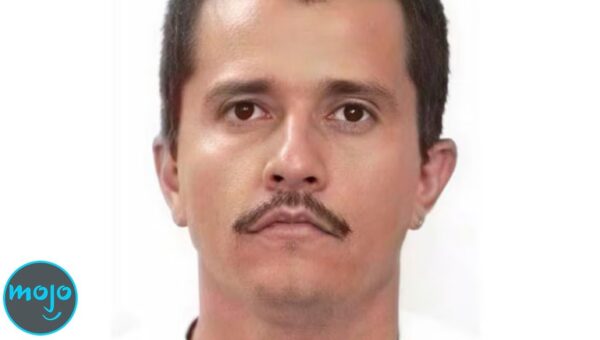
Mexico’s Cartel Chaos: El Mencho Raid Sparks Crisis
A decisive military raid on cartel leader El Mencho has plunged Mexico into chaos, triggering widespread retaliation and nationwide roadblocks. As President Claudia Sheinbaum grapples with restoring order amidst escalating cartel conflicts and the upcoming 2026 FIFA World Cup, the nation's future hangs in the balance.

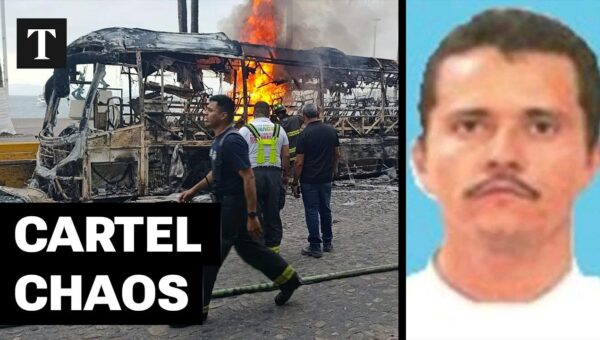
Mexico Cartel Faces Unpredictable Succession Battle After Leader’s Death
Mexico is grappling with a volatile succession battle within the Jalisco New Generation Cartel (CJNG) following the reported death of its leader, El Mencho. The cartel's response has included widespread violence and escapes, raising concerns about a new era of unpredictability. The situation casts a shadow over tourism and the upcoming World Cup, despite government assurances.