Meta’s Cynical Play: Facial Recognition in Ray-Ban Glasses
Meta is reportedly planning to integrate facial recognition into its Ray-Ban Stories smart glasses, with internal documents suggesting a cynical launch strategy to avoid public backlash. Civil liberties groups have universally condemned the move, citing profound privacy and surveillance concerns.

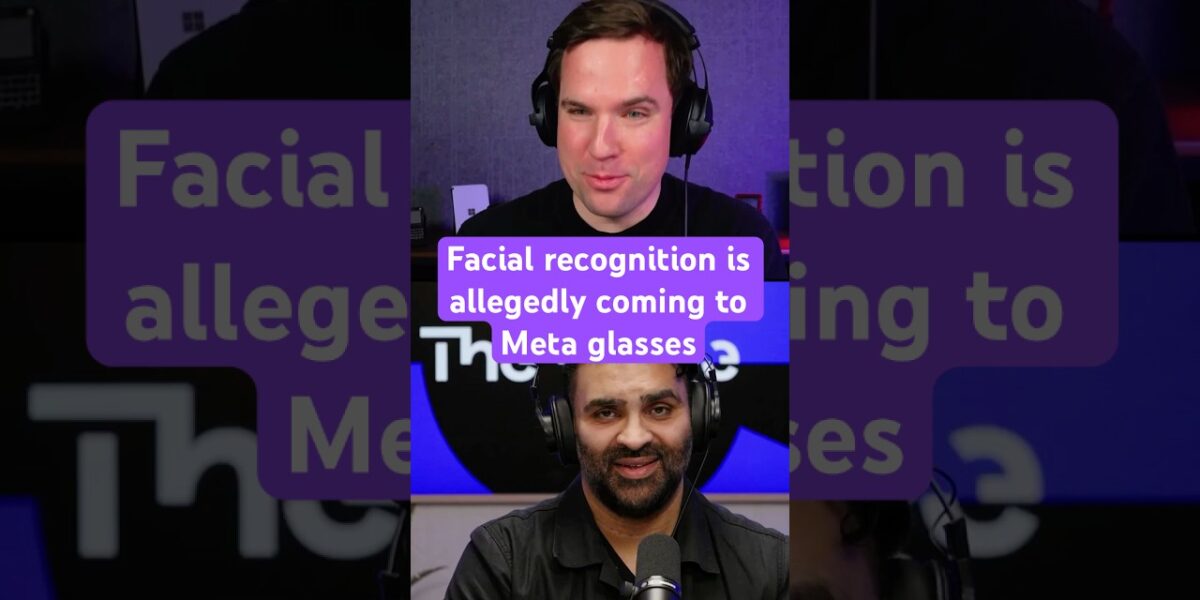
Meta’s Bold Move: Facial Recognition Set for Ray-Ban Smart Glasses
In a move that has sent ripples through the tech and civil liberties communities, Meta is reportedly planning to integrate facial recognition technology into its Ray-Ban Stories smart glasses. Leaked internal documents suggest a calculated and, frankly, cynical approach to launching this feature, with Meta executives allegedly anticipating a period of political distraction to minimize public outcry and regulatory scrutiny.
A Calculated Launch Strategy
A report originating from The New York Times has shed light on Meta’s internal discussions regarding the rollout of facial recognition capabilities for its smart glasses. An anonymous Meta executive is quoted in a memo, outlining a strategy to launch the technology during a “dynamic political environment” when “many civil society groups that we would expect to attack us would have their resources focused on other concerns.” This chillingly pragmatic approach implies a deliberate attempt to leverage global events and societal anxieties to push through a controversial feature with less resistance.
Universal Condemnation from Watchdogs
While Meta’s alleged strategy aims to sidestep criticism, civil society organizations, including the ACLU and the EFF, have universally condemned the prospect. These groups have made it unequivocally clear that they will not be deterred by Meta’s timing or political maneuvering. Their stance is firm: the development and deployment of such pervasive surveillance technology are inherently problematic and pose significant threats to privacy and civil liberties.
The Dangers of Deanonymization
The core concern raised by privacy advocates is the potential for widespread deanonymization. The ability of smart glasses to constantly scan and identify individuals could lead to a world where anonymity is a thing of the past. This technology, in the wrong hands—or even in the hands of well-intentioned entities under government pressure—could enable unprecedented levels of tracking and surveillance. The fear is that governments worldwide, sensing a relaxation of privacy guardrails, could demand access to Meta’s databases, effectively creating a global surveillance network.
Eroding Trust in Tech Platforms
The era when consumers might have trusted tech platforms to resist government data requests appears to be over. Meta’s alleged internal strategy highlights a stark reality: the company itself seems to acknowledge the potential for government overreach and the public’s diminished capacity to resist it. This acknowledgment, coupled with the cynical launch plan, further erodes the already fragile trust between tech giants and their users.
Who Should Care and Why?
This development should concern anyone who values their privacy and autonomy. For individuals who frequently interact in public spaces, the idea of being constantly identifiable and trackable by a private company, with the potential for government access to that data, is deeply unsettling. Activists, journalists, and anyone who relies on anonymity for their safety or work would be particularly vulnerable. Furthermore, the normalization of such technologies sets a dangerous precedent for future innovations.
The Ethical Tightrope
While Meta has not officially confirmed the integration of facial recognition, the leaked memo paints a concerning picture of the company’s strategic thinking. The ethical implications of deploying facial recognition technology are vast, touching upon issues of consent, data security, algorithmic bias, and the fundamental right to privacy. The debate is not just about whether Meta *can* build this technology, but whether it *should*, and under what conditions.
Looking Ahead
As Meta continues to push the boundaries of wearable technology, the scrutiny from regulators, civil society, and the public will undoubtedly intensify. The success of such a feature, if it materializes, will depend not only on its technical capabilities but also on Meta’s ability to navigate the complex ethical landscape and address the profound privacy concerns it raises. The alleged cynical launch strategy, however, suggests a company perhaps more focused on market entry than on the potential societal impact.
Specs & Key Features (Potential)
- Facial Recognition: Ability to identify individuals through camera feed.
- Data Collection: Potential for extensive collection of location and identity data.
- Integration: Seamless incorporation into Meta’s existing ecosystem.
- Privacy Concerns: Significant risks related to data security, government access, and deanonymization.
Availability and Pricing: Specific details regarding the availability and pricing of Meta Ray-Ban Stories glasses with potential facial recognition capabilities have not yet been officially announced.
Source: Facial recognition is allegedly coming to Meta glasses #Vergecast (YouTube)

Related Articles


Meta’s Metaverse Dream Fades as Users Dwindle
Meta's ambitious metaverse project, centered around Horizon Worlds, has struggled to gain traction, with user numbers reportedly as low as 900 daily. The venture has incurred massive financial losses, prompting a strategic shift towards AI development.


OpenAI’s Role in School Shooting: Privacy vs. Safety Debate
OpenAI's ChatGPT banned a user for discussing gun violence simulations months before a school shooting, but police were not notified. This incident has ignited a fierce debate on AI surveillance, privacy, and the responsibility of tech companies in preventing potential threats.


South Dakota Governor Kristi Noem Sued Over ICE Surveillance
Governor Kristi Noem and the Department of Homeland Security are being sued by citizens alleging the unlawful surveillance of protesters by ICE. The lawsuit details claims of facial scanning, vehicle tracking, and home visits, aiming to halt these alleged invasive practices.