Meta, YouTube Lose Landmark Cases Over Teen Harm
Meta and YouTube have been found liable in landmark cases alleging their platforms contribute to harm among teenage users. Juries saw through company denials after prosecutors presented damning internal documents showing awareness of negative impacts. This ruling could lead to significant changes in how social media companies are held accountable.


Social Media Giants Found Liable in Teen Harm Lawsuits
In a significant legal development, Meta (Instagram and Facebook) and YouTube have been found liable in landmark cases alleging their platforms contribute to harm among teenage users. The verdicts, which were widely anticipated by legal experts, highlight the growing scrutiny on social media companies regarding their impact on young people’s mental health.
Juries See Through Denials
During the trials, key figures like Meta CEO Mark Zuckerberg and YouTube CEO Neil Mohan were put on the stand. When asked if their products caused harm, they consistently answered no. However, prosecutors presented extensive internal documents. These documents revealed that the companies were well aware of the negative effects their platforms had on teen users. Evidence showed studies on teen usage patterns, internal comparisons of their products to addictive substances like cigarettes, and even internal communications that directly linked teenage engagement to platform growth.
For example, one internal email reportedly stated, “Growth: Teens.” This starkly contrasted with the public denials of harm, making it difficult for the companies to convince juries. The sheer volume of evidence demonstrating the companies’ knowledge of potential harm proved to be damning. It painted a picture of companies that understood the risks but continued to prioritize user growth, especially among vulnerable teenagers.
Evidence of Deliberate Design
A crucial aspect of the legal strategy against Meta and YouTube involved arguing that the platforms were deliberately designed in ways that foster addiction and negative psychological effects. Prosecutors highlighted how the companies studied teen usage and identified teenagers as a primary driver of growth. This created a difficult situation for the defense. Juries, composed of everyday people, were presented with evidence that suggested the platforms were not simply neutral tools but products with features that could actively harm young users.
The core of the argument was that these companies knew their platforms could be harmful, particularly to teens, yet continued to push features and growth strategies that exploited this user base. This deliberate design choice, coupled with internal knowledge of the negative consequences, led to the unfavorable verdicts.
Who Should Care?
These verdicts are a wake-up call for parents, educators, and policymakers. They underscore the need for greater accountability from social media companies. For parents concerned about their children’s online activity, this ruling validates many of their fears. It suggests that the platforms themselves bear responsibility for the environment they create. Educators may see this as an opportunity to push for more digital literacy programs in schools, teaching students how to navigate these platforms more safely.
Furthermore, this legal precedent could influence future legislation and regulations aimed at protecting young users online. It signals a potential shift in how tech companies are held responsible for the societal impact of their products. The long-term implications for the social media industry, particularly regarding design choices and user safety features for minors, are significant.
Looking Ahead
While Meta and YouTube are expected to appeal these decisions, the initial verdicts send a clear message. The era of social media companies operating with minimal accountability for the well-being of their youngest users may be drawing to a close. The focus now shifts to how these companies will adapt their platforms and business practices in light of these legal challenges. The legal battles are far from over, but the findings so far represent a major victory for those advocating for safer digital spaces for teenagers.
Specs & Key Features (General Product Information)
- Instagram: Photo and video sharing social networking service. Features include feeds, stories, reels, direct messaging, and shopping.
- YouTube: Online video-sharing platform. Features include video uploads, live streaming, subscriptions, comments, and monetization options.
Source: Instagram and YouTube were doomed to lose #vergecast (YouTube)

Related Articles


New Food Channel Seeks 1,000 Subs, 4,000 Watch Hours
Content creators Joe and Naz have launched a new YouTube channel focused on food exploration. "Joe and Naz" aims to reach 1,000 subscribers and 4,000 watch hours to grow its audience. The duo plans to feature restaurant reviews, travel, and audience-suggested content.

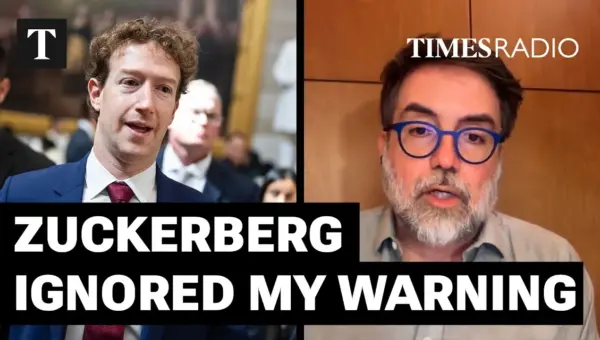
Meta Whistleblower: Zuckerberg Ignored Child Safety Warnings
A former Instagram executive revealed that Meta knew about the harm its platforms caused to children but failed to act. Art Behar testified that Mark Zuckerberg ignored his direct warnings, highlighting the addictive design and ineffective safety tools on Instagram. The recent Los Angeles ruling against Meta has opened the door for greater scrutiny of big tech's practices.

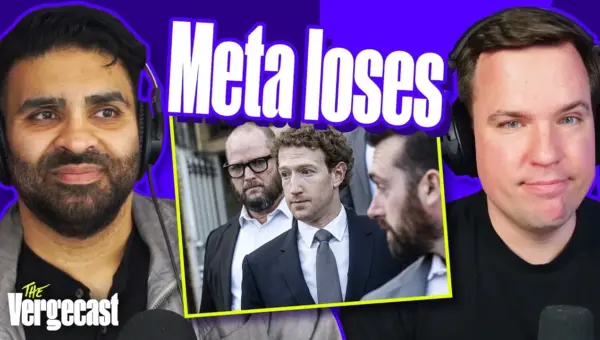
Meta Faces Legal Reckoning: Social Media’s Future in Question
Meta and YouTube have faced significant legal setbacks this week with court rulings finding them liable for social media's harm to young users. These "bellwether" cases could fundamentally alter how tech platforms are regulated and designed going forward, signaling a new era of accountability for the social media industry.