Meta, YouTube Found Liable in Landmark Addiction Case
Meta and YouTube have been found liable in a landmark Los Angeles trial for intentionally designing addictive platforms that harmed a young woman. This ruling sets a precedent, potentially leading to a wave of lawsuits against social media giants and drawing comparisons to the tobacco industry's past legal battles.


Tech Giants Face Legal Reckoning Over Addictive Platforms
In a significant legal development, Meta and YouTube have been found liable in a Los Angeles court for the harm caused to a young woman who became addicted to their platforms. The claimant argued that the social media companies intentionally designed their services to be addictive, drawing parallels to the dangers of cigarettes. This ruling is seen by many as a pivotal moment, potentially opening the door to a wave of similar lawsuits from young people affected by social media addiction.
A ‘Bellwether Trial’ Sets a Precedent
Dr. Karen Middleton, a senior lecturer in marketing at the University of Portsmouth and an expert witness on social media, described the verdict as a “bellwether trial.” This means it sets a crucial precedent for future legal cases. “The watershed moment is really here now with the concerns that the public are having over social media with children,” Dr. Middleton stated, referencing growing calls for social media bans.
She highlighted that the core issue lies within the advertising business model that fuels these platforms. “Digital advertising is constantly seeking engagement and attention,” she explained. “The problem is that the content that is the most outraging or emotional tends to get more clicks, keeping viewers online. This is what the advertising business model focuses on.” This constant drive for engagement, she noted, leads to addictive scrolling behaviors.
The ‘Attention Economy’ and Its Harms
The concept of the “attention economy” is central to understanding the problem. Social media platforms are designed to capture and hold user attention, often by promoting sensational or emotionally charged content. This can exacerbate issues like body image problems and expose users, particularly younger ones, to harmful content.
Dr. Middleton pointed out that the removal of natural stopping points, like the end of a feed, encourages continuous scrolling. She believes this case is a vital step for legal action, especially as parents express deep concern for their children’s well-being. The ruling could pave the way for significant litigation regarding social media addiction and other online harms, aligning with stricter regulations like the UK’s Online Safety Act.
Algorithms, Polarization, and the Business Model
During her involvement in a UK government inquiry, Dr. Middleton observed that social media companies focused heavily on algorithms. These same algorithms, she warned, can threaten social cohesion by promoting polarizing narratives and hate speech. “We see with hate crimes and hate speech and violence… this is as a result of the constant search for engagement online,” she said.
She reminded listeners that the internet’s funding model has always been advertising-based, a fact that has sometimes been overlooked. This model is directly linked to surveillance advertising, where user data is collected and used for targeted ads. The companies, including Meta and Google, have announced their intention to appeal the decision.
A ‘Big Tobacco’ Moment for Social Media?
Chris Stoker Walker, a tech journalist, described the ruling as “massive,” despite the relatively small fines of $6 million for Meta and Alphabet (Google’s parent company). He noted that this amount is a tiny fraction of their annual revenue. The true significance lies in the legal precedent set, potentially treating social media platforms like defective products rather than shielded platforms.
“If it holds, and it’s unlikely maybe to hold because both of those companies are likely to appeal… then it becomes a massive moment,” Stoker Walker explained. He elaborated that if this verdict leads to thousands of class-action lawsuits, the financial implications could become substantial.
Challenging the Design and Business Model
The core of the lawsuit argues that the apps’ designs are inherently addictive and can worsen mental health issues. A jury in California agreed with this premise, with 10 out of 12 jurors finding in favor of the claimant. This verdict could influence the design of future apps and platforms.
Several other trials are already scheduled, with more cases waiting in the queue. The pressure on these companies is mounting from multiple fronts, including regulatory actions in the UK and the European Union. The US approach, relying on court rulings, appears to be gaining traction.
A Potential Turning Point for Digital Regulation
When asked about the parallels with the tobacco industry’s legal battles in the 70s and 80s, Stoker Walker agreed that significant pressure is being applied to big tech companies. He sees this moment as a potential shift in the power balance that has favored tech giants for the past two decades.
While acknowledging a tendency towards pessimism about technology’s relentless advance, Stoker Walker suggested that 2026 could be viewed as an inflection point. “I think that we will be looking back on 2026 and thinking social media took a very different course and actually changed what it meant and changed how it looked to all of us,” he concluded. This legal challenge might force social media companies to fundamentally alter their practices and designs to mitigate harm.
Source: Tech Giants' Loss In LA Court Could Spur Further Trials (YouTube)

Related Articles


New Food Channel Seeks 1,000 Subs, 4,000 Watch Hours
Content creators Joe and Naz have launched a new YouTube channel focused on food exploration. "Joe and Naz" aims to reach 1,000 subscribers and 4,000 watch hours to grow its audience. The duo plans to feature restaurant reviews, travel, and audience-suggested content.


Meta, YouTube Lose Landmark Cases Over Teen Harm
Meta and YouTube have been found liable in landmark cases alleging their platforms contribute to harm among teenage users. Juries saw through company denials after prosecutors presented damning internal documents showing awareness of negative impacts. This ruling could lead to significant changes in how social media companies are held accountable.

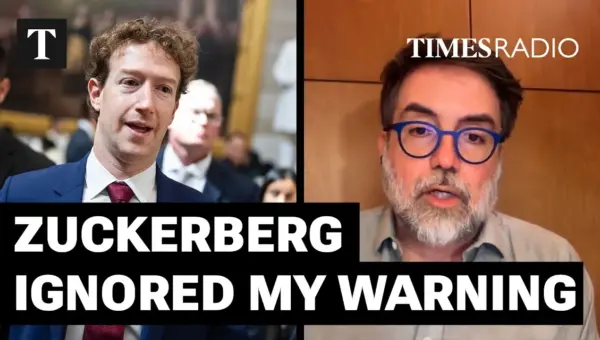
Meta Whistleblower: Zuckerberg Ignored Child Safety Warnings
A former Instagram executive revealed that Meta knew about the harm its platforms caused to children but failed to act. Art Behar testified that Mark Zuckerberg ignored his direct warnings, highlighting the addictive design and ineffective safety tools on Instagram. The recent Los Angeles ruling against Meta has opened the door for greater scrutiny of big tech's practices.