Meta, Google Hit With $6M Verdict in Social Media Addiction Trial
A California jury has ordered Meta and Google to pay $6 million in damages, finding their platforms liable for contributing to a young woman's social media addiction. The verdict, which includes compensatory and punitive damages, could set a precedent for future lawsuits.


Meta, Google Ordered to Pay $6 Million in Social Media Addiction Lawsuit
In a landmark decision, a California jury has found Meta and Google liable for contributing to the depression and anxiety of a young woman who developed a compulsive social media habit as a child. The verdict, reached after 40 hours of deliberation, orders the tech giants to pay $3 million in compensatory damages and another $3 million in punitive damages. This ruling marks a significant moment in the ongoing debate about the impact of social media on mental health.
A Quiet Courtroom, A Loud Reaction Outside
The courtroom itself remained subdued as the verdict was read, with the judge having instructed all parties to refrain from any outward reactions. Extra security, including officers from the Department of Homeland Security, was present to ensure order. However, outside the courthouse, the parents of the plaintiff expressed jubilation. They had shown immense dedication throughout the trial, with some even waiting overnight for public seating in the early stages. The outcome was seen as a powerful message, hoped to fuel efforts for legislative change in Washington D.C.
“There was so much invested interest and really hope in this trial that this would send some kind of message.”
Breaking the Dam: Legal Experts Weigh In
Legal analyst Megan Kunna described the verdict as potentially “breaking the dam” for similar lawsuits, though she cautioned that the fight is far from over. The plaintiff’s attorney, Mark Lanier, had previously stated that legal teams often expect to lose the first few “bellwether” trials, which serve as test cases. Winning on the first attempt, especially concerning the design and addictive nature of the platforms rather than specific content, is considered a significant achievement. This contrasts with a previous case in New Mexico that focused on sexual exploitation.
Despite the win, the jury’s deliberations were not entirely unanimous. Two jurors reportedly disagreed with the verdict, and another juror expressed strong objections to the damages amount. However, California law only requires a nine-person majority for a verdict, which the plaintiffs secured. Defense attorneys are expected to use these disagreements to build a case for a motion for a new trial and potential appeals.
The $6 Million Question: A Drop in the Bucket?
The total $6 million award has drawn attention, with many noting it’s a small sum for companies like Meta and Google. Jurors reportedly calculated the compensatory damages by estimating the plaintiff’s potential lifetime earnings, factoring in a 40-year lifespan and an average annual income. Legal analysts suggest that while the amount may seem small to the tech companies, it was a significant sum for the jury to award, reflecting a potential disconnect between the wealth of tech executives and the lives of ordinary people who served on the jury.
One juror specifically mentioned dissatisfaction with Mark Zuckerberg’s testimony, feeling he had changed his story. This perceived lack of authenticity, combined with the jurors’ own life experiences, may have influenced their decision. The foreman, who was roughly the same age as Zuckerberg, reportedly paused when asked about the Meta CEO’s testimony, suggesting a possible perception of detachment from everyday reality among tech leaders.
Addictive Design Features Under Scrutiny
While jurors remained largely vague about specific factors that swayed their decision, they emphasized focusing on the evidence presented. Key elements of the trial included discussions of addictive design features such as infinite scroll, constant notifications, autoplay videos, and beauty filters. These features are central to the argument that social media platforms are intentionally designed to be habit-forming.
Looking Ahead: Appeals, Settlements, and Legislation
Meta has stated it respectfully disagrees with the verdict and plans to appeal, asserting that teen mental health is complex and cannot be solely attributed to one app. The company remains confident in its efforts to protect young users online.
The outcome of this trial could influence future settlements. While Snapchat and TikTok settled previous lawsuits without public disclosure of terms, Meta and Google’s decision to go to trial in this high-profile case may shape their strategies moving forward. The plaintiff’s attorney suggested that it often takes multiple trials to establish a legal precedent, implying that more “bellwether” cases are likely.
Beyond the courtroom, there is significant hope that this verdict will provide momentum for legislative action. Parents and advocates plan to take the findings to Washington D.C. to push for stronger regulations. International interest, particularly from countries like Australia with stricter social media laws for teenagers, also highlights a growing global concern and a potential for broader influence.
What’s Next?
The legal battle for Meta and Google is far from over, with appeals expected. Attention will now turn to upcoming trials in similar cases, which will further test the legal arguments surrounding social media addiction. The ongoing efforts to translate this legal victory into tangible legislative changes in the U.S. and abroad will also be crucial to watch.
Source: Landmark lawsuit: Meta & YouTube ordered to pay $6M in social media addiction trial (YouTube)

Related Articles


Immigration Debate Ignites Over Campus Killing
The detention hearing for Jose Medina, accused of murdering Loyola student Sheridan Gorman, has ignited a debate over immigration and mental capacity. Medina, an undocumented immigrant, will remain in custody. His defense cited head trauma and developmental delays, requesting jail time to prevent deportation and ensure due process.

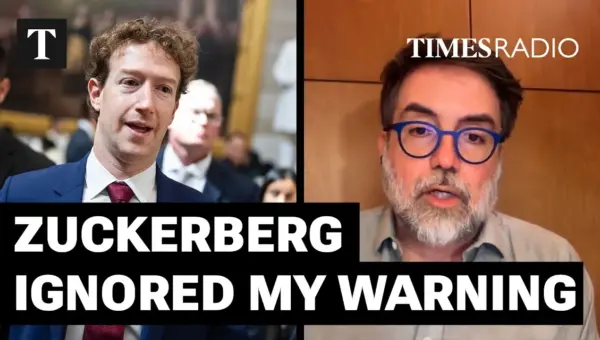
Meta Whistleblower: Zuckerberg Ignored Child Safety Warnings
A former Instagram executive revealed that Meta knew about the harm its platforms caused to children but failed to act. Art Behar testified that Mark Zuckerberg ignored his direct warnings, highlighting the addictive design and ineffective safety tools on Instagram. The recent Los Angeles ruling against Meta has opened the door for greater scrutiny of big tech's practices.


Indonesia Mental Health Centers Accused of Abuse, Survivors Speak Out
Survivors of Indonesian mental health facilities are speaking out about horrific abuse, including torture, sexual assault, and neglect. Organizations investigating the claims have documented over 200 cases, highlighting a widespread problem in institutions meant for care. The accounts reveal a critical failure to protect the rights and dignity of vulnerable patients.