Meta Fined $375M in Landmark Child Safety Verdict
A New Mexico jury has ordered Meta, the parent company of Facebook and Instagram, to pay $375 million for knowingly harming children's mental health and concealing information about child exploitation. The company plans to appeal the historic verdict, which found Meta engaged in unfair and deceptive trade practices.


Meta Ordered to Pay $375 Million in New Mexico Child Safety Trial
SANTA FE, NM – A jury in New Mexico has found Meta, the parent company of Facebook and Instagram, knowingly harmed children’s mental health and hid information about child sexual exploitation on its platforms. The historic verdict, reached after a seven-week trial, orders Meta to pay $375 million in civil penalties.
Jury Finds Meta Violated Consumer Protection Laws
The New Mexico Attorney General’s office sued Meta, alleging the company engaged in unfair and deceptive trade practices. Investigators from the AG’s office posed as minors on Facebook and Instagram. They reported being targeted with sexually explicit images and contacted by child predators. The lawsuit argued that Meta’s algorithms and business practices created a dangerous environment for children.
The jury found Meta violated the state’s Unfair Practices Act through both unfair/deceptive and unconscionable trade practices. The jurors determined these violations were willful. They assessed a penalty of $5,000 for each of the 37,500 willful violations identified, totaling $375 million.
“Did Meta violate the Unfair Practices Act by engaging in an unfair or deceptive trade practice? The jury answers yes… Did Meta act willfully by engaging in an unfair or deceptive trade practice? The answer is yes.”
Judge reading the verdict in New Mexico courtroom
Meta Plans to Appeal, Cites Federal Law
Following the verdict, Meta released a statement expressing its disagreement and intent to appeal. The company asserted that it works diligently to ensure user safety and is transparent about the difficulties in identifying and removing harmful content and actors. Meta stated it remains confident in its efforts to protect teenagers online.
Legal experts anticipate a swift appeal. A significant part of Meta’s defense is expected to center on Section 230 of the Communications Decency Act. This federal law generally shields tech companies from liability for content posted by their users. However, New Mexico’s Attorney General argued that the lawsuit targets Meta’s underlying technology and algorithms, not just user-generated content, likening the case to those against the tobacco and opioid industries.
Broader Implications and Future Legal Battles
This New Mexico verdict is considered a landmark decision that could significantly impact social media platforms. Legal analyst Nemo Rahmani noted that while New Mexico is not the most populous state, Meta faces similar lawsuits in other jurisdictions, including California, where a separate trial is underway.
The California case, however, is an individual lawsuit filed by a woman claiming harm from social media addiction, leading to mental health issues. This differs from the New Mexico case, which was brought by the state’s Attorney General. Meta and YouTube are defendants in the California trial, which has seen a jury deliberate for over ten days.
Potential for Policy Changes
Beyond monetary damages, the New Mexico Attorney General is seeking an injunction to force Meta to change its algorithms and business practices related to minors. This aspect will be decided in a separate trial before a judge. The precedent set by this verdict could lead to increased government scrutiny and potential policy changes at both state and federal levels. Some predict restrictions on social media use for minors, similar to regulations seen with tobacco and certain drugs.
Rahmani suggested that if companies like Meta cannot adequately protect children from predators and harmful content, state legislators and the federal government may step in. This could involve age restrictions, such as requiring users to be 16 or 18 to use platforms like Meta, Snapchat, or TikTok.
What’s Next
The legal battles for Meta are far from over, with an expected appeal in the New Mexico case and ongoing deliberations in the California trial. The outcomes of these cases could reshape how social media companies operate and are regulated, potentially leading to significant changes in how children and teenagers interact with online platforms.
Source: Meta ordered to pay $375M after ‘historic’ New Mexico child safety trial (YouTube)

Related Articles

Social Media Giants Face Lawsuits Over Addictive Designs
Tech giants Meta and Google are facing significant legal challenges as juries find them liable for the addictive design of their platforms and the harm caused to young users. Recent verdicts in California and New Mexico have ordered the companies to pay millions in damages, highlighting concerns over mental health impacts and child exploitation.

Meta, YouTube Lose Landmark Cases Over Teen Harm
Meta and YouTube have been found liable in landmark cases alleging their platforms contribute to harm among teenage users. Juries saw through company denials after prosecutors presented damning internal documents showing awareness of negative impacts. This ruling could lead to significant changes in how social media companies are held accountable.

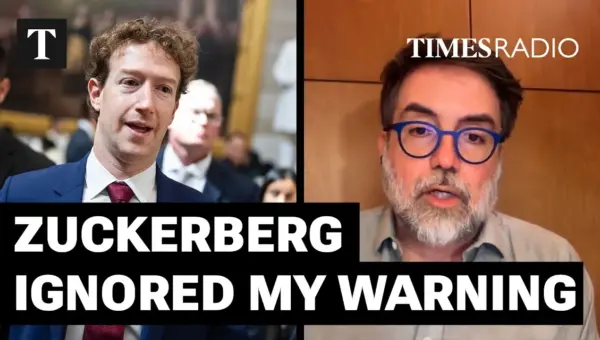
Meta Whistleblower: Zuckerberg Ignored Child Safety Warnings
A former Instagram executive revealed that Meta knew about the harm its platforms caused to children but failed to act. Art Behar testified that Mark Zuckerberg ignored his direct warnings, highlighting the addictive design and ineffective safety tools on Instagram. The recent Los Angeles ruling against Meta has opened the door for greater scrutiny of big tech's practices.