Meta Fine Sparks Lawsuit Wave: A New Era for Online Safety?
A $375 million verdict against Meta is signaling a potential shift in how social media companies are held accountable for child safety. The focus is moving from content to platform design, opening the door for more lawsuits. Experts stress the importance of parental involvement and education alongside legal action.


Meta Fine Sparks Lawsuit Wave: A New Era for Online Safety?
A recent $375 million verdict against Meta in New Mexico is sending ripples through the tech world. The case, stemming from an undercover operation, found that adults could send inappropriate sexual material to agents posing as underage users. This ruling highlights a long-standing concern: are children truly safe online? Professor Andrew Celipac from the University of Florida explains this isn’t a new problem. The conversation about online child safety goes back to the 90s, with early chat rooms posing similar risks.
The Verdict and Its Financial Bite
The jury’s decision ordered Meta to pay a significant sum for failing to protect children. However, Professor Celipac notes that for a company like Meta, with profits in the billions and a valuation over a trillion dollars, $375 million is relatively small. It’s unlikely to cripple the company financially. But this verdict is more than just a monetary penalty; it’s a symbolic victory.
A Crack in the Dam?
This New Mexico case is being viewed as the first significant legal action of its kind in the United States. Experts believe it could open the floodgates for more lawsuits against social media giants. Attorney generals in other states are likely to follow New Mexico’s lead, seeking similar settlements. We might see a wave of individual lawsuits, potentially leading to a series of financial settlements, much like the impact big tobacco faced decades ago.
Focus Shifts: Design Over Content
A key aspect of these cases, including one involving YouTube and allegations of severe harm to a minor’s mental health, is the legal strategy. Instead of focusing on the content itself, which is often protected by Section 230 of the Communications Decency Act, lawsuits are now targeting the *design* of the platforms. This means legal teams are arguing that the way these platforms are built allows or even encourages harmful interactions. This approach is not protected by Section 230, making it a more effective way to bring cases against tech companies.
The focus is shifting from the content itself to the platform’s design, arguing that the design has allowed children to be unsafe.
Tech Companies’ Response
Social media companies like Meta, YouTube, TikTok, and Snap are aware of this evolving legal strategy. They are likely to point to changes they’ve already made to improve child safety. You might have seen advertisements or messages from these platforms highlighting their efforts to make their services safer for young users. They will probably argue that they are actively working to address these issues, especially now that the legal focus is on platform design.
Beyond Lawsuits: Protecting Young Users
While legal actions are important, they are not the only solution. Professor Celipac stresses the crucial role of parents and education. Parents need to understand the platforms their children use, the potential risks involved, and stay informed about their kids’ online activities. This need for awareness dates back to the early days of the internet, with parents needing to understand how their children could be contacted by anyone.
The Role of Education and Prevention
Formal education is also vital. Schools should incorporate lessons and discussions about online safety into their curriculum from kindergarten through 12th grade. Children need to be taught how to navigate the digital world safely. Social media platforms also need to take the dangers children face more seriously. This could involve creating separate platforms for younger users or implementing more robust age verification methods, though reliable age verification remains a complex challenge.
A Shared Responsibility
Ultimately, ensuring the safety of young people online is a shared responsibility. It requires informed parents, educated children, and proactive measures from social media companies. While no system can be 100% foolproof, a combination of these efforts can significantly reduce risks. The New Mexico verdict is a wake-up call, signaling a potential shift in how social media platforms are held accountable for the safety of their youngest users.
Why This Matters
This verdict is more than just a financial penalty for Meta; it represents a potential turning point in holding social media companies accountable for child safety. By focusing on platform design rather than content, legal challenges are becoming more effective. This could lead to significant changes in how platforms are built and operated, with broader implications for the entire social media industry. The emphasis on parental involvement and education also highlights that technology alone cannot solve these complex social issues; human oversight and awareness are critical components of online safety.
Future Outlook
The legal landscape for social media companies is likely to become more challenging. We can expect more states to pursue similar lawsuits, potentially leading to increased settlements and stricter regulations. Companies will need to demonstrate genuine commitment to child safety, not just through marketing but through fundamental changes in their platform design and policies. This could spur innovation in child safety technologies and practices, but also raises questions about the balance between user privacy and security, especially concerning age verification methods.
Source: Meta Verdict Likely to Set Off Domino Effect: Social Media Professor (YouTube)

Related Articles

Social Media Giants Face Lawsuits Over Addictive Designs
Tech giants Meta and Google are facing significant legal challenges as juries find them liable for the addictive design of their platforms and the harm caused to young users. Recent verdicts in California and New Mexico have ordered the companies to pay millions in damages, highlighting concerns over mental health impacts and child exploitation.


Meta, YouTube Lose Landmark Cases Over Teen Harm
Meta and YouTube have been found liable in landmark cases alleging their platforms contribute to harm among teenage users. Juries saw through company denials after prosecutors presented damning internal documents showing awareness of negative impacts. This ruling could lead to significant changes in how social media companies are held accountable.

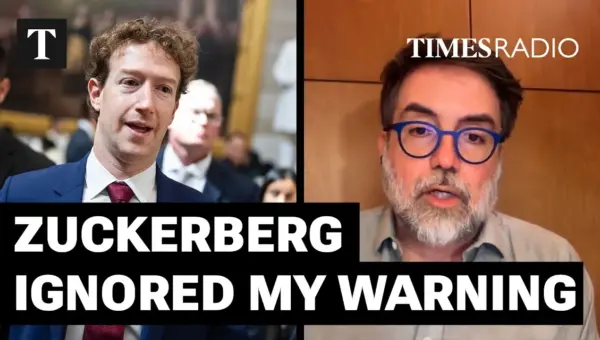
Meta Whistleblower: Zuckerberg Ignored Child Safety Warnings
A former Instagram executive revealed that Meta knew about the harm its platforms caused to children but failed to act. Art Behar testified that Mark Zuckerberg ignored his direct warnings, highlighting the addictive design and ineffective safety tools on Instagram. The recent Los Angeles ruling against Meta has opened the door for greater scrutiny of big tech's practices.