Met Police Justify Al-Quds March Ban Amid Iran Conflict Fears
Metropolitan Police Commissioner Sir Mark Rowley has defended the decision to ban the annual Al-Quds march in London, citing the "uniquely complex situation" arising from the ongoing war in Iran. Former chief constable Olivia Pinkney supported the ban, emphasizing the high bar for such prohibitions and the specific context of global events.

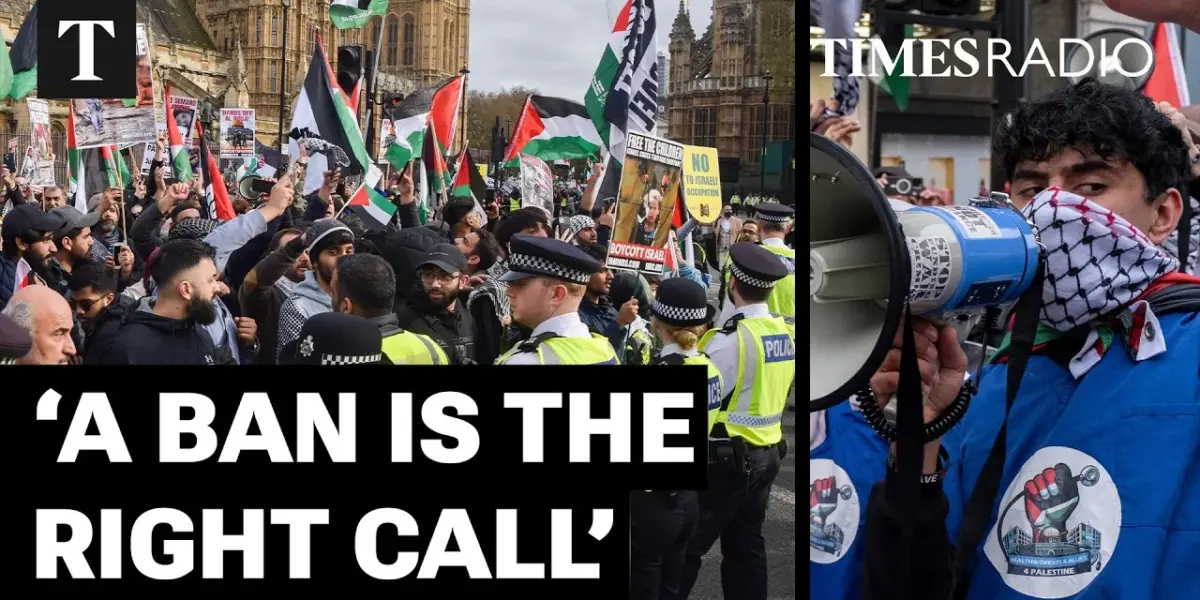
London Police Chief Backs Al-Quds March Ban Amid Heightened Tensions
Metropolitan Police Commissioner Sir Mark Rowley has defended the decision to ban the annual Al-Quds march in London, citing the “uniquely complex situation” arising from the ongoing war in Iran. The ban, which targets a march that has historically garnered support for the Iranian regime and its proxy groups like Hezbollah, was deemed necessary to prevent serious public disorder. Olivia Pinkney, former chief constable and member of the London Policing Board, has publicly supported the decision, emphasizing the high bar required for such a prohibition and the specific context of global events.
High Bar for March Bans, Met Cites ‘Volatile’ Climate
The decision to ban the Al-Quds march, a rare move not seen in 14 years, was made in consultation with the Home Secretary. Sir Mark Rowley, writing in The Times, stated that the risk of serious public disorder, exacerbated by the current geopolitical climate, justified the prohibition. Pinkney echoed these sentiments, explaining that banning a march is a significant step, reserved for situations where preventing serious violence and disorder is a primary concern. “It is about what is believed to be about to happen, and the Met have to make a call,” Pinkney stated, underscoring the challenging judgment required by police in rapidly evolving circumstances.
The Metropolitan Police’s decision contrasts with the policing of other demonstrations, including those by far-right groups, which have been permitted to proceed. Critics have questioned why the Al-Quds march, a long-standing event of over 40 years, was deemed unmanageable this year. Pinkney clarified that each decision is context-dependent. “This is about this weekend in this context with this level of information,” she noted, distinguishing the current situation from previous years and asserting that the ban does not set a precedent for future events.
No Intelligence Seen by Oversight Board, But Context is Key
While the London Policing Board, an oversight group for policing in the capital, does not have access to operational intelligence, Pinkney affirmed that the decision was not based on subjective feelings. “There’s a very high legal test,” she explained, adding that the police would have considered public domain information and intelligence regarding potential threats. “The fear that is very real amongst an awful lot of Londoners, of all sorts of backgrounds and beliefs,” she noted, alongside the regime’s past targeting of individuals within the UK, contributed to the assessment of potential volatility.
Counter-Protests and Intent: Distinguishing Factors
A common critique of such bans is that they signal that any march can be shut down by the threat of counter-protests and potential violence. Pinkney dismissed this argument, stating that counter-protests are a normal aspect of policing and that the Met are adept at managing them. “What’s different on this one is the scale and the intent behind the intent of violence and disorder,” she asserted. This, she believes, is the sole factor that sets the Al-Quds march apart from other demonstrations.
“The Met don’t police taste. They don’t police decency. They don’t prefer one view over another.”
Pinkney stressed that the police must operate within the existing reality, not an idealized one. The Met’s record over recent years, she argued, demonstrates their impartiality in policing protests. While acknowledging strong views on all sides of contentious issues, she maintained that the police’s role is to manage the world as it is, making timely decisions based on immediate threats and circumstances. The current situation, she concluded, is distinct from past and future protests.
Static Gathering to Replace March
The ban specifically prohibits the march through London. However, authorities have indicated that a static gathering may still take place. The police stated that a static event is significantly easier to contain and manage compared to a moving procession. This distinction highlights the Met’s focus on mitigating risks associated with public movement and potential flashpoints during large-scale events.
Looking Ahead: Vigilance and Public Safety
As London navigates this sensitive period, the focus remains on maintaining public safety and preventing disorder. The Met’s decision underscores the complex challenges of policing in an era of heightened international conflict and domestic tensions. Future events will likely be scrutinized to see if the specific circumstances that led to this ban are replicated, and how the police continue to balance the right to protest with the imperative of public security.
Source: Met’s Al-Quds March Ban ‘The Right Decision’ Amid ‘Volatile’ Iran Situation (YouTube)

Related Articles


Tiger Woods Arrested for DUI After Crash
Golf legend Tiger Woods was arrested for DUI in Florida following a dramatic rollover crash. Meanwhile, a government shutdown continues as House Republicans block a Senate deal, leading to airport chaos and TSA worker pay issues. The stock market also plummeted into correction territory amid fears of a prolonged Iran conflict.


Trump’s Iran War Plans Criticized Amid Border Funding Standoff
Lawmakers and analysts are criticizing the Trump administration's handling of the Iran conflict and its approach to border funding, arguing that a lack of clear planning and a focus on political battles are making the U.S. less safe. Concerns are particularly high regarding the FBI's priorities and the potential impact of these issues on national security.
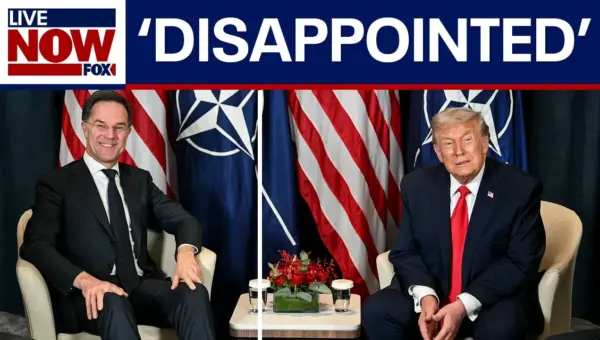
Trump Critical of NATO as Iran Conflict Escalates
President Trump voiced frustration with NATO's lack of involvement in the Iran conflict while the U.S. military prepares for a sustained campaign. Reports indicate significant damage to Iran's military, but tensions remain high with ongoing missile strikes and a recent attack on a Saudi air base wounding U.S. personnel.