Merz Gains Trump’s Favor as Iran Conflict Strains European Alliances
German Chancellor Friedrich Merz secured a favorable reception from U.S. President Donald Trump, contrasting with Trump's criticism of other European leaders over Iran. The meeting highlighted transatlantic strains, U.S. demands, and Europe's push for strategic independence amidst ongoing conflicts and trade disputes.

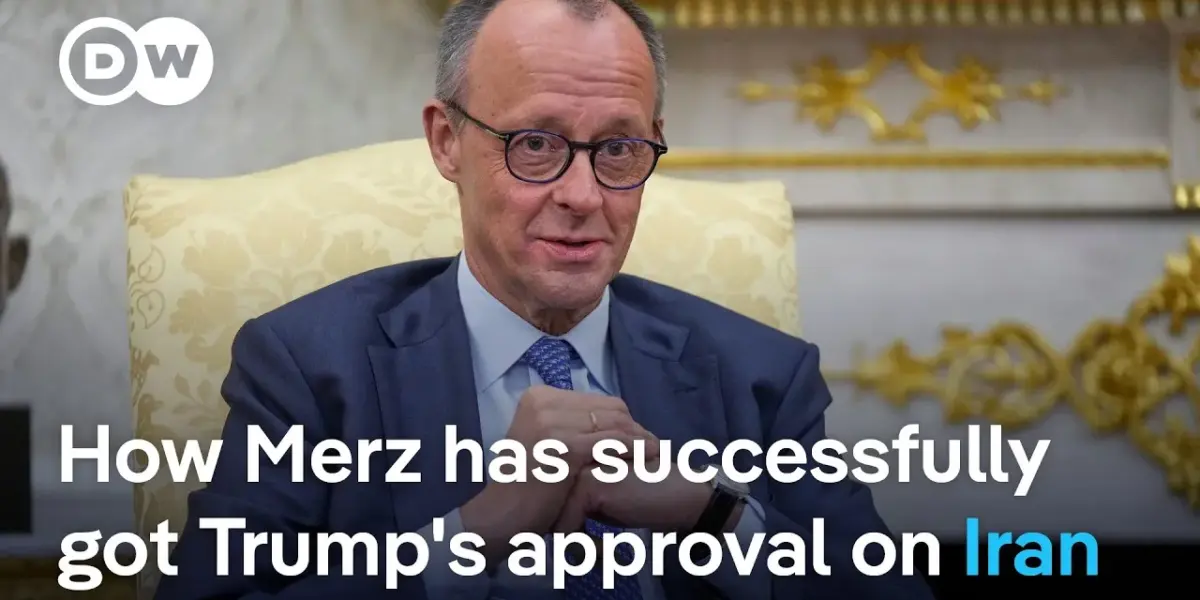
Germany’s Chancellor Merz Navigates Trump’s Approval Amidst Iran Tensions
Berlin – German Chancellor Friedrich Merz emerged from a meeting with U.S. President Donald Trump in the Oval Office with a notably positive reception, a stark contrast to the sharp criticisms Trump leveled against other European leaders concerning their stances on Iran. The diplomatic exchange highlights a growing divergence between Washington and its traditional European allies, particularly as the U.S. escalates its posture towards Iran.
Trump’s Trade Threats and European Allies
President Trump’s meeting with Chancellor Merz occurred against a backdrop of significant friction with key European nations. Trump revealed that he had instructed his Treasury Secretary to sever all trade ties with Spain after Spanish Prime Minister Pedro Sanchez denied the U.S. permission to utilize a Spanish air base for operations against Iran. This punitive threat underscores Trump’s transactional approach to foreign policy, where cooperation is directly linked to compliance with U.S. objectives.
Further complicating transatlantic relations, Trump expressed his displeasure with the United Kingdom. This discontent stemmed from an initial refusal by British Prime Minister Saki Starama to allow the use of the British air base at Diego Garcia for attacks on Iran. While Starama later conceded to allowing the base for ‘defensive purposes,’ the underlying hesitation and the British government’s stated principles reveal a cautious approach.
“This government does not believe in regime change from the skies. The lessons of history have taught us… that it is important when we make decisions like this that we establish there is a lawful basis for what the United Kingdom is doing. That is one of the lessons from Iraq and that there’s a viable thought through plan with an objective that can be achieved or has a viable prospect of being achieved.”
Germany’s “Equivocal” Support and U.S. Expectations
Jeff Ratka, President of the German-American Institute and former U.S. diplomat, offered insight into why Germany received a more favorable assessment from President Trump. “I think the president was mostly drawing a contrast to the countries he was looking to berate during this Oval Office interlude,” Ratka explained. “It’s true that Germany has not stood in the way in the way that Spain has, for example. But it’s also pretty clear that the United States is not looking for major material contributions from its European allies in this war against Iran.”
This observation suggests that while Germany’s position might be perceived as less obstructive than Spain’s, the U.S. is not actively seeking substantial military or financial commitments from its European partners in the current Iran conflict. The U.S. appears to prefer operating with a degree of autonomy, unburdened by the strategic considerations or potential constraints of a broad coalition.
The “Day After” Dilemma and Strategic Independence
A significant point of discussion during Chancellor Merz’s visit was Germany’s concern about post-conflict planning, often referred to as the “day after” scenario. Merz repeatedly emphasized the need to address what comes after potential military actions against Iran. However, President Trump acknowledged a lack of concrete plans, even admitting that potential successor figures within Iran have largely been eliminated.
This uncertainty about future strategy poses a challenge for European allies like Germany, who typically seek to be involved in stabilizing post-conflict situations. Ratka noted, “I think one of the most striking things about the question and answer period in the Oval Office today was Trump acknowledging that the United States really doesn’t have much of a plan for what comes next.”
The situation also fuels the debate within Europe about the necessity of greater strategic independence from Washington. Tyson Barker, a non-resident senior fellow at the Atlantic Council, commented on the implications for European defense capabilities:
“The United States is expending a large amount of its munitions in carrying out the strikes and in also in intercepting and you know the air defense and missile defense mission. So, you know, the European allies have been dependent on the ability to purchase supplies from the United States in order to donate them to Ukraine. One can only ask questions at this point. We don’t have definite figures, but the ability of the United States to continue providing those kinds of munitions to Ukraine via European buyers will rise the longer the American war in Iran continues. And so that presents in very stark relief the problem that Europeans have of their weapons dependency on the United States and the need to ramp up their own industrial capacity in order to be able to dedicate it to priorities that European leaders set for themselves.”
This dependency on U.S. munitions, particularly in the context of ongoing support for Ukraine, highlights Europe’s vulnerability and strengthens the argument for increased self-reliance in defense production and strategic decision-making.
Trade Tensions and the Ukraine Conflict
Beyond the Iran crisis, Chancellor Merz’s agenda included addressing trade disputes and tariffs. The U.S. Supreme Court’s decision to strike down some of Trump’s tariffs created a complex landscape. While Trump has signaled his intent to re-impose tariffs using different executive authorities, the uncertainty surrounding the U.S.-EU trade relationship remains a significant concern for Germany, a major trading partner of the U.S.
Furthermore, the escalating conflict in Iran raises concerns about the U.S. capacity to simultaneously support Ukraine. President Trump has previously suggested that if the U.S. is “stretched thin,” Ukraine might not remain a priority. This rhetoric, coupled with the demand for munitions in the Middle East, could potentially compromise the logistical ability to assist Ukraine, a concern that Ukraine skeptics within the administration might exploit.
Domestic Political Undercurrents
The meeting also took place against a backdrop of rising far-right political movements in Europe, including Germany’s AfD party, which has courted support from MAGA circles in the U.S. While Chancellor Merz and President Trump may have had a cordial meeting, the broader implications of Trump’s ‘America First’ agenda and his alignment with populist movements globally present a complex challenge for established conservative parties in Europe.
Looking Ahead
The diplomatic maneuvering between Germany and the United States, particularly concerning the escalating tensions with Iran, reveals a transatlantic relationship under strain. While Chancellor Merz secured a measure of approval from President Trump, the underlying issues of strategic autonomy, trade stability, and the long-term implications of U.S. foreign policy actions remain significant points of contention. The coming months will be critical in observing whether Europe can effectively bolster its own strategic capabilities and navigate the complex geopolitical landscape shaped by U.S. policy shifts.
Source: Iran: Germany's Merz avoids Trump's approbium unlike UK, Spain | DW News (YouTube)

Related Articles
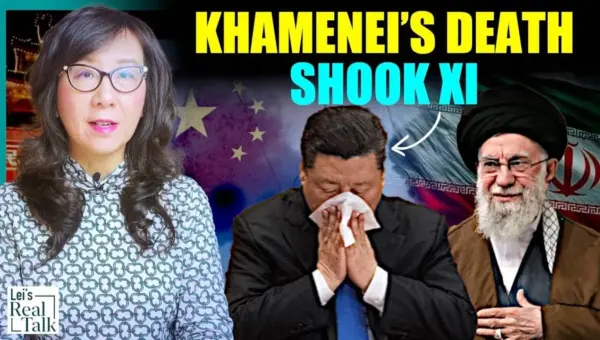
Iran Strike Ignites China’s Succession Fears
A precision strike in Iran has sent shockwaves to Beijing, exposing deep-seated fears within the CCP about succession, internal trust, and regime stability. The leadership's unusual reactions suggest a profound impact on China's strategic calculations.

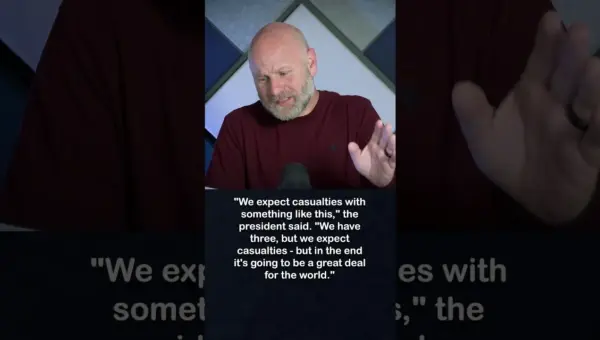
Trump’s ‘Bargaining Chip’ Remark Sparks Outrage Among Service Members
Donald Trump's recent remarks on US casualties in Iran have sparked outrage, with critics accusing him of viewing service members' lives as mere "bargaining chips." The comments highlight a perceived transactional approach to foreign policy that clashes with traditional expectations of respect for military sacrifice.


Greene: Trump’s Third Term Bid Isn’t a Joke
Marjorie Taylor Greene believes Donald Trump's discussions about a third presidential term are serious, not a joke. She questions his motivations and mental state, suggesting his aspirations may not align with the American people's interests.