Mercedes’ Baby G-Wagen: Electric, Hybrid, or Just a Wannabe?
Mercedes-Benz is reportedly working on a 'baby' G-Wagen, with potential electric, hybrid, and gasoline powertrains. While promising huge sales, concerns linger about brand dilution and whether the smaller SUV can capture the iconic G-Wagen's spirit or will be seen as a mere imitation.


Mercedes-Benz Teases Baby G-Wagen: Will It Capture the Magic or Dilute the Legend?
The iconic Mercedes-Benz G-Wagen, a symbol of rugged luxury and off-road prowess, might be getting a smaller, more accessible sibling. While official details remain scarce, strong rumors and industry speculation point towards the arrival of a ‘baby’ G-Wagen. However, the crucial question remains: will this scaled-down icon capture the same spirit, or will it be perceived as a diluted imitation? Furthermore, the powertrain strategy is evolving, with initial whispers of an electric-only model now expanding to include hybrid and potentially even traditional gasoline options, sparking debate among enthusiasts.
Powertrain Quandary: EV, Hybrid, or Gas?
For a significant period, Mercedes-Benz strongly hinted that the baby G-Wagen would exclusively feature electric propulsion under its EQ sub-brand. This seemed a logical, forward-thinking approach for a vehicle aiming to capture a new generation of buyers. However, recent developments suggest a more varied lineup. Word on the street is that alongside a fully electric version, Mercedes-Benz is also considering a plug-in hybrid variant, and perhaps even a more conventional hybrid or gasoline-powered model. This strategic flexibility, while potentially broadening market appeal, also raises concerns about brand dilution and whether the core G-Wagen DNA can be maintained across such diverse powertrains.
The ‘Weenie Car’ Fear: Will It Be Taken Seriously?
The most significant apprehension surrounding the baby G-Wagen isn’t its size or its eventual powertrain, but its perceived social standing. Automotive commentators have voiced concerns that the smaller G-Wagen might struggle to command the same respect as its larger, more imposing counterpart. Comparisons are drawn to the perceived hierarchy of other luxury SUVs. For instance, the gulf between a full-size Range Rover and a Range Rover Sport is often seen as significant. The fear is that the baby G-Wagen could fall into a similar category, becoming a vehicle for those who desire the *look* of a G-Wagen without the inherent gravitas or capability of the original.
One analogy used paints a vivid picture: imagine seeing a full-size Range Rover pull up next to you. There’s an undeniable presence. Now, imagine a smaller, less imposing SUV. The sentiment might shift from admiration to indifference, or even a subtle condescension. The concern is that the baby G-Wagen could be perceived as a ‘weenie car’ – a vehicle lacking the ‘baller’ status of a Mustang GT or the rugged authenticity of a Ford Bronco, instead appealing to a more niche, perhaps less discerning, demographic. This sentiment is amplified when considering the potential for ‘baby’ versions of iconic vehicles, which historically have sometimes struggled to replicate the success and cultural impact of their larger progenitors.
Target Audience: The Aspiring G-Wagen Owner?
Mercedes-Benz likely envisions the baby G-Wagen appealing to a younger demographic, perhaps urban dwellers or those seeking a stylish, premium compact SUV with a hint of ruggedness. The transcript specifically points to a scenario: “If you are finishing your senior year at a sorority and the down south, you got your first job in PR. Like, this is going to be the ultimate vehicle.” This suggests a target buyer who values brand prestige, fashionable design, and a vehicle that makes a statement, even if it’s not intended for extreme off-roading. It’s for the aspirational buyer who wants the G-Wagen aesthetic in a more manageable and potentially more affordable package.
Business Acumen vs. Brand Integrity
From a purely business perspective, the baby G-Wagen makes immense sense for Mercedes-Benz. Expanding their SUV portfolio with a more compact, potentially more affordable model is a strategic move to capture a larger share of the lucrative premium SUV market. The demand for such vehicles is undeniable, and a ‘baby’ G-Wagen, regardless of its perceived status, is almost guaranteed to sell in significant numbers. As one commentator put it, “From a business point of view, it’s going to be awesome. From Mercedes-Benz, it’s going to be awesome.”
However, this pursuit of volume raises questions about brand dilution. Every time a legendary nameplate is scaled down or diversified across multiple, potentially less ‘pure’ powertrain options, there’s a risk of diminishing the aura of the original. The G-Wagen’s mystique is built on decades of G-force-inducing performance, unwavering capability, and a distinct, uncompromising design. The challenge for Mercedes-Benz will be to imbue the baby G-Wagen with enough of that magic to satisfy purists and new buyers alike, without sacrificing the very qualities that make the G-Wagen an icon.
What to Expect (and Hope For)
While official specifications are yet to be released, we can anticipate a range of powertrains. The fully electric variant will likely offer competitive range and performance figures typical of modern premium EVs. The hybrid and gasoline versions will need to strike a balance between efficiency and the characteristic G-Wagen’s robust feel. Pricing is also a significant unknown, but it’s expected to sit considerably below the current G-Wagen’s starting price, which hovers around $140,000. The baby G-Wagen could potentially slot into the $60,000-$80,000 range, making it more accessible but still firmly in premium territory. Competitors would likely include models like the Land Rover Defender 90, the upcoming compact SUVs from luxury brands, and potentially even higher trims of mainstream SUVs offering significant luxury and design flair.
Verdict: A Calculated Risk
The arrival of a baby G-Wagen is a calculated risk for Mercedes-Benz. It promises significant sales volume and market penetration but also carries the potential to dilute the brand’s most iconic SUV. Whether it becomes a runaway success or a nostalgic footnote will depend heavily on Mercedes-Benz’s ability to translate the G-Wagen’s unique character into a smaller, more diverse package. The initial apprehension about it being a ‘weenie car’ is valid, but if Mercedes-Benz can nail the design, engineering, and brand messaging, the baby G-Wagen could carve out its own successful niche, appealing to a new generation of adventurers and style-conscious buyers, even if it never quite matches the imposing presence of its legendary parent.
Source: Is there a baby G-Wagen coming? (YouTube)

Related Articles


Polestar 3 Lease Deal: A Bargain Hunter’s Electric SUV Dream
A grad student leased a Polestar 3 demo model for an astonishing $572 per month, thanks to a confluence of aggressive manufacturer and dealer incentives, including a $20,000 manufacturer discount and a $5,600 credit for its 5,500 miles. This deal positions the Polestar 3 as an incredible value proposition in the luxury EV SUV market.

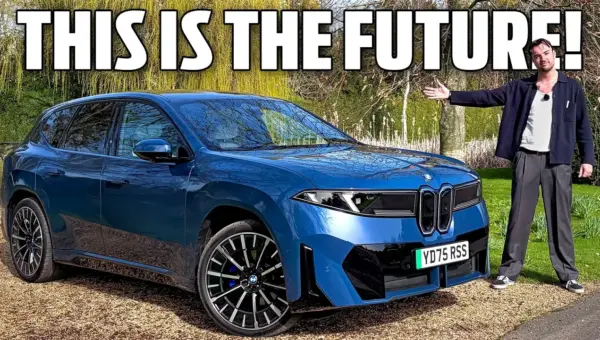
BMW iX3 Rewrites the Rules of Automotive Tech
The new BMW iX3 redefines automotive technology with its 'Shy Tech' philosophy, seamlessly integrating advanced features without overwhelming the driver. Boasting an impressive 500-mile range and a competitive price, it offers a glimpse into the future of intuitive and engaging car design.

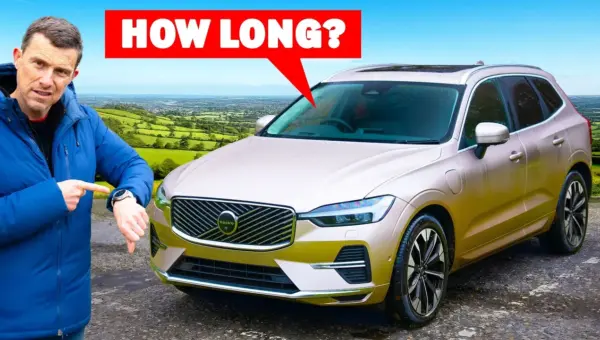
Volvo XC60 Refuses to Age: Still a Family SUV King?
The Volvo XC60 receives subtle yet significant updates, proving its enduring appeal in the premium SUV market. With an upgraded interior, refined performance, and a focus on safety, it remains a compelling choice for families.