Meningitis Outbreak: Why It’s Different from COVID-19
Health officials are investigating a meningitis outbreak in Kent, with experts stressing it is very different from COVID-19 due to its specific transmission methods. While antibiotics offer immediate protection, a gap in routine vaccination for teenagers and young adults highlights ongoing concerns.

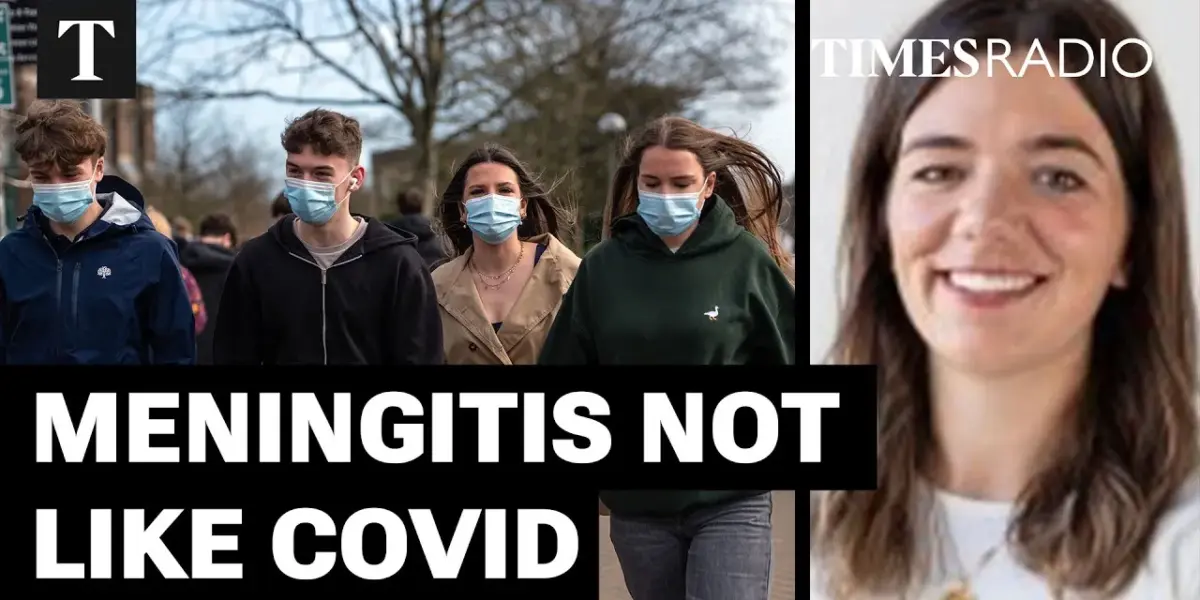
Kent Meningitis Cases Spark Public Concern
Health officials in Kent are investigating 20 potential cases of meningitis, with five confirmed cases already identified. Six of these confirmed cases are the dangerous meningitis B strain. The outbreak has understandably caused worry, especially given recent memories of the COVID-19 pandemic. However, health experts emphasize that this meningitis situation is very different from COVID-19 and poses a low risk to the general public.
Understanding Meningitis Spread
Meningitis is a serious infection that inflames the membranes surrounding the brain and spinal cord. It is primarily spread through close, prolonged contact, often involving saliva. This means it’s not easily caught like COVID-19, where being in the same room or on the same train can lead to transmission.
Eleanor Hayward, Health Editor for The Times, explained the specific conditions that can aid meningitis spread. “A nightclub’s kind of a perfect environment in a way for something like meningitis,” she said. Sharing vapes, drinks, and kissing are identified as key factors. These activities allow the bacteria, which are carried in the throat, to pass between people.
Expert Advice: Antibiotics and Vaccines
In response to the outbreak, health officials are urging students who may have been at a specific nightclub to get tested and receive antibiotics. These antibiotics work quickly, reducing the risk of illness by 90% almost immediately. They are the first line of defense for those who may have been exposed.
A targeted vaccine program is also being launched. While antibiotics offer immediate protection, vaccines act as a longer-term measure. It takes a few days for the vaccine to become effective. The aim is to protect students from future outbreaks if the bacteria continues to spread.
Differentiating Outbreak Language
The language used to describe the outbreak, such as “unprecedented” and “super spreader,” has understandably drawn comparisons to the COVID-19 pandemic. However, experts stress that the scale and transmission methods are vastly different. “Just because it is a super spreader event, that doesn’t mean that it’s a COVID level thing where thousands of people are going to be affected,” Hayward stated.
While the current situation is described as unprecedented by doctors who haven’t seen such an outbreak in their careers, the risk to the wider public remains low. The focus is on specific groups with close contact, not general community spread.
The Meningitis B Vaccine Gap
Dr. Tom Nutt, Chief Executive of Meningitis Now, highlighted a critical issue: a gap in the UK’s vaccination schedule. While babies are vaccinated against meningitis B, teenagers and young adults are not routinely protected. This leaves a vulnerable group susceptible to the disease, especially given their social behaviors.
“Teenagers and young adults are the second most at risk group within the population,” Dr. Nutt explained. He pointed out that anyone over the age of 10 likely missed the initial NHS vaccination program introduced in 2015. This could be addressed through school-based programs or other initiatives to offer protection during these high-risk years.
Understanding Vaccine Duration
The effectiveness and duration of the meningitis vaccines are also important considerations. While protection is significant, it is not lifelong. Protection from the meningitis B vaccine is thought to last around three to six years. This means that individuals might become vulnerable again as they enter their teenage years.
Dr. Nutt discussed the possibility of booster shots for those who were vaccinated as babies but whose protection may have waned. The challenge for public health systems is balancing the cost of widespread vaccination programs against the relatively low incidence of the disease in the general population. However, saving even one life is seen as a crucial outcome.
Looking Ahead
As the situation in Kent develops, health authorities will continue to monitor cases and provide guidance. The focus remains on targeted interventions for those most at risk. Discussions are likely to continue regarding strategies to address the vaccination gap for teenagers and young adults, ensuring better long-term protection against meningitis B.
Source: Meningitis Outbreak ‘Very Different’ To Covid | Eleanor Hayward (YouTube)

Related Articles


New COVID Variant Fuels Health Concerns Amid Allergy Season
A new, more contagious COVID-19 variant from the Omicron family is spreading across the U.S., detected in wastewater and potentially evading vaccines. The timing complicates symptom identification as allergy season begins, with experts advising symptom duration and accompanying fever as key differentiators.


Vaccine Hesitancy: A Doctor’s Warning on Health Risks
A doctor warns that jokes about science and vaccines can have dangerous real-world health consequences. The rise of misinformation is linked to outbreaks of preventable diseases like measles and the rejection of essential newborn care.


Ex-CDC Official Slams ‘Hijacked’ Agency, Demands Science-Driven Leader
A former CDC official has described the agency as "hijacked," criticizing political interference and a lack of transparency. He calls for a new leader with deep public health experience who will prioritize science. The agency's future hinges on restoring trust and scientific integrity.